Cape Coast Ghana is a lively seaside town with a deeply moving history. Colorful fishing canoes crowd its beaches, and music drifts from the streets in the evening. However, above the waves stands a massive white castle that was once a center of the Atlantic slave trade. In fact, many visitors come here to remember, reflect and learn. Meanwhile, the surrounding region offers rainforest walks, fishing villages and beautiful beaches. So, here is how to plan a meaningful visit.
Quick Facts About Cape Coast Ghana
| Country | Ghana |
| Region | Central Region, on the Gulf of Guinea |
| Known For | Cape Coast Castle, the history of the Atlantic slave trade, fishing harbors and nearby rainforest |
| UNESCO Status | Cape Coast Castle is part of the Forts and Castles of Ghana UNESCO World Heritage Site, listed in 1979 |
| History | A major trading post from the 1600s and capital of the British Gold Coast until 1877 |
| Best Time to Visit | November to March, the dry season |
| Getting There | About three hours by road from Accra |
Where Is Cape Coast Ghana?
Cape Coast lies on Ghana’s Atlantic coast, about 145 kilometers west of the capital, Accra. Specifically, it is the capital of the Central Region. In addition, the town of Elmina, with its own historic castle, is only about 15 kilometers further west. As a result, many travelers visit both in one trip.
Why Visit Cape Coast Ghana?
First, the town holds an important place in world history. For centuries, European powers traded gold, goods and enslaved people along this coast. Consequently, Cape Coast Castle is now a powerful memorial and museum, and it is part of a UNESCO World Heritage Site.
Second, Cape Coast Ghana is a welcoming and vibrant town. For example, it is home to some of Ghana’s best schools and a large university. Finally, the nearby rainforest and beaches make it easy to balance history with nature. If you are interested in other places with layered histories, read our guide to Lalibela in Ethiopia.
Things to Do in Cape Coast Ghana
Visit Cape Coast Castle
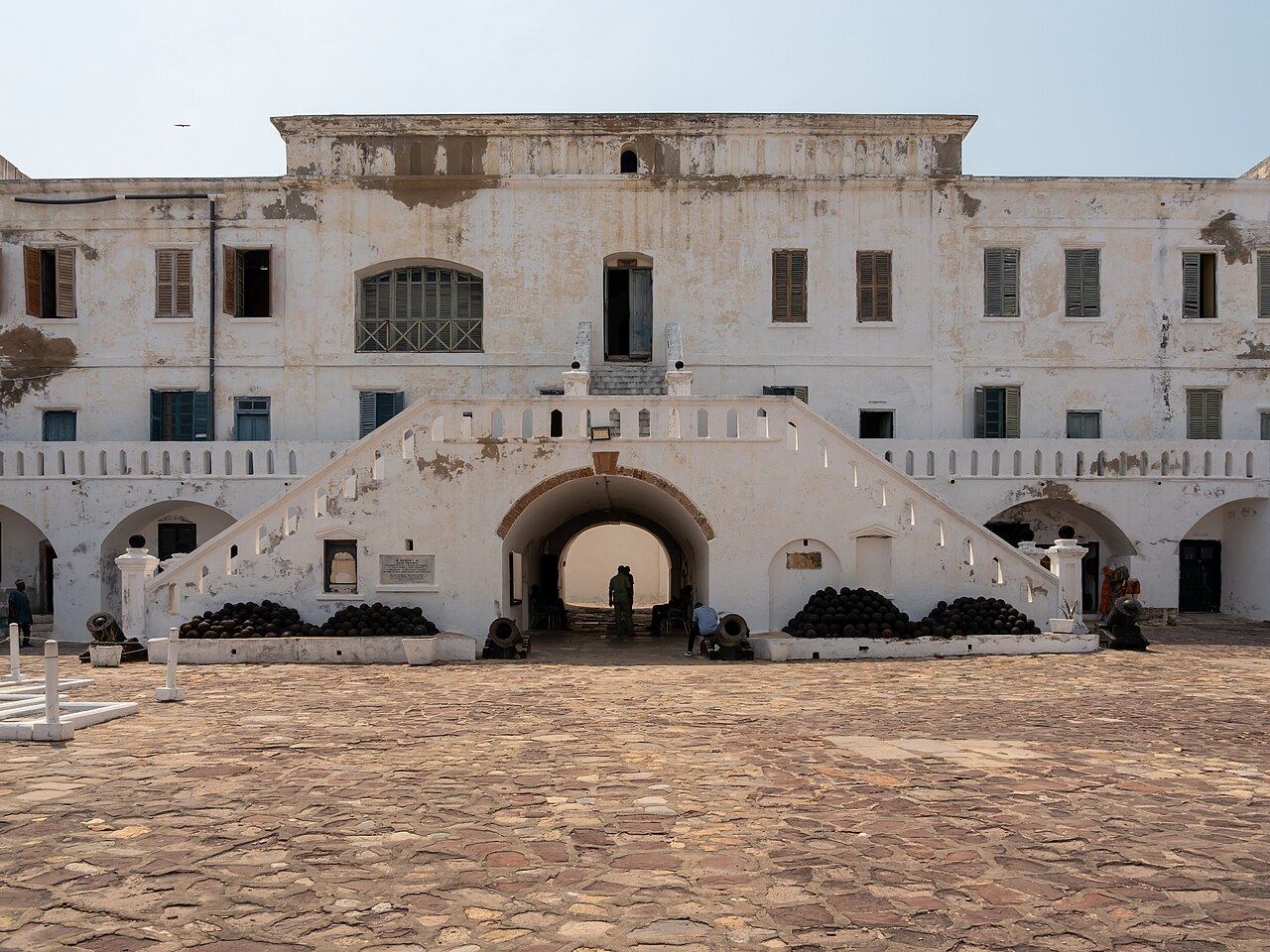
Cape Coast Castle began as a Swedish trading lodge in the 1650s. Later, the British expanded it and made it their headquarters on the Gold Coast. Today, guided tours take you through the dark dungeons where enslaved Africans were held before being shipped across the Atlantic. Above all, the tour ends at the “Door of No Return”, a deeply emotional moment for many visitors. Therefore, allow plenty of time, and visit with respect.
Explore the Museum
Inside the castle, the West African Historical Museum covers the history of the region, the slave trade and its legacy. In addition, displays explore the cultures of the Gold Coast and the diaspora. Similarly, many visitors from the Americas come here to connect with their ancestral history.
Walk the Fishing Harbor and Town
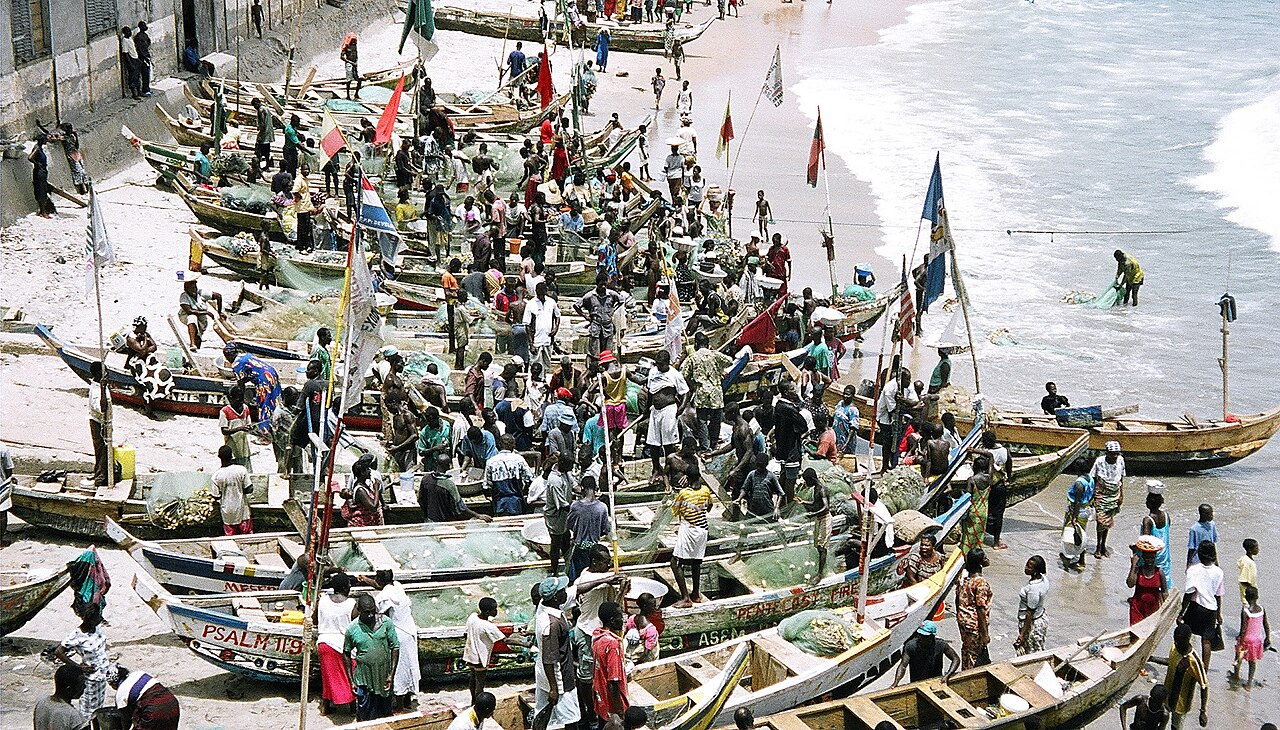
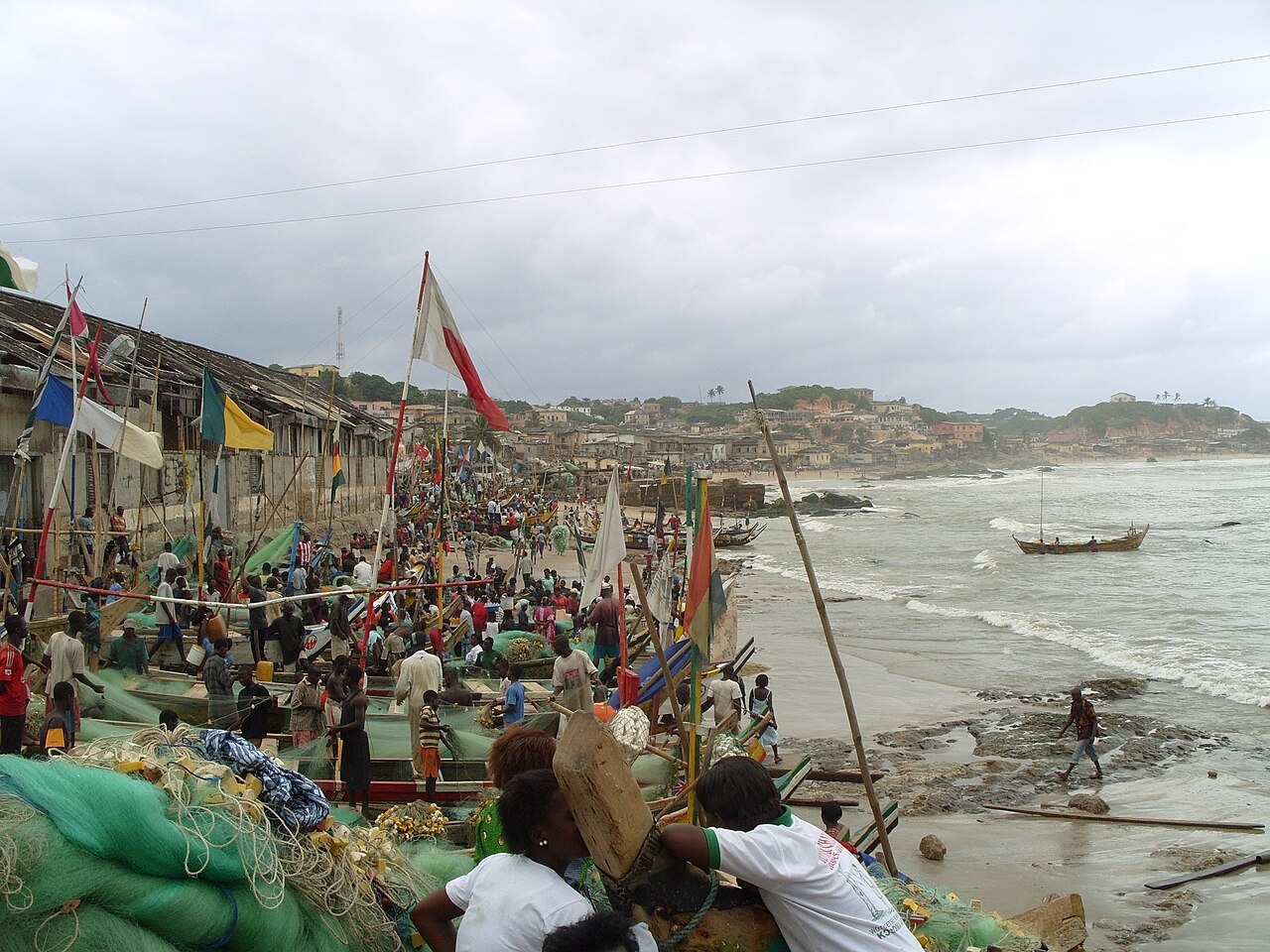
After the castle, walk along the beach, where fishermen launch and land their painted canoes. In particular, the boats are decorated with slogans, flags and bright colors. Then, explore the hilly streets, where old colonial buildings stand beside busy markets.
Also, climb up to Fort William, an old lighthouse on a hill, for views over the town and the ocean.
Experience Fetu Afahye
If you visit in early September, you may catch Fetu Afahye, the town’s main festival. During the celebrations, chiefs parade through the streets in colorful regalia, accompanied by drums and dancers. Moreover, the festival is a vibrant celebration of local culture and history.
Day Trips From Cape Coast Ghana
Elmina Castle
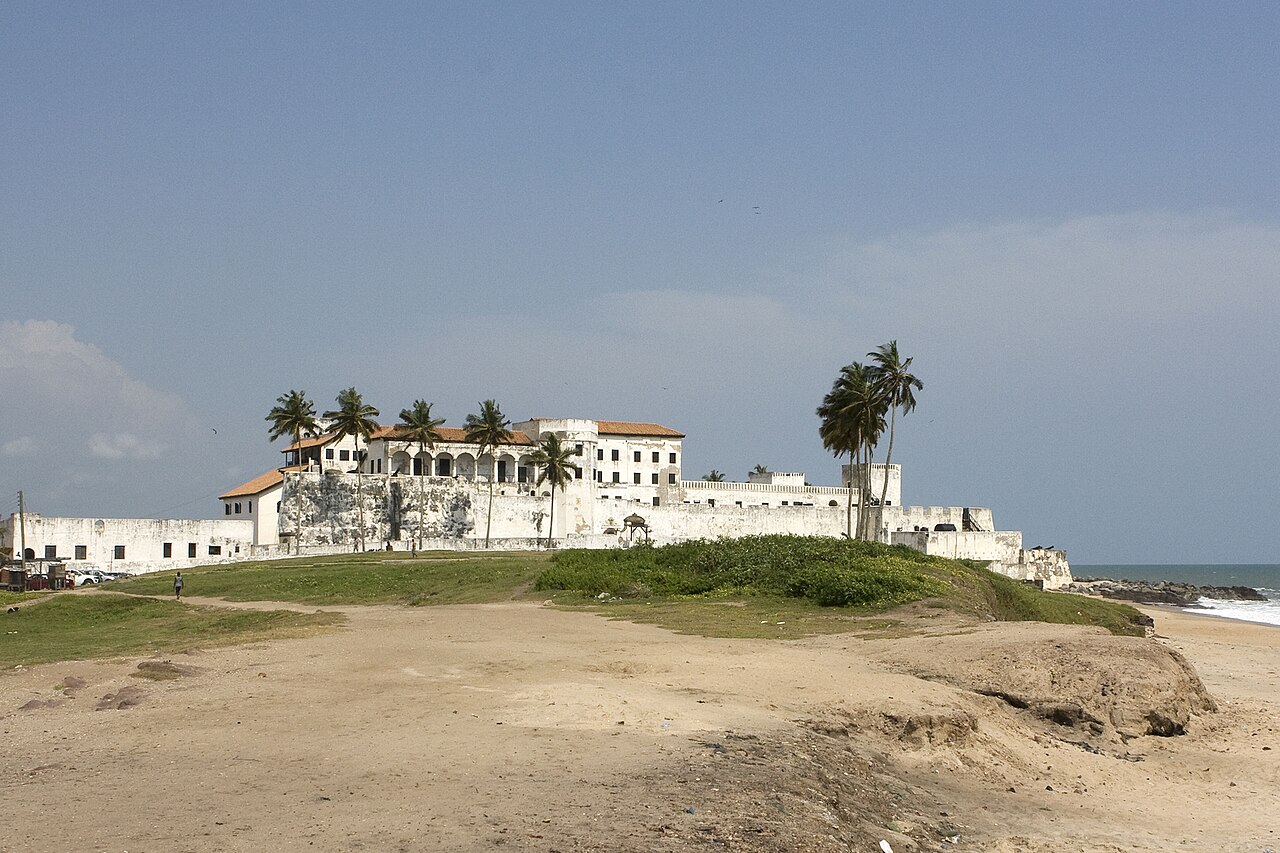
Elmina Castle was built by the Portuguese in 1482, which makes it one of the oldest European buildings in sub-Saharan Africa. Later, the Dutch captured it in 1637. Today, it offers a similar tour to Cape Coast Castle. In addition, the busy fishing harbor of Elmina below the castle is fascinating to watch.
Kakum National Park
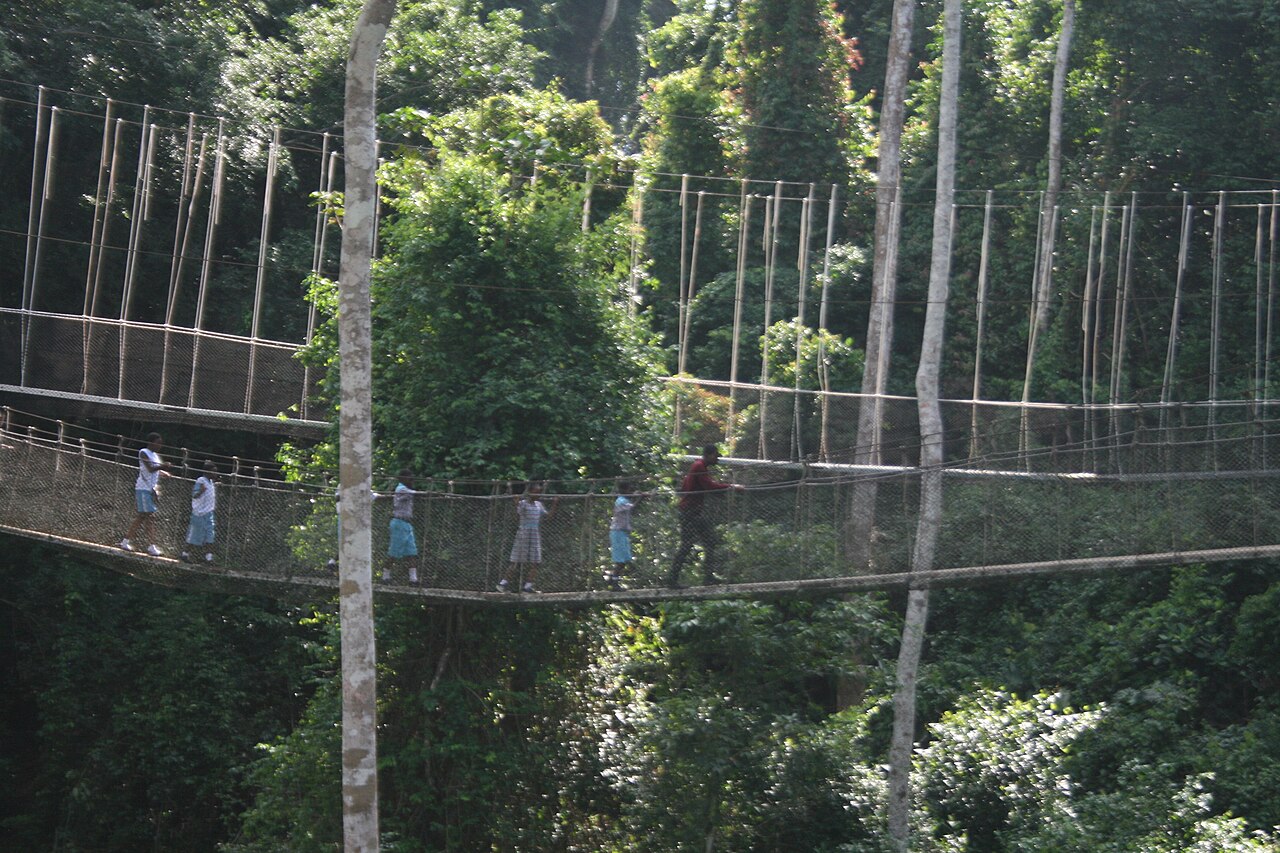
Kakum National Park protects a large area of tropical rainforest about 30 kilometers north of town. Its famous canopy walkway, a series of rope bridges, hangs high above the forest floor. Therefore, it offers a thrilling way to see the treetops, birds and butterflies.
One Historical Fact About Cape Coast Ghana
Cape Coast was the capital of the British Gold Coast colony until 1877, when the capital moved to Accra. In fact, many of the country’s oldest schools were founded here during that period. As a result, the town is still known as an important center of education in Ghana.
How to Get to Cape Coast Ghana
First, fly into Kotoka International Airport in Accra. From there, buses and shared minibuses reach Cape Coast in about three hours. Alternatively, you can hire a private driver, which makes it easier to stop at Elmina and Kakum. Once in town, taxis are cheap and easy to find.
Best Time to Visit Cape Coast Ghana
The best time to visit is during the dry season, from November to March. During these months, the weather is hot but less humid. On the other hand, the main rainy season runs from April to June, with a shorter one in September and October. Also, the dusty Harmattan winds can bring hazy skies between December and February.
Is Cape Coast Ghana Worth Visiting?
Yes, without a doubt. Cape Coast Ghana is one of the most important heritage destinations in Africa, and its people are warm and welcoming. Ideally, spend two or three nights to visit both castles and the rainforest. For another historic coastal town, see our guide to Essaouira in Morocco.
Final Thoughts on Cape Coast Ghana
In short, Cape Coast is a place that stays with you long after you leave. Take the castle tour, watch the canoes come home and walk among the treetops at Kakum. By the end of your visit, you will have a deeper understanding of history and a real fondness for this coastal town.
Image Credits
Wikimedia Commons
- Matti Blume: Castle, Cape Coast (P1100223), CC BY-SA 4.0
- hiyori13: Fishing boats Cape Coast Ghana, CC BY-SA 2.0
- ZSM: Fishermen in Cape Coast 2, Ghana, CC BY-SA 3.0
- Damien Halleux Radermecker: Elmina Castle – Ghana, CC BY-SA 2.0
- daSupremo: Canopy walkway at Kakum National Park, CC BY-SA 4.0


