The Island of Mozambique is a tiny sliver of land with a giant history. For centuries, it was the capital of Portuguese East Africa, and the whole country takes its name from it. Today, crumbling colonial mansions, churches and mosques line quiet streets, while dhows sail across turquoise water. In fact, the island is only about three kilometers long, so you can walk it end to end in under an hour. Meanwhile, the atmosphere is relaxed and timeless. So, here is how to plan your visit.
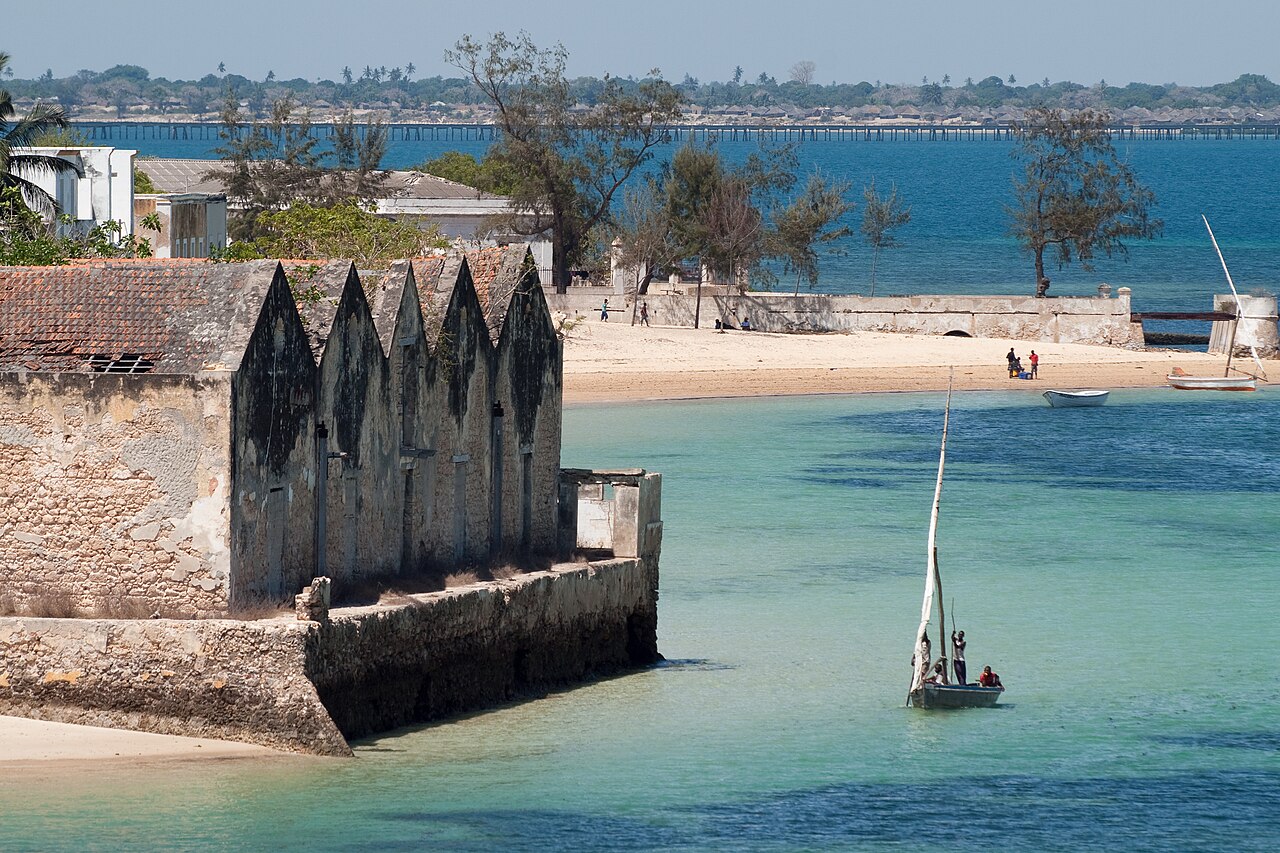
Quick Facts About Island of Mozambique
| Country | Mozambique |
| Region | Nampula Province, off the northern coast |
| Known For | Portuguese colonial buildings, Fort São Sebastião, Swahili culture and turquoise water |
| UNESCO Status | Island of Mozambique, UNESCO World Heritage Site since 1991 |
| History | Capital of Portuguese East Africa until 1898 |
| Best Time to Visit | May to November, the dry season |
| Getting There | Fly to Nampula, then drive about three hours and cross the bridge |
Where Is the Island of Mozambique?
The island lies just off the coast of northern Mozambique, in Nampula Province. Specifically, a narrow bridge about 3.5 kilometers long connects it to the mainland. In addition, the city of Nampula, with the nearest major airport, is about 180 kilometers inland. As a result, reaching the island takes some effort, but it keeps the crowds away.
Why Visit the Island of Mozambique?
First, the island is a living museum of the Indian Ocean trade. Arab, Swahili, Indian and Portuguese influences all left their mark. Consequently, UNESCO listed the Island of Mozambique as a World Heritage Site in 1991.
Second, it has a unique layout. The northern half is the Stone Town, with grand colonial buildings. By contrast, the southern half is Macuti Town, where most residents live in houses traditionally roofed with palm thatch. Finally, the surrounding sea is perfect for swimming, snorkeling and dhow trips. If you loved our guide to Paraty in Brazil, you will enjoy this other Portuguese colonial town by the sea.
Things to Do on the Island of Mozambique
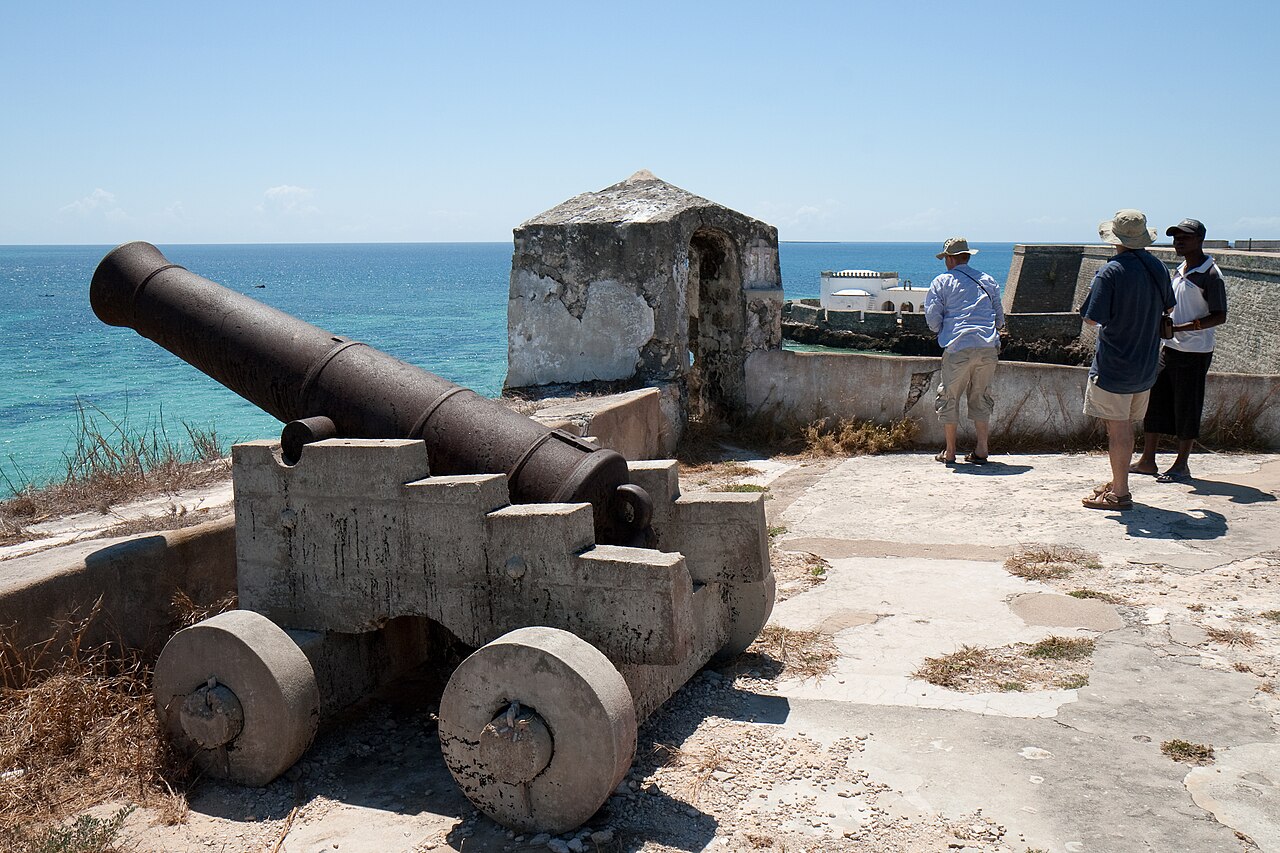
Explore Fort São Sebastião
Fort São Sebastião stands at the northern tip of the island. The Portuguese began building it in 1558, and it took decades to finish. Today, you can walk along its massive walls, see old cannons and look out over the ocean. Above all, the views from the ramparts are spectacular at sunset.
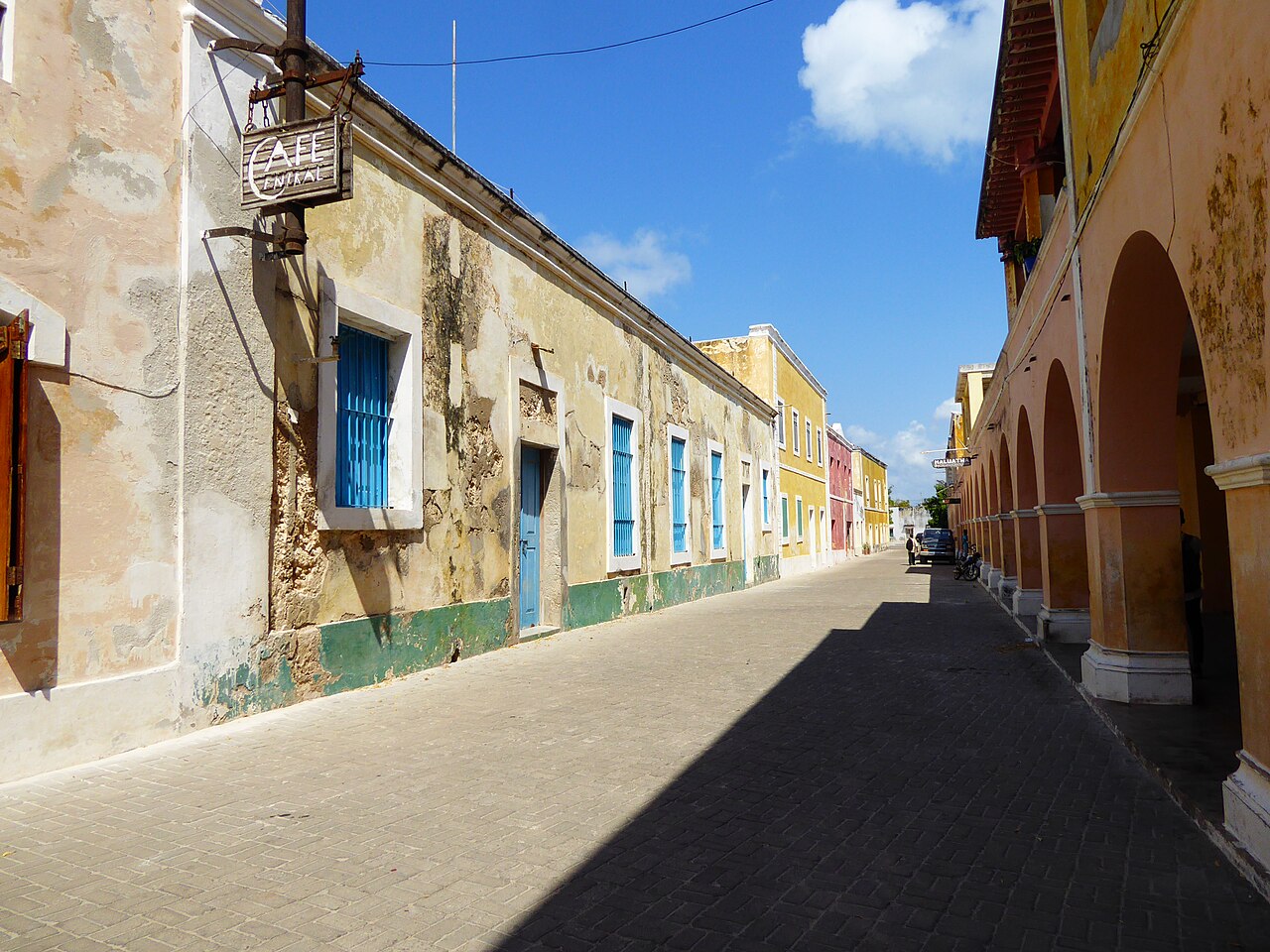
Wander the Stone Town
The Stone Town is full of colonial houses, warehouses and churches. Some have been beautifully restored, while others are slowly crumbling, which gives the streets a haunting beauty. In addition, many buildings now house small guesthouses, cafés and craft shops.
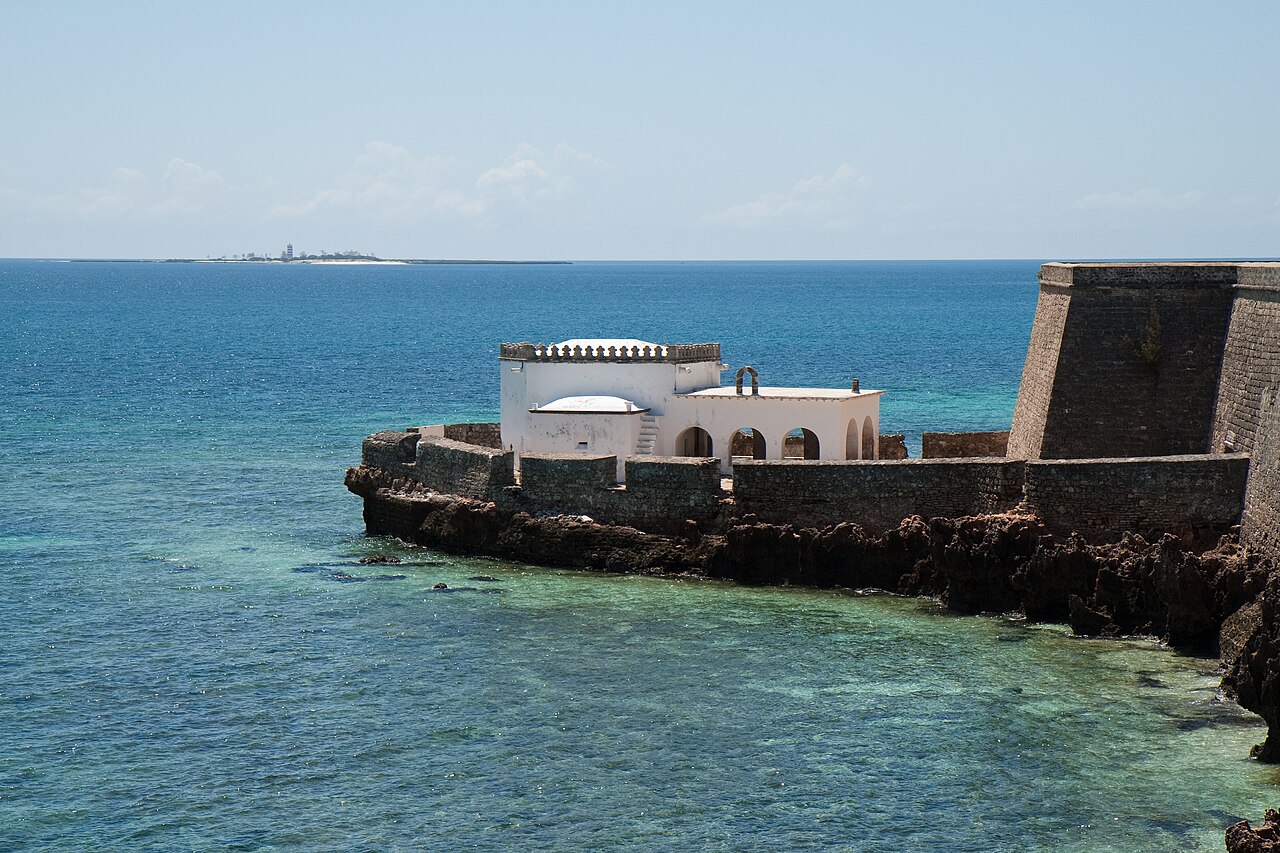
Visit the Chapel of Nossa Senhora do Baluarte
Next to the fort, this small chapel dates from 1522. In fact, it is often described as the oldest European building in the Southern Hemisphere. Its simple white walls and sea views make it a peaceful place to pause.
See the Palace and Chapel of São Paulo
The former governor’s palace is now a museum. Inside, you can see colonial furniture, Chinese porcelain and Indian carvings that reflect the island’s trading past. Similarly, the attached chapel has a beautifully carved altar.
Explore Macuti Town and the Mosques
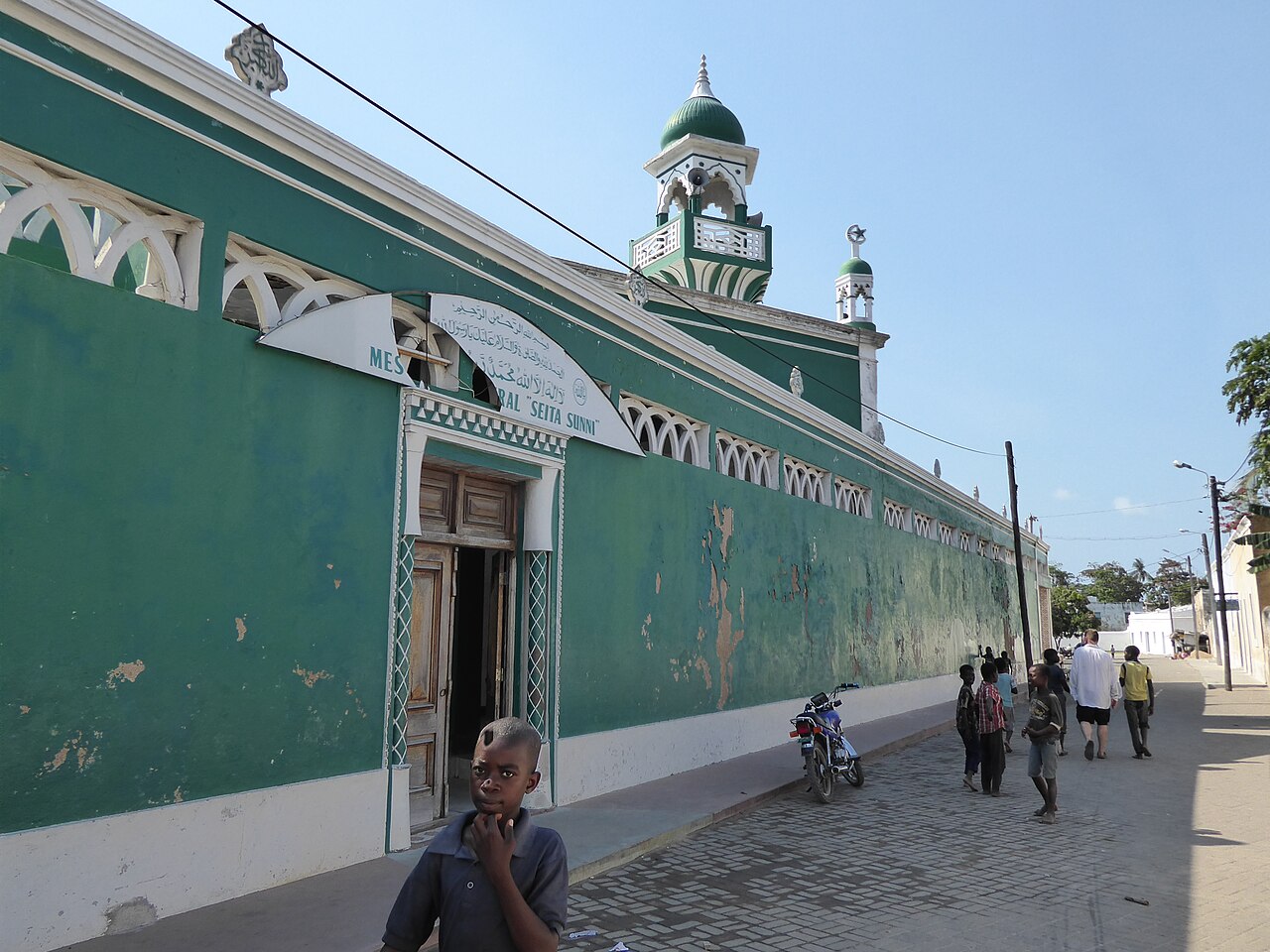
South of the Stone Town, Macuti Town is home to most of the island’s residents. Here, narrow lanes wind between small houses, and the atmosphere is friendly and lively. Furthermore, several mosques show the island’s long Islamic heritage, so dress modestly when you visit.
Day Trips From the Island of Mozambique
Chocas Mar and Cabaceira Pequena
Across the bay on the mainland, Chocas Mar has long, quiet beaches. Similarly, Cabaceira Pequena has historic ruins and a calm lagoon. Both are easy to reach by dhow, which makes the journey part of the fun.
Goa Island and Snorkeling
Small boats also visit Goa Island, a tiny island with an old lighthouse. In addition, local guides offer snorkeling trips over nearby reefs. Therefore, bring your own mask if you can.
One Historical Fact About the Island of Mozambique
Vasco da Gama stopped here in 1498 on his way to India. Soon after, the Portuguese made the island their main base in East Africa. In fact, it remained the colonial capital until 1898, when the capital moved south to what is now Maputo.
How to Get to the Island of Mozambique
First, fly into Nampula, which has domestic flights from Maputo and some regional connections. From there, the drive to the island takes about three hours by private transfer or minibus. Before you travel, check your government’s latest travel advice, since some advisories cover parts of northern Mozambique. Once you arrive, you can explore the island on foot.
Best Time to Visit the Island of Mozambique
The best time to visit is during the dry season, from May to November. During these months, the weather is warm and sunny, and the sea is calm. On the other hand, the rainy season from December to April brings heat, humidity and the risk of cyclones. Also, the island is mainly Muslim, so be respectful of local customs.
Is the Island of Mozambique Worth Visiting?
Yes, absolutely. The Island of Mozambique offers history, culture and beautiful sea views without the crowds. Ideally, stay at least three nights to explore at a slow pace. For another historic port town, read our guide to Essaouira in Morocco.
Final Thoughts on the Island of Mozambique
In short, this little island is one of Africa’s most remarkable hidden gems. Walk the walls of the fort, wander the faded streets and sail across the bay at sunset. By the end of your stay, you will understand why travelers find it so hard to leave.
Image Credits
Wikimedia Commons
- Stig Nygaard from Copenhagen, Denmark: Ilha de Mocambique, CC BY 2.0
- Stig Nygaard from Copenhagen, Denmark: São Sebastião Fortress – View, CC BY 2.0
- Jcornelius: Avenida Amílcar Cabral, Ilha de Moçambique, CC BY-SA 4.0
- Stig Nygaard from Copenhagen, Denmark: Chapel of Nossa Senhora de Baluarte, CC BY 2.0
- Cornelius Kibelka from Berlin, Germany: 23 Moschee auf der Ilha de Moçambique Mosque on Ilha de Moçambique (36259242923), CC BY-SA 2.0


