Hue Vietnam was the seat of the last royal dynasty of the country. Today, its walled Imperial City, grand tombs and riverside pagodas make it a must for history lovers. In addition, the food is some of the best in the region. So, this guide shows you what to see and how to plan your stay.
Quick Facts About Hue, Vietnam
| Country | Vietnam |
| Region | Thua Thien Hue, central Vietnam |
| Known For | The Imperial City, royal tombs, Thien Mu Pagoda and the Perfume River |
| UNESCO Status | UNESCO World Heritage Site, Complex of Hue Monuments, since 1993 |
| Founded | Capital of the Nguyen dynasty from 1802 to 1945 |
| Best Time to Visit | February to April |
| Getting There | Fly to Phu Bai Airport or take the train along the coast |
| Time Needed | Two to three days |
| Continent | Asia |
Where Is Hue?
Hue lies in central Vietnam, close to the coast. The Perfume River flows through the city on its way to the sea. Da Nang is about two to three hours south by road or train. Meanwhile, Hoi An sits just beyond Da Nang, so many travelers visit all three on one trip.
Why Visit Hue?
First, Hue holds a whole royal city behind its walls. Next, the emperors built elaborate tombs in the green hills outside town. Also, Buddhist pagodas and quiet gardens add calm between the big sights. However, Hue is more relaxed than Hanoi or Ho Chi Minh City. As a result, it is easy to explore by bicycle or cyclo.
Things to Do in Hue
Explore the Imperial City
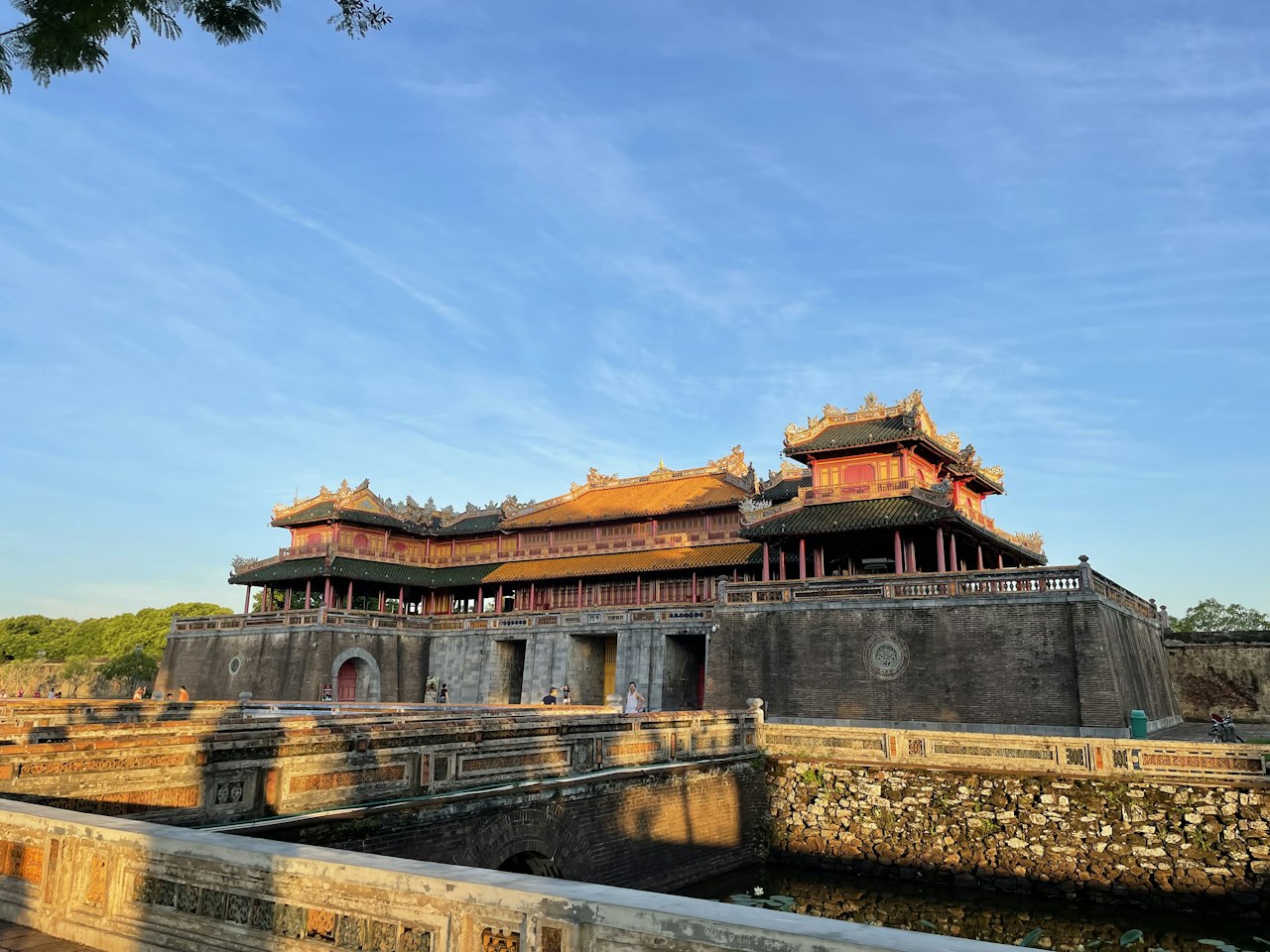
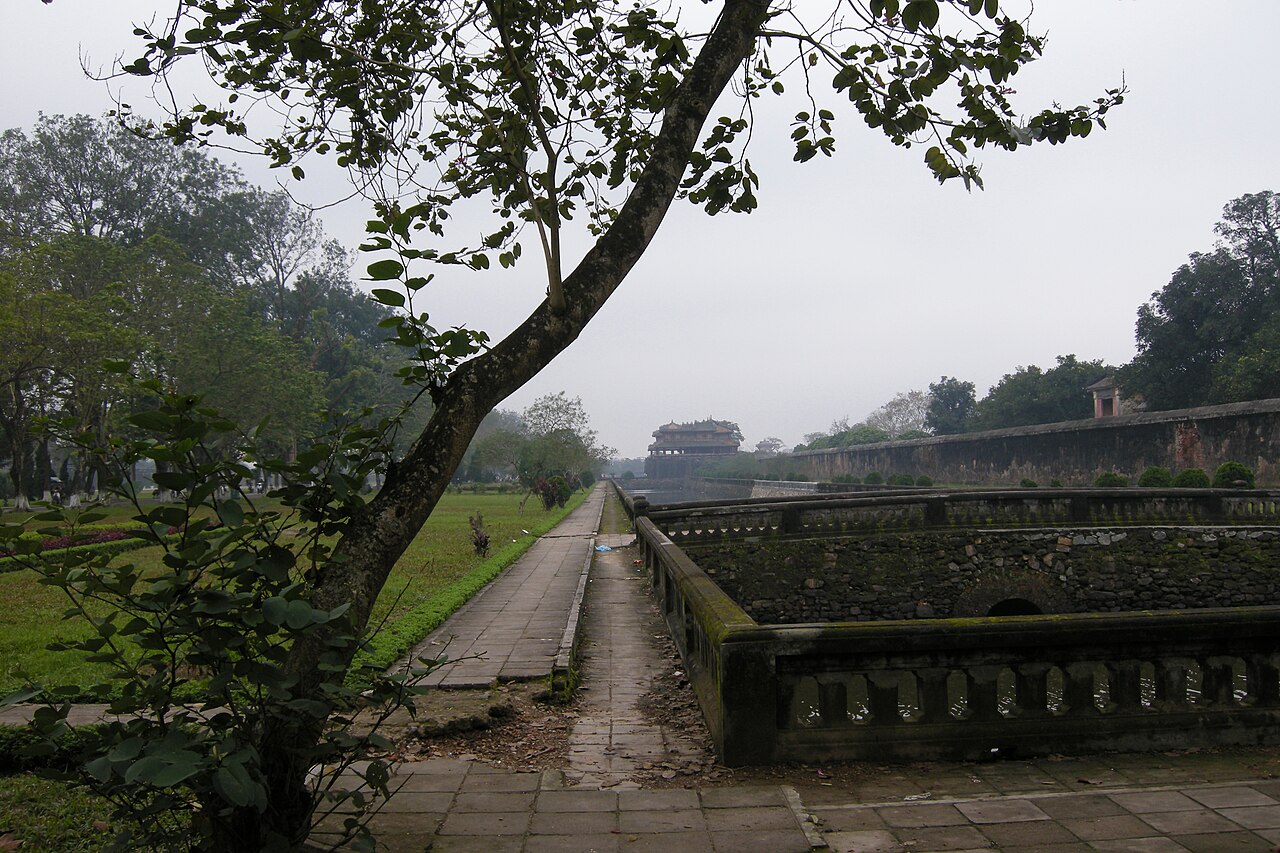
The Imperial City sits inside a large citadel on the north bank of the river. Enter through the Ngo Mon Gate. Then walk past the Thai Hoa Palace, the halls, the courtyards and the restored corridors. Much was damaged in war. Still, careful restoration has brought many buildings back to life.
Visit Thien Mu Pagoda
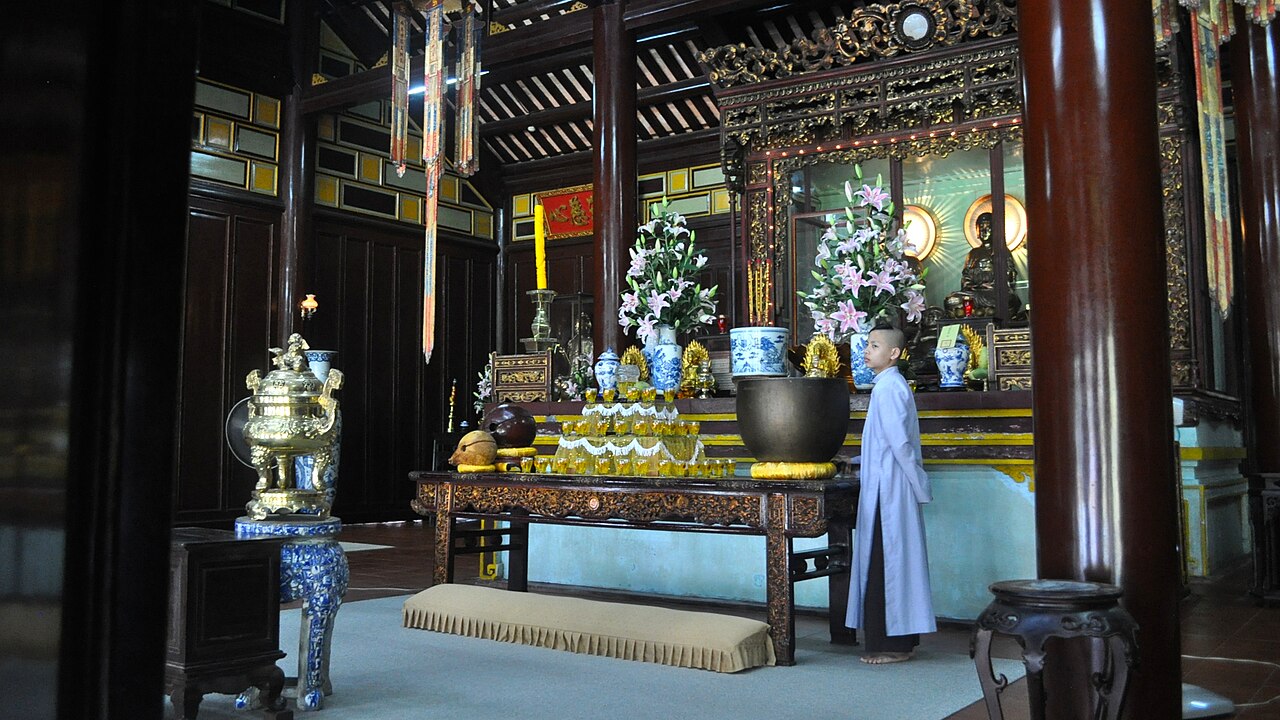
Thien Mu Pagoda stands on a hill above the Perfume River. Its seven-story tower is a symbol of the city. In addition, the gardens and monks’ quarters are peaceful in the early morning.
Tour the Royal Tombs
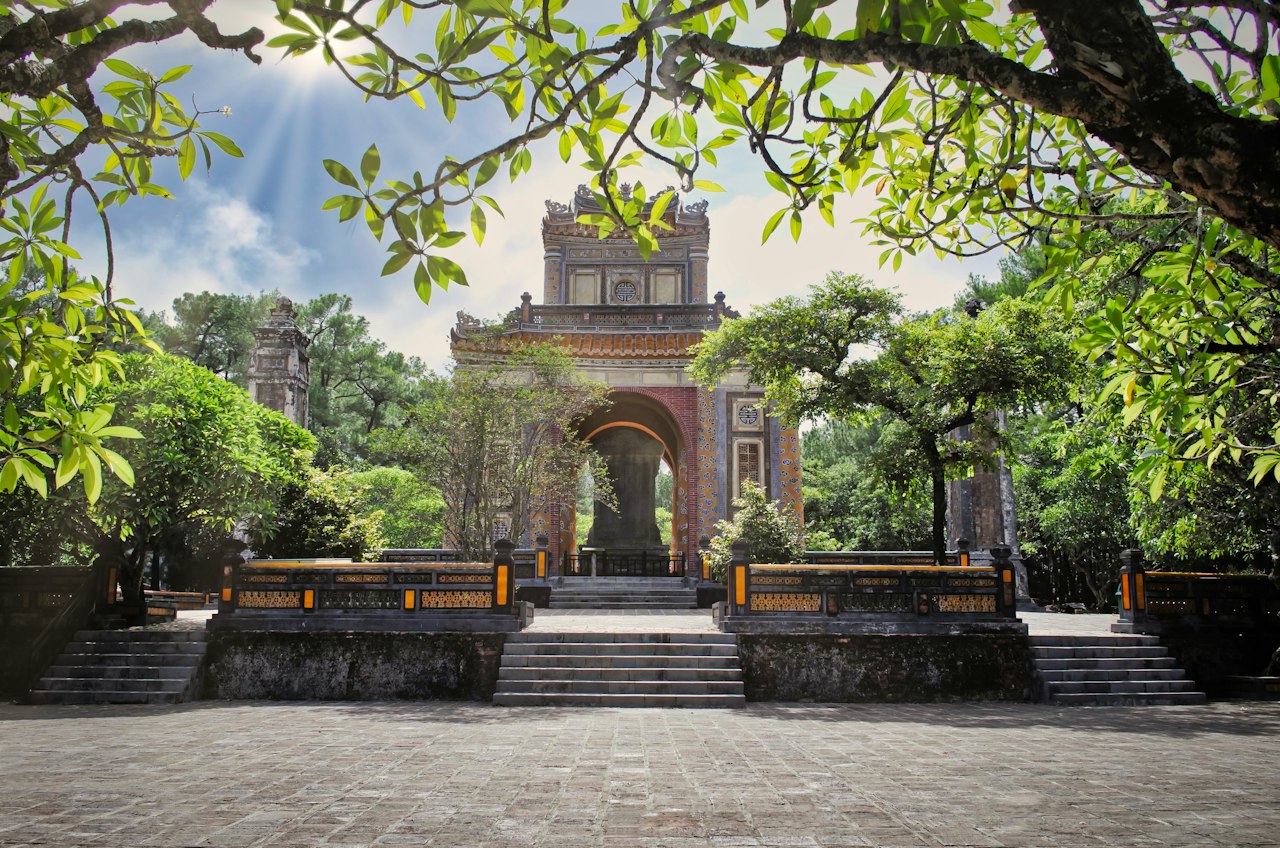
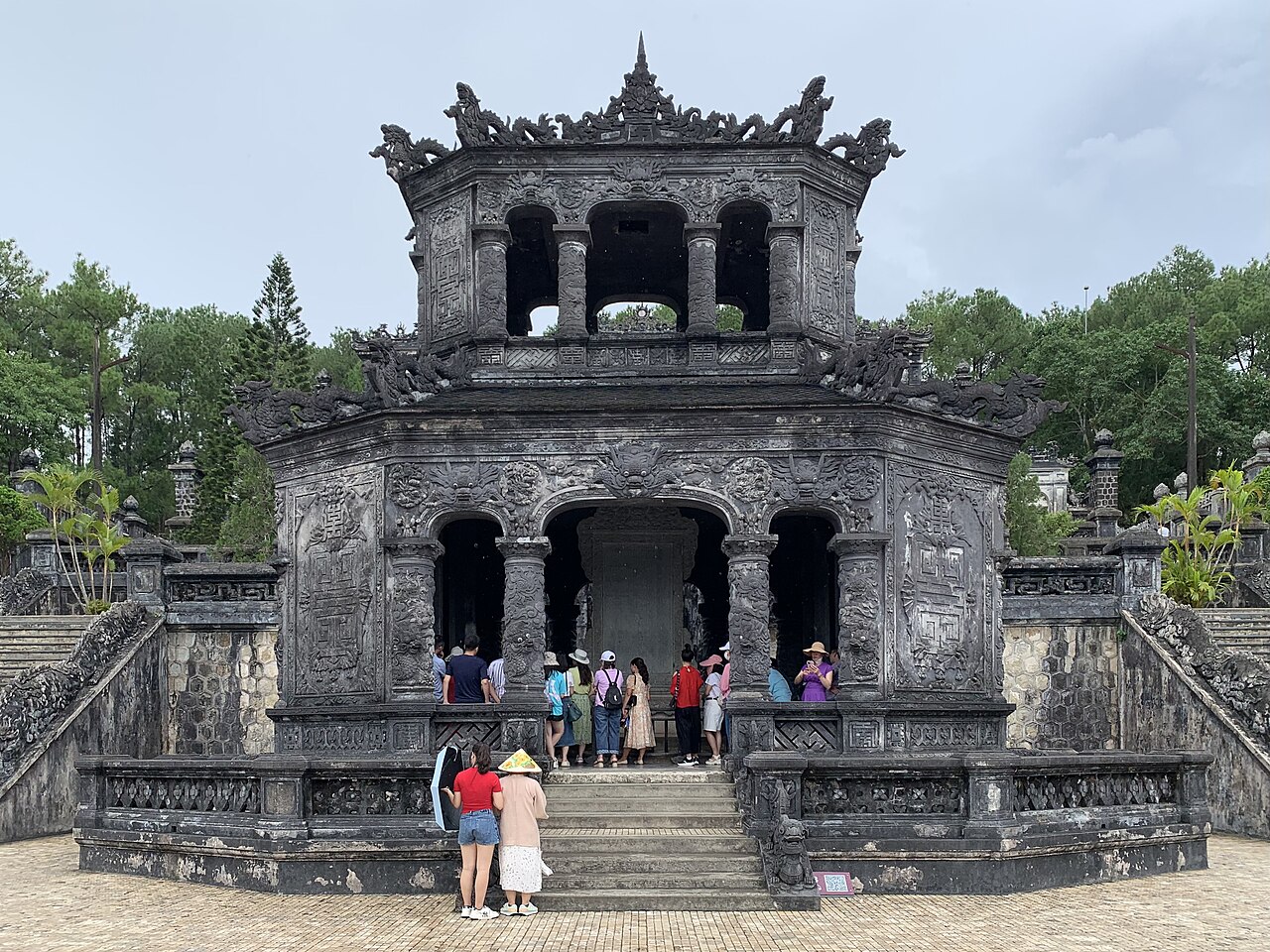
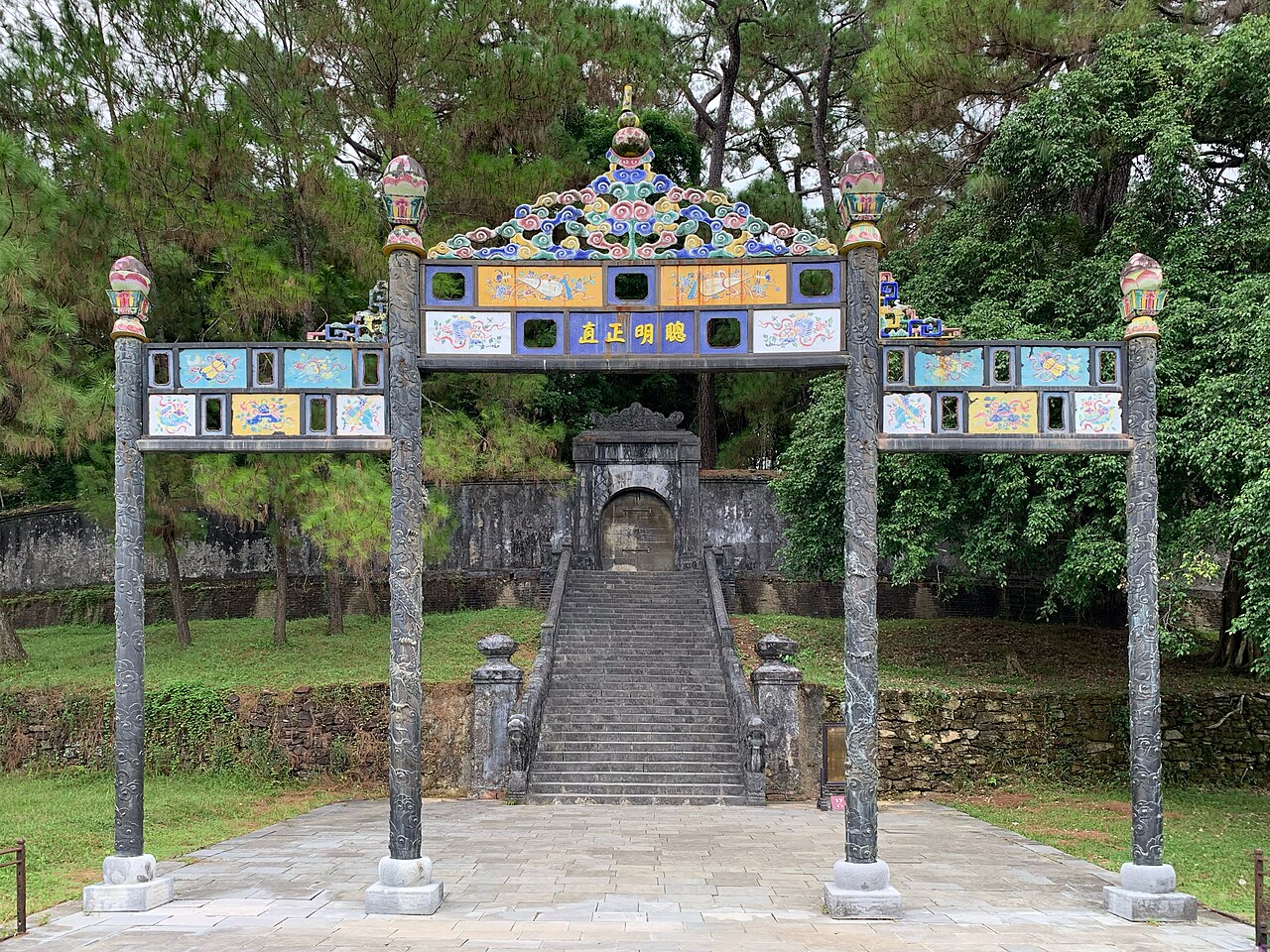
The Nguyen emperors planned their tombs with great care. The Tomb of Minh Mang feels calm and balanced, with lakes and pavilions. In contrast, the Tomb of Khai Dinh mixes Asian and European styles and glitters with glass mosaics inside. Likewise, the Tomb of Tu Duc has a lake, pine trees and a poet’s mood.
Cruise the Perfume River
A dragon boat ride is a simple way to see the riverbanks. Many boats stop at Thien Mu Pagoda. So, you can combine both in one afternoon.
Taste Royal and Street Food
Hue is famous for bun bo Hue, a spicy beef noodle soup. Also try banh khoai, a crispy pancake, and small steamed rice cakes. Many dishes began in the royal kitchens.
Tips for your visit:
- Buy a combined ticket if you plan to see the Imperial City and several tombs.
- Hire a bicycle or a driver for the tombs, since they are spread out.
- Dress modestly at pagodas and carry water on hot days.
- Visit the Imperial City in the late afternoon for softer light.
Day Trips From Hue
The Hai Van Pass offers sweeping coastal views on the road to Da Nang. Meanwhile, Thuan An Beach is a short ride east of the city. History buffs can also join tours to the former Demilitarized Zone, north of Hue. Finally, Hoi An makes an easy next stop by road.
One Historical Fact About Hue
Hue was the capital of Vietnam from 1802 to 1945. Then the last emperor, Bao Dai, gave up the throne at the Ngo Mon Gate in 1945. That moment ended more than a thousand years of Vietnamese monarchy.
How to Get to Hue
- Flying in: Phu Bai International Airport is about 15 kilometers south of the city, with flights from Hanoi and Ho Chi Minh City.
- Train: The Reunification Express stops in Hue. Moreover, the stretch south to Da Nang is very scenic.
- Road: Buses and private cars link Hue with Da Nang and Hoi An.
Best Time to Visit Hue
February to April is usually the most pleasant time, with mild weather. May to August is hot and sunny. However, the rainy season from September to December can bring heavy rain and floods. So, plan for the dry spring months if you can.
Is Hue Worth Visiting?
Yes. Hue gives you a deep look at Vietnam’s royal past, plus great food and a calm pace. In fact, two or three days here can be a highlight of a trip through the country.
Final Thoughts on Hue
Hue rewards slow travel. Walk the citadel, cycle to the tombs and eat a bowl of bun bo Hue by the river. Then continue your Asia journey with our guide to Luang Prabang in Laos.
Image Credits
Unsplash
- Phương Anh Nguyễn: A palace building and bridge inside the Imperial City, Unsplash License
- Gian-Reto Tarnutzer: One of the old stone gates of Hue, Unsplash License
Wikimedia Commons
- Vyacheslav Argenberg: Vietnam, Hue, Imperial City of Hue, Enclosure, CC BY 4.0
- David McKelvey from Brisbane, Australia: Thiên Mụ Temple, Hue (6927424516), CC BY 2.0
- Chainwit.: Huế (2024) – Mausoleum of Emperor Khải Định – exterior – img 01, CC BY 4.0
- Chainwit.: Lăng Minh Mạng – Mausoleum of Emperor Minh Mạng (2024) – img 05, CC BY 4.0


