Harar Ethiopia is a walled city unlike anywhere else in the country. Inside its old walls, hundreds of narrow lanes twist between brightly painted houses. Meanwhile, mosques, shrines and busy markets fill every corner. So, this guide covers what to see, how to get there and when to visit.
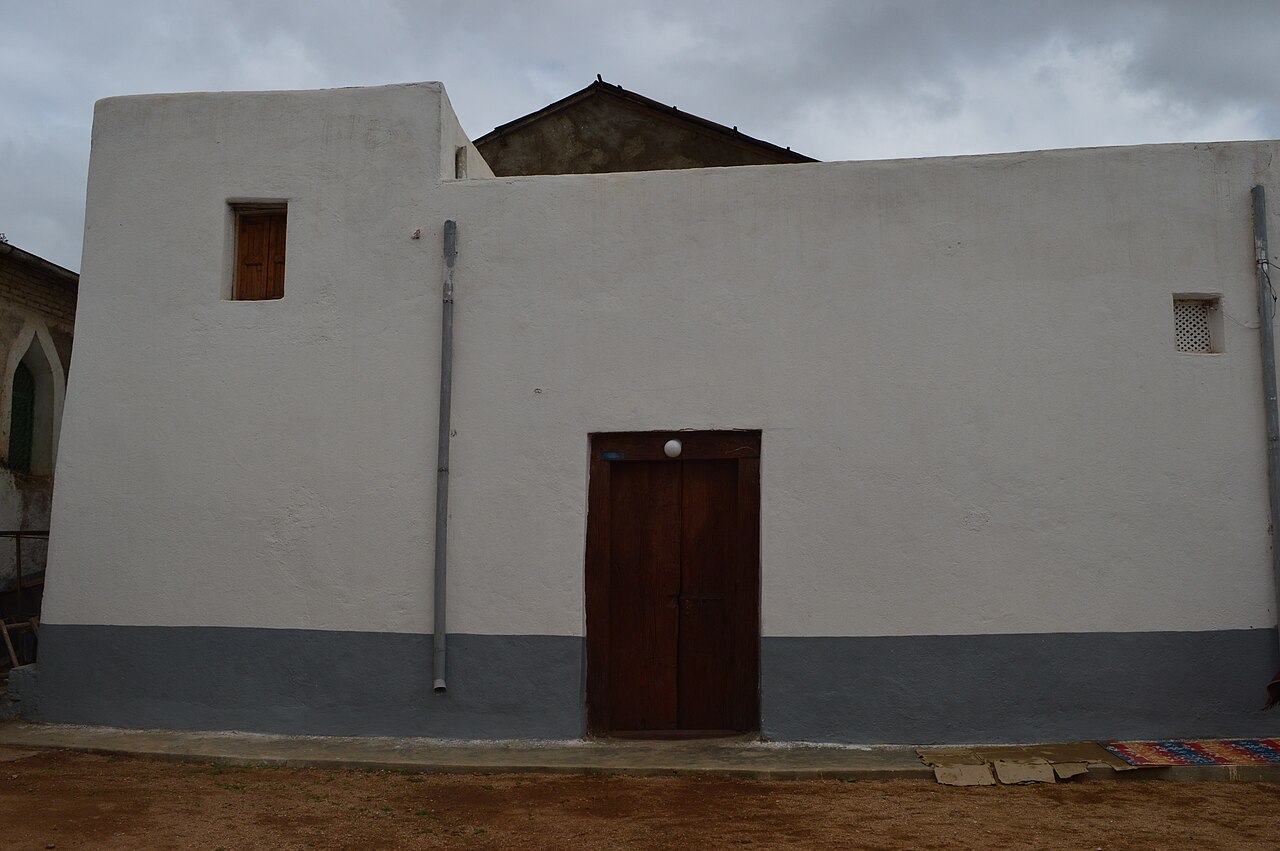
Quick Facts About Harar, Ethiopia
| Country | Ethiopia |
| Region | Harari Region, eastern Ethiopia |
| Known For | The Jugol walls, many mosques and shrines, colorful houses and hyena feeding |
| UNESCO Status | UNESCO World Heritage Site, Harar Jugol, the Fortified Historic Town, since 2006 |
| Founded | A trading and Islamic center for many centuries; walls built in the 16th century |
| Best Time to Visit | October to February |
| Getting There | Fly to Dire Dawa, then drive about an hour to Harar |
| Time Needed | Two days |
| Continent | Africa |
Where Is Harar?
Harar sits on a hilltop plateau in eastern Ethiopia. It is the capital of the small Harari Region. Dire Dawa, the nearest city with an airport, lies about 50 kilometers to the north. In addition, the borders of Somaliland and Djibouti are not far to the east.
Why Visit Harar?
First, the old city is a living place, not a museum. Families still live in the traditional Harari houses. Second, Harar has a long Islamic heritage, with many mosques and shrines packed inside its walls. Also, the city is famous for its coffee and its lively markets. However, the most unusual sight comes after dark, when local men feed wild hyenas by hand.
Things to Do in Harar
Walk the Jugol
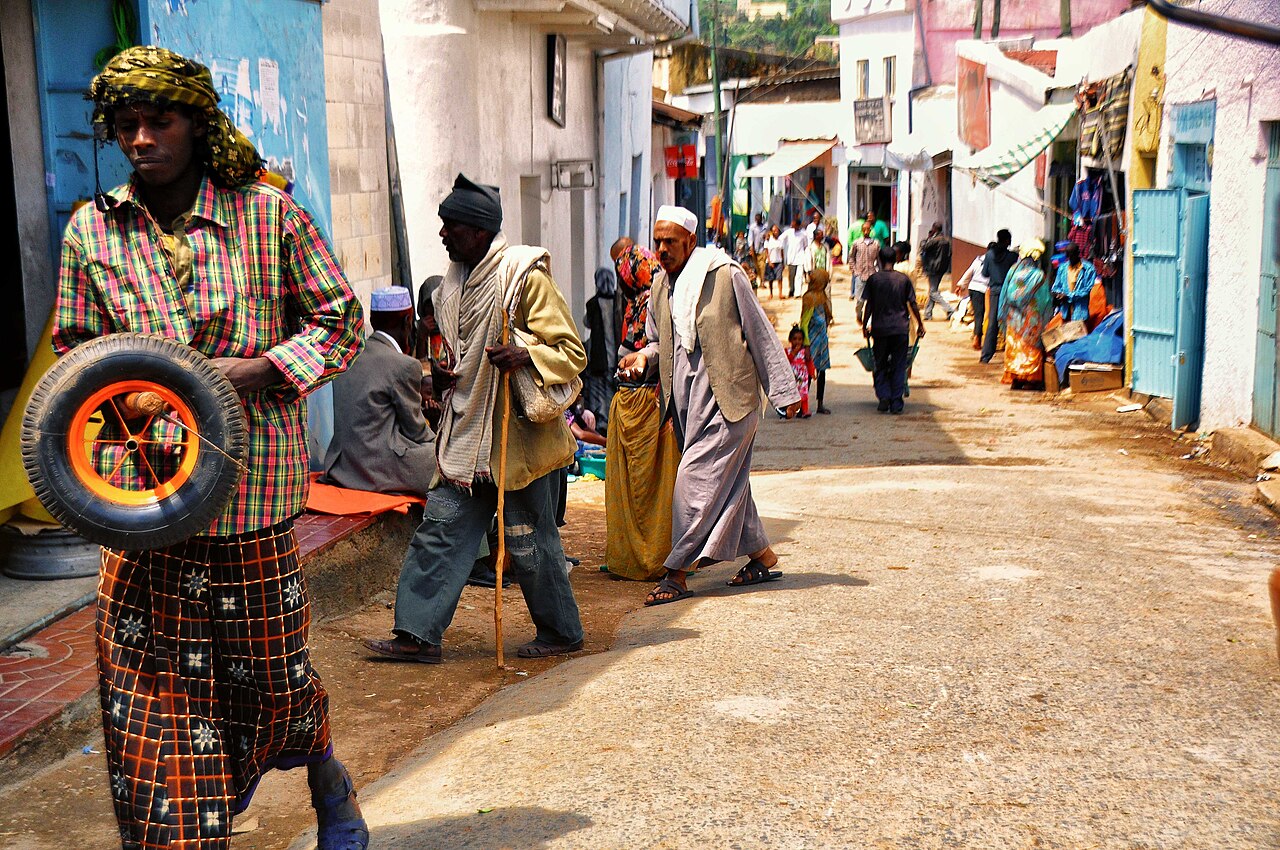
The old walled city is called the Jugol. Its walls were built in the 16th century and still circle the center. Enter through one of the gates, such as Harar Gate. Then get lost in the lanes. Most are too narrow for cars, so walking is the only way to explore.
Visit the Grand Mosque and Shrines
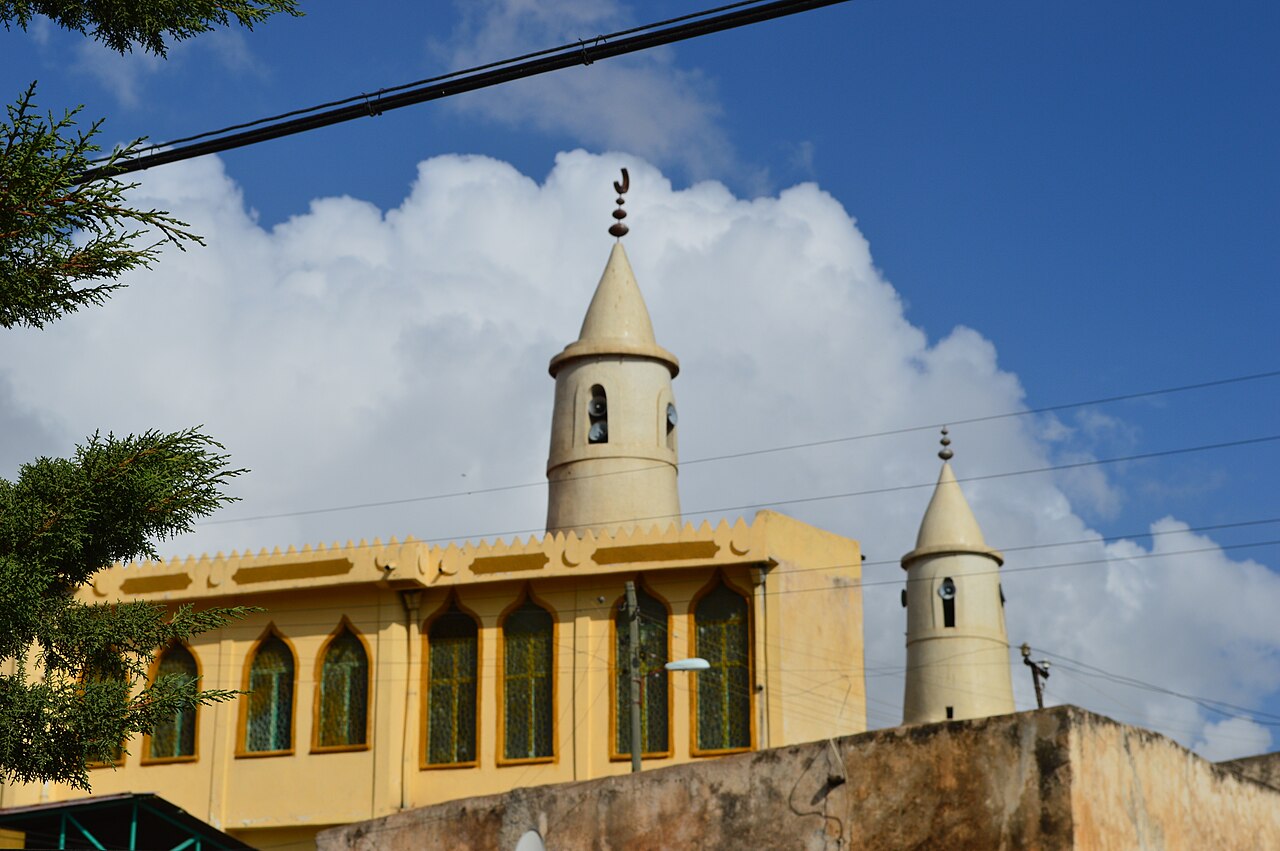
The Grand Mosque, or Jami Mosque, is the main mosque of the old city. Nearby, small shrines with green and white domes mark the tombs of local saints. Remember that some sites are closed to non-Muslims. So, ask before you enter and dress modestly.
Step Inside a Harari House
Traditional Harari houses have raised seating platforms, painted walls and rows of woven baskets and plates. Some families welcome visitors for a small fee. Likewise, the Harari Cultural Museum explains local customs and crafts.
Watch the Hyena Feeding
Each evening, hyena men call wild hyenas to the edge of town. They feed them scraps of meat, sometimes from a stick held in the mouth. Brave visitors can try too. In fact, this custom has gone on for generations.

Visit the Rimbaud House
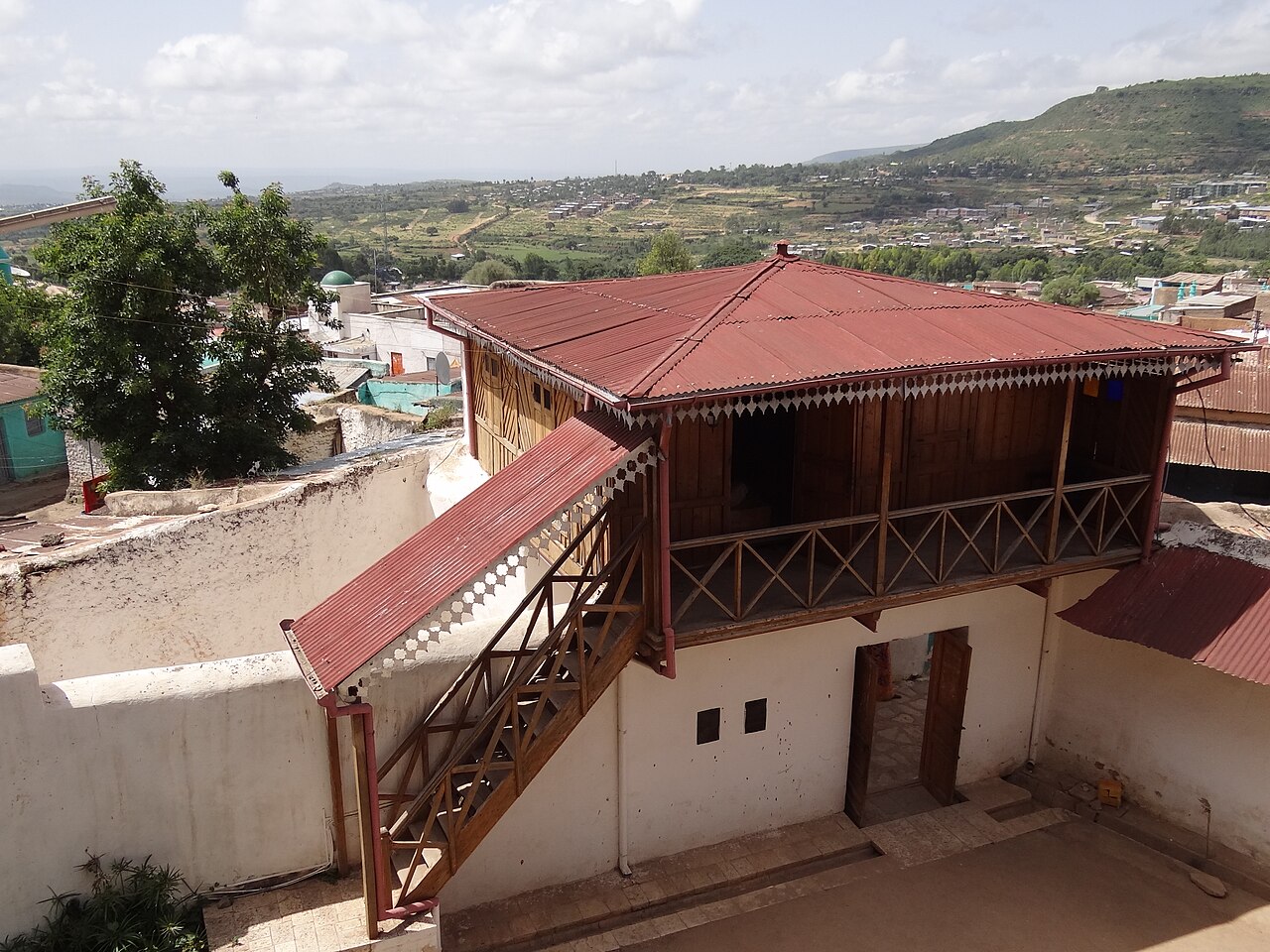
The French poet Arthur Rimbaud lived in Harar as a trader in the 1880s. Today, a fine old merchant’s house carries his name and holds a small museum. Its wooden balconies and painted ceilings are worth the visit alone.
Shop at the Markets
Harar’s markets sell spices, baskets, cloth and coffee. Also look for the camel market outside town on some mornings.
Tips for your visit:
- Hire a local guide for your first walk through the Jugol.
- Ask before taking photos of people, especially in the markets.
- Carry small notes for tips, entry fees and the hyena feeding.
- Check current travel advice for eastern Ethiopia before you go.
Day Trips From Harar
Dire Dawa, with its railway history and tree-lined streets, makes an easy trip. Meanwhile, the Babile Elephant Sanctuary and the rock formations of the Valley of Marvels lie to the east. If you have more time, combine Harar with the rock churches of Lalibela in the north.
One Historical Fact About Harar
For centuries, Harar was a closed city to outsiders. In 1855, the explorer Richard Burton became one of the first Europeans to enter and leave it safely. He later wrote about his journey, which made the city famous in Europe.
How to Get to Harar
- Flying in: Ethiopian Airlines flies from Addis Ababa to Dire Dawa. From there, the drive to Harar takes about an hour.
- Train: The Addis Ababa to Djibouti railway stops at Dire Dawa. Then continue by road.
- Road: Buses run from Addis Ababa, but the trip is long and takes most of a day.
Best Time to Visit Harar
October to February is usually the most comfortable time, with dry, sunny weather. March to May can be warm. Meanwhile, the summer rains arrive from about June to September. So, the cool dry season is best for long walks through the old city.
Is Harar Worth Visiting?
Yes. Harar is one of the most distinctive old towns in Africa. Its walls, colors and customs make it a rewarding stop for curious travelers.
Final Thoughts on Harar
Harar is a city of lanes, faith, coffee and surprises. Spend at least two days and let the Jugol reveal itself slowly. Then explore another historic African town with our guide to Essaouira in Morocco.
Image Credits
Wikimedia Commons
- Naif Mohamed: Harar Jugol,, CC BY-SA 4.0
- Elias Tesfaye (Shagiz Adonay): Grand mosque Jami Mosque or Juma Mesjid, in Harar Built in 12th century, CC BY-SA 4.0
- Rod Waddington from Kergunyah, Australia: Street, Harar (13888772363), CC BY-SA 2.0
- Gusjer: The Hyena Man of Harar, CC BY 2.0
- Adam Jones from Kelowna, BC, Canada: View over Courtyard and Old City – Rimbaud Center – Old City (Jugal) – Harar – Ethiopia (8754084182), CC BY-SA 2.0


