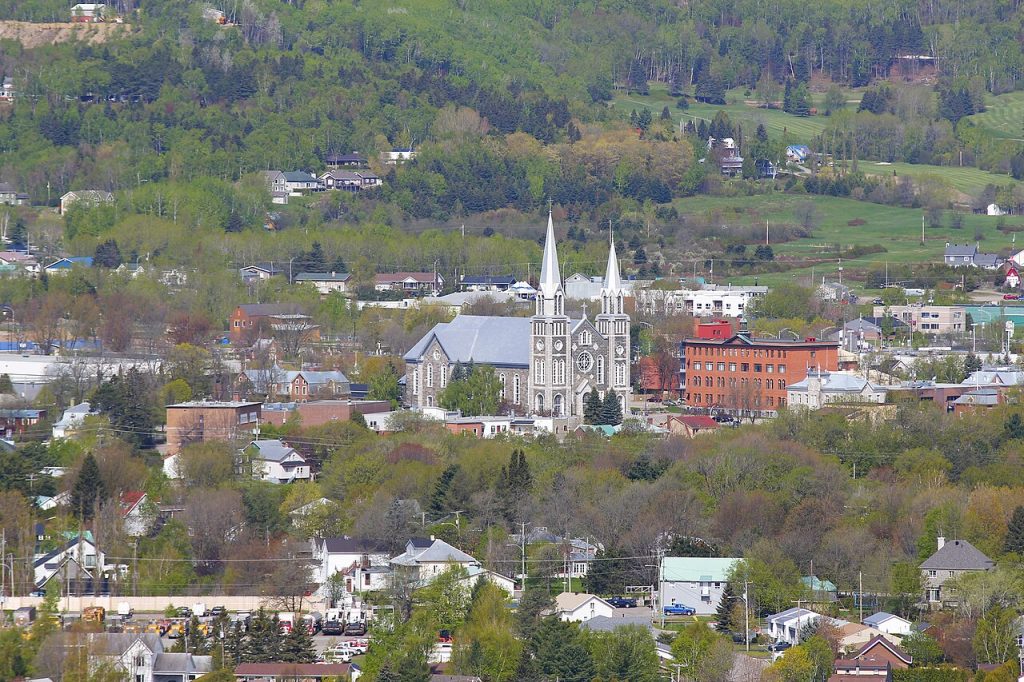
Where a river meets the wide St Lawrence, a small town nestles between rolling hills and the water. Galleries line its main street, a twin-spired church rises above the rooftops, and painters have come here for generations to capture the light. This is Baie-Saint-Paul, the artistic heart of Quebec’s Charlevoix region. In this guide, you will learn what to see, how to get there and when to visit.
Quick Facts About Baie-Saint-Paul, Quebec
| Country | Canada |
| Region | Charlevoix, Quebec |
| Known For | Art galleries, scenic landscapes and the birthplace of Cirque du Soleil |
| UNESCO Status | Not listed (the Charlevoix region is a UNESCO biosphere reserve) |
| Founded | Settled around 1650; parish founded in 1681 |
| Best Time to Visit | June to October |
| Time Needed | One to two days |
| Continent | North America |
Where Is Baie-Saint-Paul, Quebec?
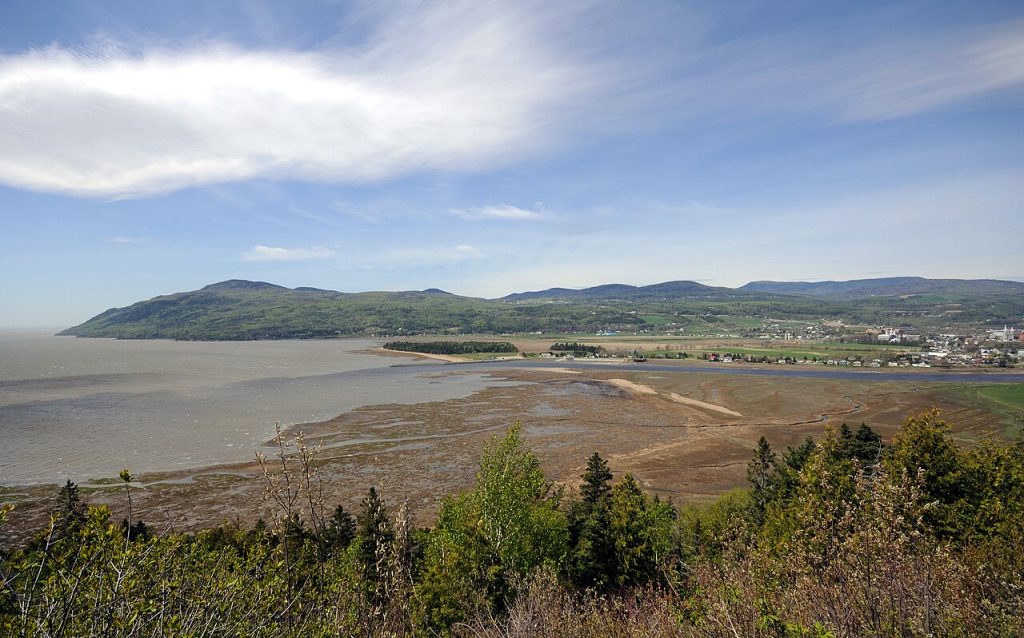
Baie-Saint-Paul lies on the northern shore of the St Lawrence River, at the mouth of the Gouffre River. In fact, it is the seat of the Charlevoix Regional County Municipality, northeast of Quebec City.
Moreover, the town is less than two hours by road from Quebec City. As a result, it is a popular day trip or weekend escape from the provincial capital.
Why Visit Baie-Saint-Paul, Quebec?
First of all, Baie-Saint-Paul is an art lover’s dream. Indeed, art galleries are a specialty of the town, and painters have long been drawn to its landscapes.
In addition, the setting is stunning. For example, rolling hills, river views and the wide St Lawrence make the whole area beautiful in every season.
Finally, the town has a fun claim to fame. In fact, Cirque du Soleil originated here in the early 1980s, and its first show under that name took place in 1984.
Exploring Baie-Saint-Paul
The town center is compact and easy to explore on foot. Above all, take your time browsing the galleries and shops.
Rue Saint-Jean-Baptiste
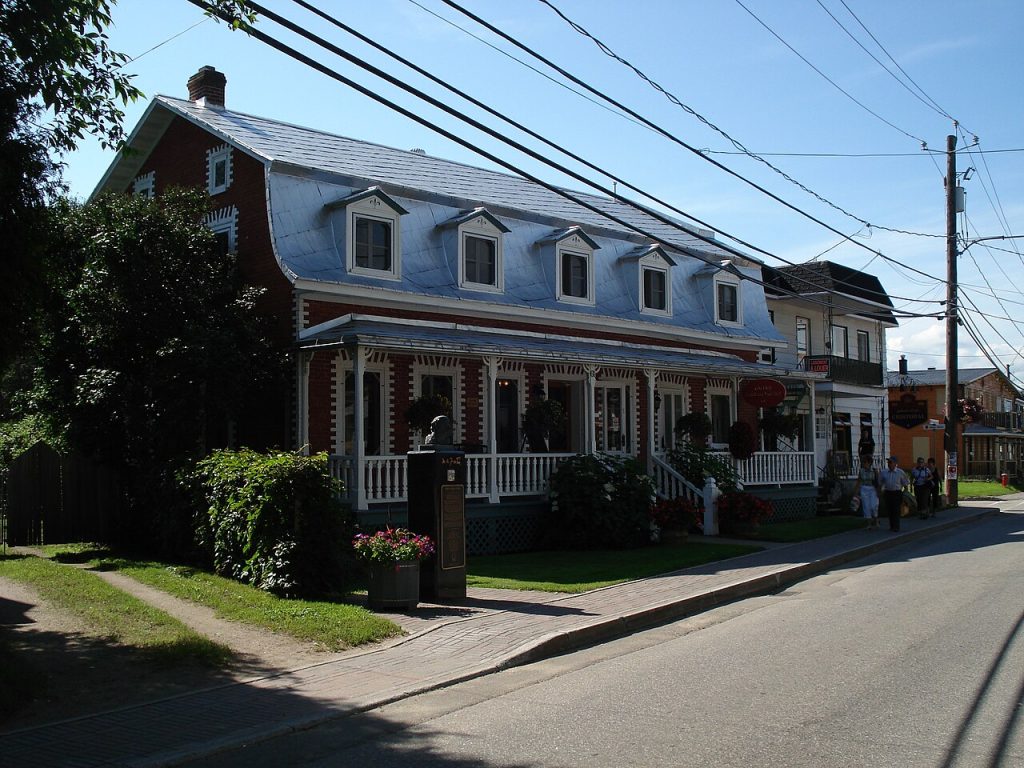
Rue Saint-Jean-Baptiste is the main street of the historic center. Specifically, galleries and restaurants line the way between Place de l’Église and Rue Saint-Pierre. Consequently, it is the perfect place for a slow stroll.
The Parish Church
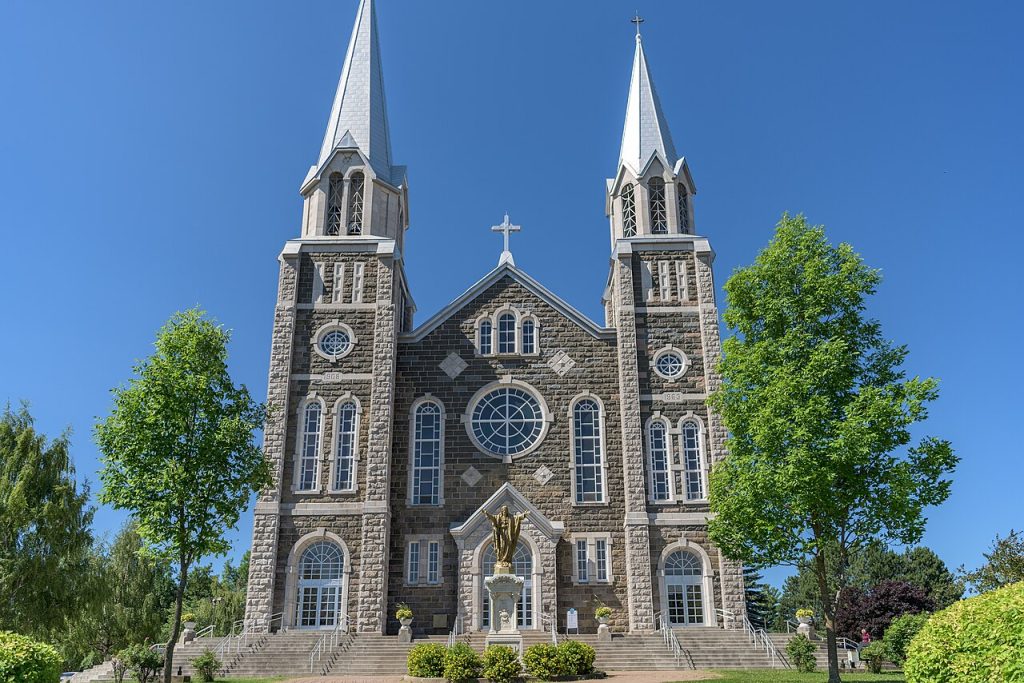
Meanwhile, the parish church, with its twin towers, stands at the heart of town. In fact, the parish of Saint-Pierre-et-Saint-Paul was founded here in 1681.
The Contemporary Art Museum
Across from the church, the Musée d’art contemporain de Baie-Saint-Paul displays modern and contemporary works. Therefore, it is a must for anyone interested in art.
The Art Scene in Baie-Saint-Paul
For generations, artists have painted the hills, rivers and villages of Charlevoix. Similarly, the light over the St Lawrence has inspired many of Quebec’s best known painters.
Today, the town is also full of studios and galleries showing paintings, sculpture and crafts. Moreover, many artists welcome visitors into their workshops, so you can meet them and see their work up close.

Beyond the Town Center
The Charlevoix region around the town is full of natural beauty.
The Route du Fleuve
For instance, the Route du Fleuve is a scenic drive of about 78 kilometers along Route 362, from Baie-Saint-Paul to La Malbaie. Along the way, it passes through charming villages such as Les Éboulements and Saint-Irénée, with sweeping river views.
The Charlevoix Train
The seasonal Train de Charlevoix runs between Montmorency Falls, near Quebec City, and La Malbaie. Since the track follows the shore of the St Lawrence, it offers wonderful views.
A Day Trip by Train
Thanks to a shuttle bus from Quebec City to Montmorency Falls, you can visit the town by train in a day. In fact, the schedule allows a stop of about five hours in town.
A Land Shaped by a Meteorite
Interestingly, the Charlevoix landscape was shaped by an ancient meteorite impact. As a result, the region’s hills and valleys form a vast crater around the town.
One Historical Fact About Baie-Saint-Paul, Quebec
The bay appeared on maps as early as around 1550, first as Baie de l’Ilet and later as Baie du Gouffre. By 1641, the name Baie Saint Paul was in use. Then, settlers arrived around 1650, and the parish was founded in 1681.
How to Get to Baie-Saint-Paul, Quebec
In general, Quebec City is the main gateway.
- By car: The drive from Quebec City takes less than two hours, with lovely river views along the way.
- By bus: Intercar runs buses from Quebec City’s Gare du Palais.
- By train: The seasonal Train de Charlevoix runs from Montmorency Falls along the river.
Best Time to Visit Baie-Saint-Paul, Quebec
Summer and early autumn, from June to October, are the best times to visit. During these months, the weather is mild, and the galleries and terraces are lively. In late September and October, the hills also blaze with fall colors.
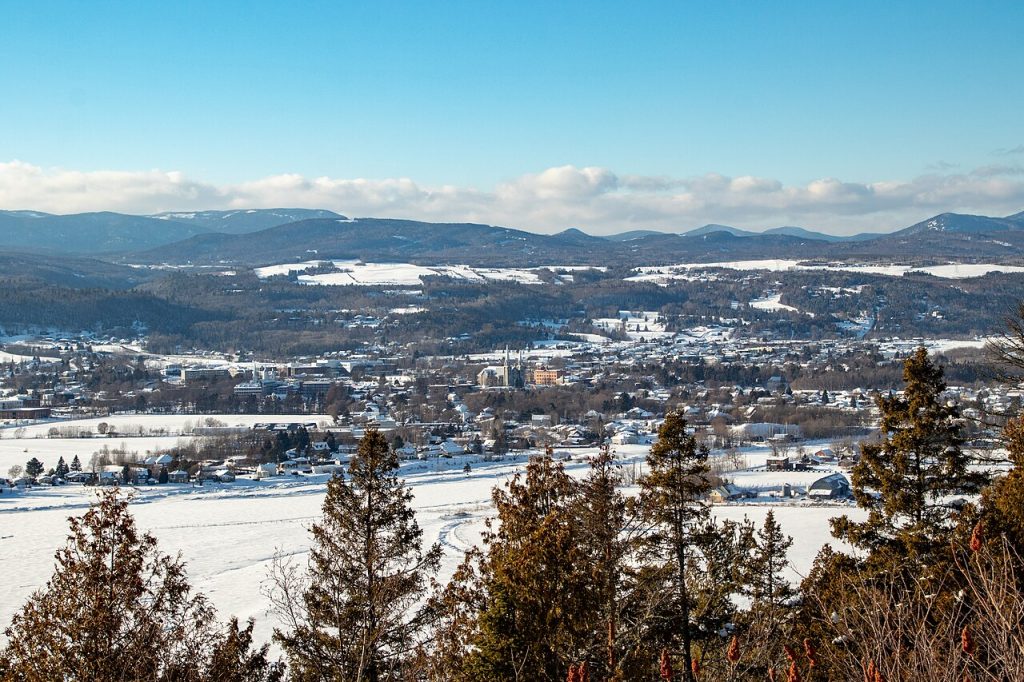
Winter, by contrast, is cold and snowy. Even so, it is beautiful, and the nearby ski slopes attract many visitors.
Is Baie-Saint-Paul, Quebec Worth Visiting?
Yes, absolutely. Baie-Saint-Paul combines art, history and natural beauty in one charming small town. Moreover, it is easy to reach from Quebec City.
For travelers who love art and scenic drives, it is a perfect destination. Therefore, it deserves a place on any trip to Quebec.
Final Thoughts
In short, this is a town where art and nature meet. Browse the galleries, admire the church and drive the Route du Fleuve for the views. Above all, take time to enjoy the special light that has inspired so many painters. If you are exploring more of eastern Canada, you may also enjoy our guides to Old Quebec City and Lunenburg.
Image Credits
Wikimedia Commons
- The Town and Its Church: Photo by Veilleux79 via Wikimedia Commons (CC BY-SA 4.0)
- The Bay at the Mouth of the Gouffre: Photo by Wladyslaw via Wikimedia Commons (CC BY-SA 3.0 de)
- Galerie Pointe Rouge: Photo by Mathieu BROSSAIS via Wikimedia Commons (CC BY 4.0)
- The Parish Church: Photo by Gilles Messian from Paris, France via Wikimedia Commons (CC BY 2.0)
- The Town at Night: Photo by Hayden Soloviev via Wikimedia Commons (CC BY 4.0)
- Charlevoix in Winter: Photo by Hayden Soloviev via Wikimedia Commons (CC BY 4.0)