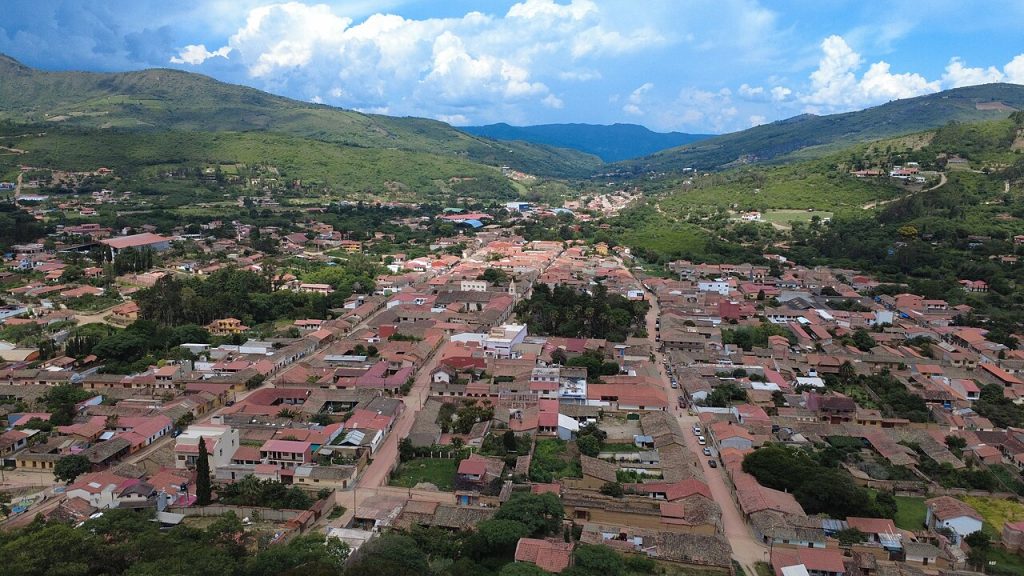
In the green foothills of the Bolivian Andes, a small town of red tiled roofs sits in a peaceful valley. On a hill nearby, a giant rock is carved with ancient channels, niches and animal figures. This is Samaipata, a laid-back town known for its mysterious archaeological site and beautiful mountain scenery. In this guide, you will discover what to see, how to get there and when to visit.
Quick Facts About Samaipata, Bolivia
| Country | Bolivia |
| Region | Florida Province, Santa Cruz Department |
| Known For | El Fuerte de Samaipata, Amboró National Park and a relaxed atmosphere |
| UNESCO Status | El Fuerte de Samaipata, World Heritage Site since 1998 |
| Founded | 1618 |
| Best Time to Visit | April to October |
| Time Needed | Two to three days |
| Continent | South America |
Where Is Samaipata, Bolivia?
Samaipata lies in Florida Province, in the Santa Cruz Department of eastern Bolivia. In fact, it sits in the Andean foothills, about 120 kilometers southwest of the city of Santa Cruz de la Sierra.
The town stands between 1,600 and 1,800 meters above sea level. As a result, it enjoys a mild climate, with an average annual temperature of about 20°C.
Why Visit Samaipata, Bolivia?
First of all, Samaipata is home to El Fuerte, one of the most fascinating archaeological sites in South America. Indeed, it has been a UNESCO World Heritage Site since 1998.
In addition, the town is surrounded by spectacular nature. For example, mountains, forests, waterfalls and the nearby Amboró National Park offer endless opportunities for hiking.
Finally, Samaipata has a relaxed, international feel. Since the 1970s, settlers from Germany, the Netherlands, France and Argentina have made it their home. Consequently, you will find a mix of cultures, cafes and guesthouses.
Exploring the Town of Samaipata
The town is small and easy to explore on foot. Above all, it is a place to slow down.
The Main Square
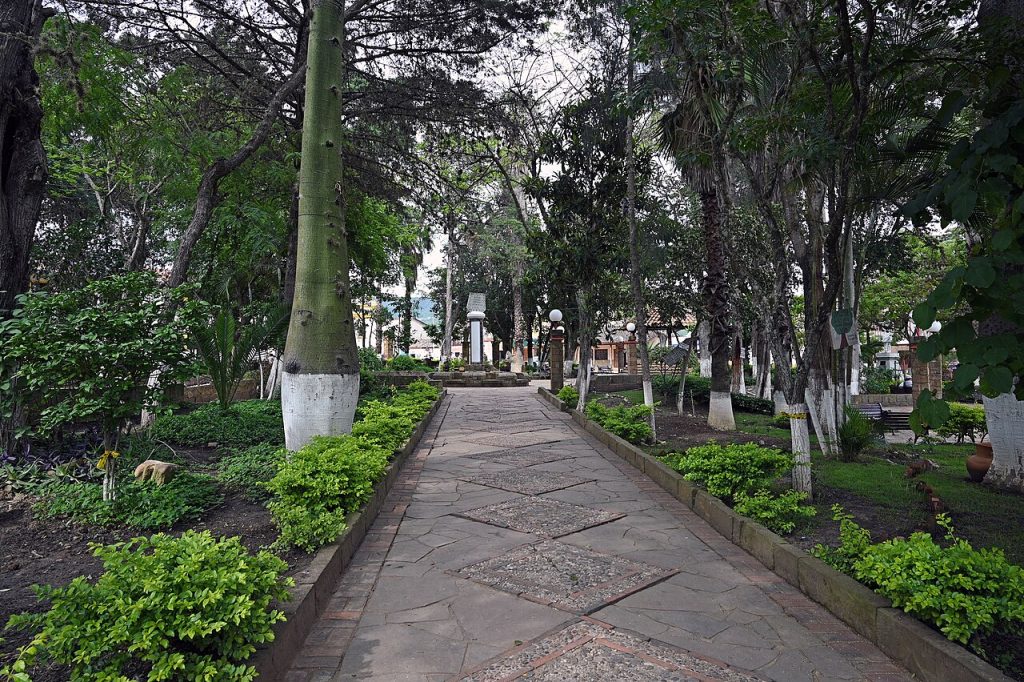
The leafy main square is the heart of town. Especially in the afternoon, locals and travelers gather in the shade of trees, and cafes and restaurants surround the plaza.
Colonial Streets
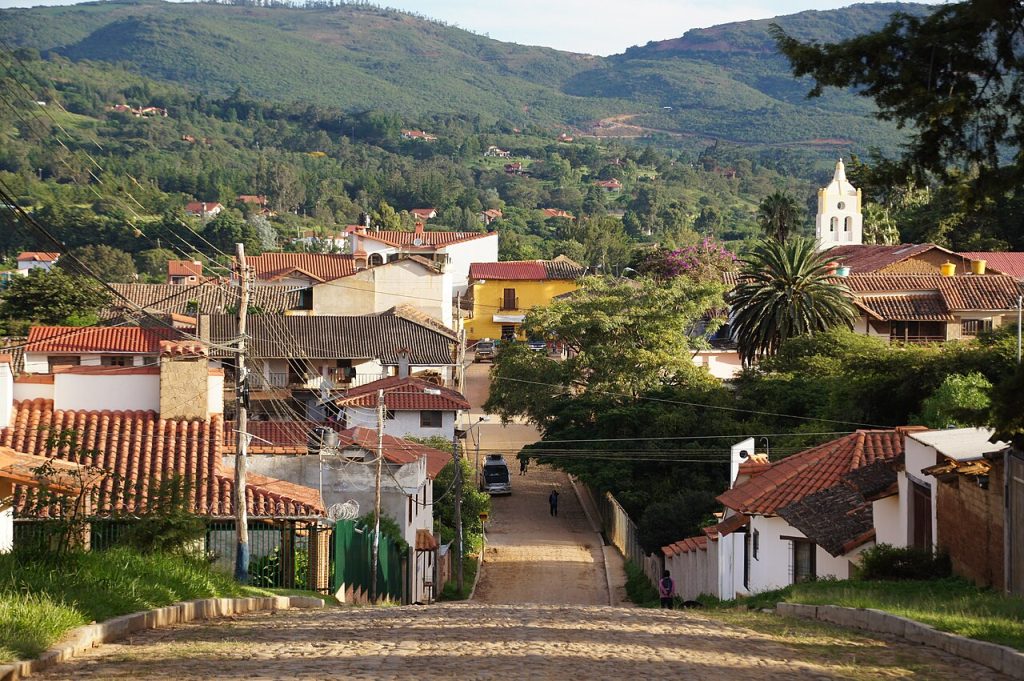
Around the square, quiet streets are lined with whitewashed houses and red tiled roofs. Meanwhile, the church tower rises above the rooftops, with green hills all around.
El Fuerte de Samaipata
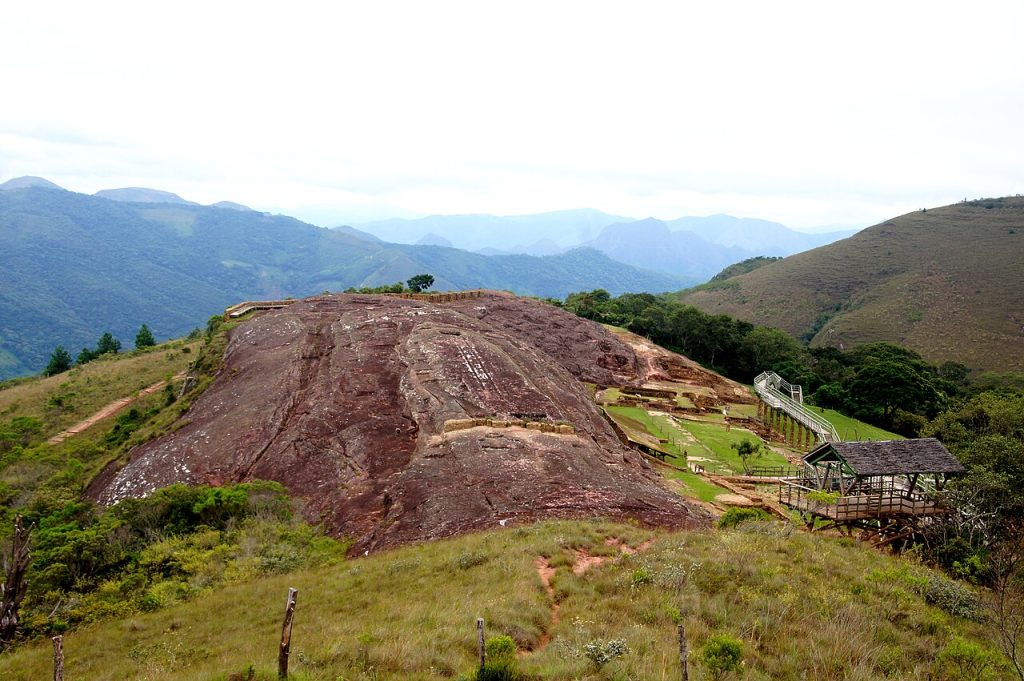
El Fuerte is the main reason most visitors come here. Despite its name, which means the fort, it was mainly a ceremonial center.
The Carved Rock
At the heart of the site lies a huge sandstone rock, about 220 meters long and 60 meters wide. In addition, its surface is covered with geometric and animal figures, channels and niches. In particular, look for the long carved channels known as the spine of the serpent.
Pumas and Niches
Circular carvings about one meter across depict a puma. Moreover, at the highest point, there are 18 niches that were probably used as seats.
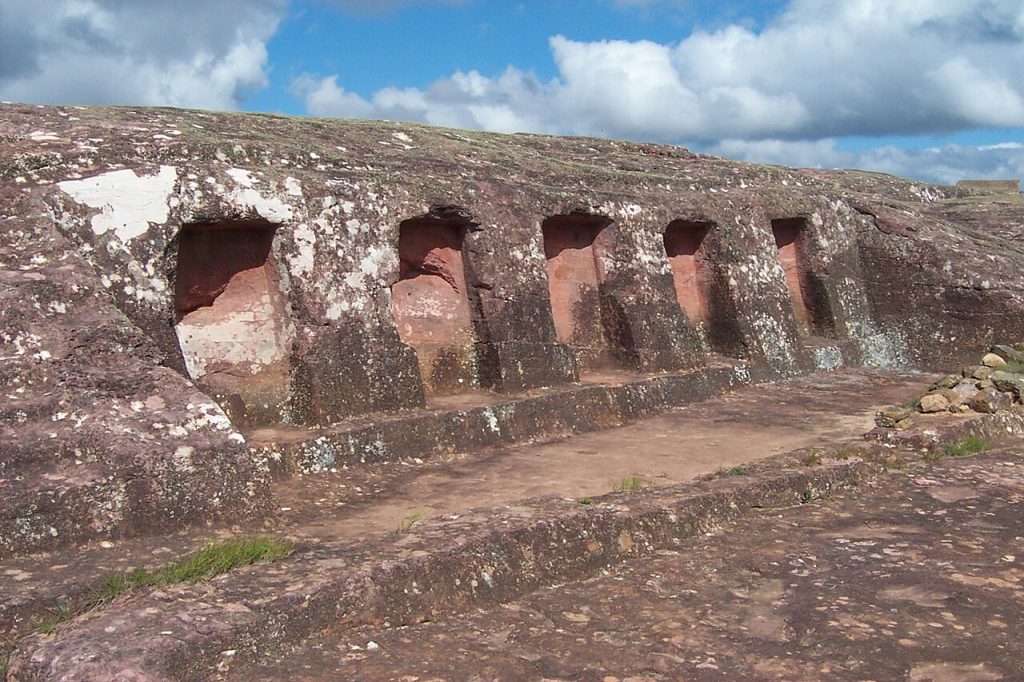
A Site of Many Cultures
Indeed, the site has a long history. The Chané people probably began shaping the rock around 300 CE. Later, the Inca used it as an administrative and religious center, and the Spanish arrived in the early 17th century.
Nature Around Samaipata, Bolivia
The countryside around the town is just as rewarding as its history.
Amboró National Park
Amboró National Park lies close to town. In particular, its forests and mountains are perfect for guided hikes. Therefore, many travelers use the town as a base for exploring the park.
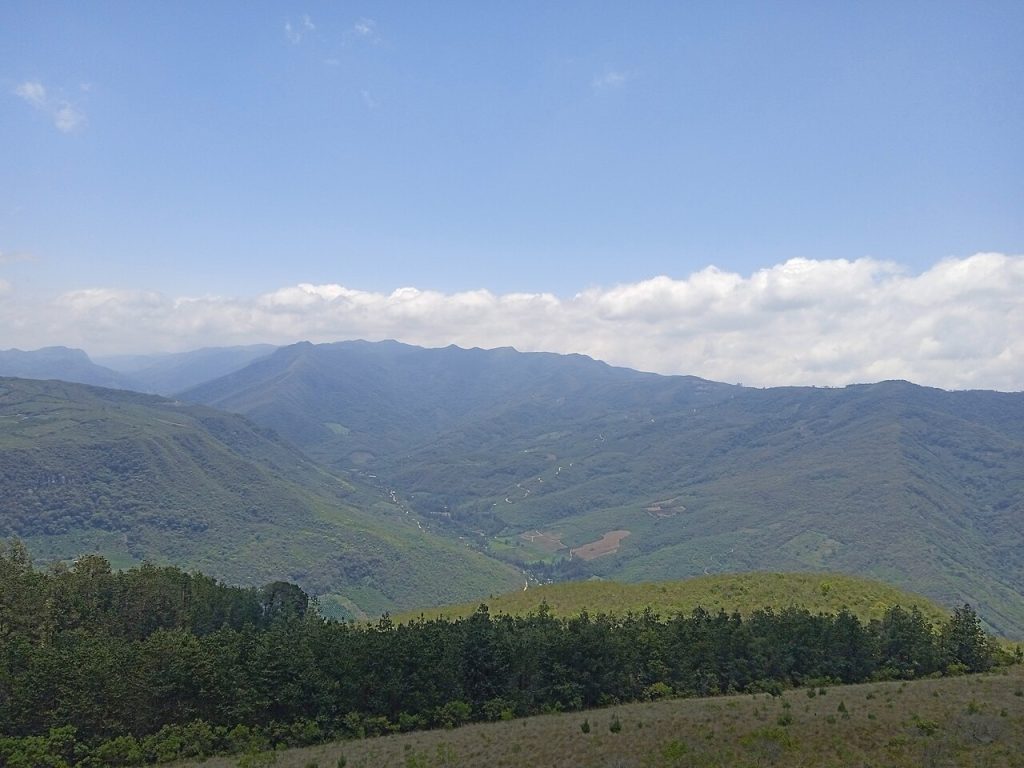
Las Cuevas Waterfalls
Las Cuevas is a series of waterfalls and natural pools outside town. For a small entrance fee, you can swim and relax by the water. As a result, it is a popular spot on warm days.
Wineries
Surprisingly, the area also produces wine. For example, wineries such as Uvairenda, Bodegas Landsua and El Último Vargas welcome visitors for tastings.
One Historical Fact About Samaipata, Bolivia
Pedro de Escalante y Mendoza founded the town in 1618. Originally, it served as a link between Santa Cruz and Vallegrande. Before that, the Spanish had briefly settled near El Fuerte, but they soon moved to the valley below.
How to Get to Samaipata, Bolivia
In general, most travelers arrive from Santa Cruz de la Sierra.
- By shared taxi: Shared taxis run regularly from Santa Cruz to the town along the mountain road.
- By bus: Buses also connect the two places, though they are slower.
- By air: The nearest international airport is Viru Viru, near Santa Cruz de la Sierra.
Best Time to Visit Samaipata, Bolivia
The drier months, from April to October, are generally the best time to visit. During this period, hiking trails are easier, and El Fuerte is pleasant to explore.
However, winter cold fronts can occasionally bring frost. In contrast, the wetter months make the landscape especially green, although rain can make trails muddy.
Is Samaipata, Bolivia Worth Visiting?
Yes, absolutely. Overall, Samaipata combines a world-class archaeological site, beautiful nature and a relaxed small-town atmosphere. Moreover, it is easy to reach from Santa Cruz.
For travelers who want to slow down, it is a perfect stop. Therefore, plan at least two nights to enjoy it fully.
Final Thoughts
In short, this is a town of ancient mysteries and mountain air. Explore the carved rock of El Fuerte, swim at Las Cuevas and hike toward Amboró. Above all, take your time and enjoy the gentle pace of life. If you are exploring more of South America, you may also enjoy our guides to Sucre and Ollantaytambo.
Image Credits
Wikimedia Commons
- The Town From Above: Photo by Ruditaly via Wikimedia Commons (CC BY-SA 4.0)
- Rooftops and Church Tower: Photo by Madereugeneandrew via Wikimedia Commons (CC BY-SA 4.0)
- El Fuerte de Samaipata: Photo by Madereugeneandrew via Wikimedia Commons (CC BY-SA 4.0)
- Carved Niches at El Fuerte: Photo by Mhwater via Wikimedia Commons (CC BY-SA 3.0)
- The Main Square: Photo by P. Hughes via Wikimedia Commons (CC BY 4.0)
- The Andean Foothills: Photo by Nah omy via Wikimedia Commons (CC BY-SA 4.0)