South of Manila, on a hillside above Balayan Bay, a massive stone church towers over streets lined with old wooden houses. Capiz shell windows, carved balconies and quiet plazas recall centuries of history. This is Taal Batangas, one of the best preserved heritage towns in the Philippines. In this guide, you will discover what to see, how to get there and when to visit.
Quick Facts About Taal, Batangas
| Country | Philippines |
| Region | Batangas, Calabarzon |
| Known For | Taal Basilica, ancestral houses, barong embroidery and balisong knives |
| UNESCO Status | Not listed (the town center is a National Historical Landmark) |
| Founded | 1572 |
| Best Time to Visit | December to April |
| Time Needed | One day |
| Continent | Asia |
Where Is Taal, Batangas?
Taal is a municipality in the province of Batangas, in the Calabarzon region of Luzon. In fact, it lies a few hours’ drive south of Manila, near the shores of Balayan Bay.
Despite its name, the town is not on Taal Lake. Instead, residents moved it to its present location after the volcano erupted in the 18th century.
Why Visit Taal, Batangas?
First of all, Taal is full of history. Its town center is a National Historical Landmark, with hundreds of Spanish colonial-era structures. Therefore, it is one of the best places in the Philippines to see traditional architecture.
In addition, the town has a proud revolutionary past. For example, it was home to Marcela Agoncillo, who helped sew the first Philippine flag.
Finally, Taal is famous for its crafts and food. Indeed, it is known as the capital of the balisong knife and of the barong tagalog.
The Taal Basilica
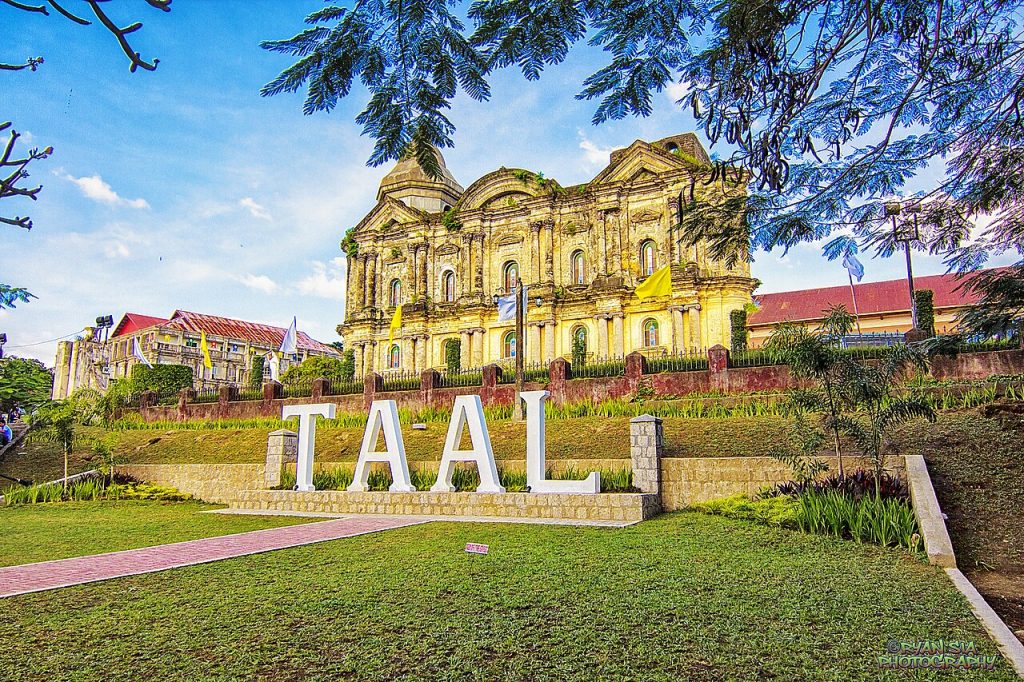
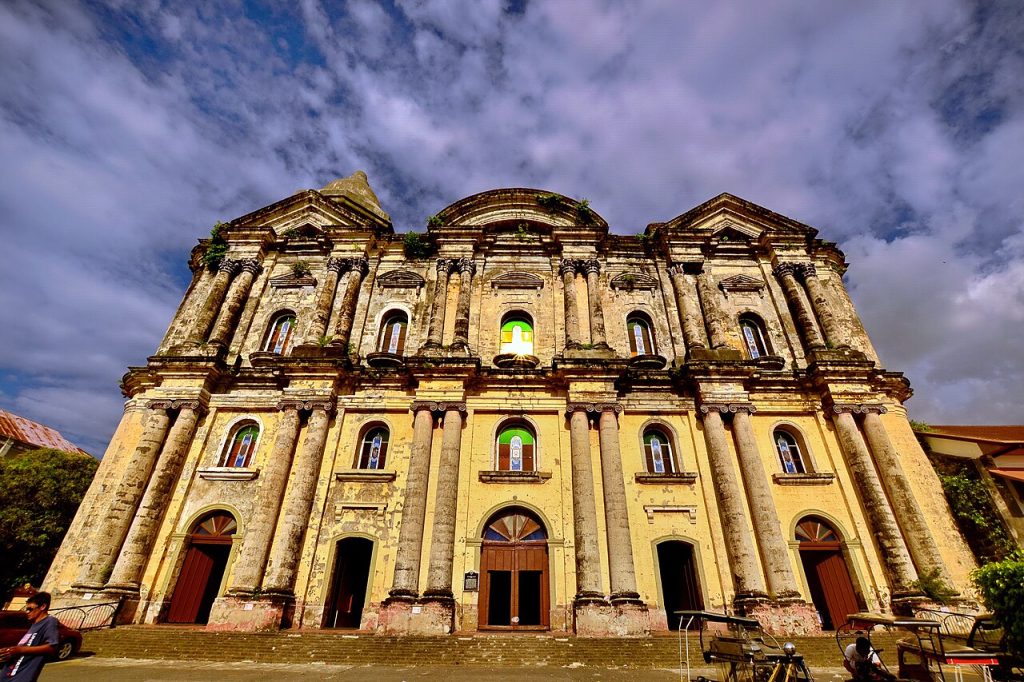
The Basilica of St Martin of Tours, better known as the Taal Basilica, dominates the town. In fact, it is the largest church building in the Philippines, measuring about 88.6 meters long and 48 meters wide.
A Church Built Over Decades
Construction of the present church began in 1856 and ended in 1878, under the direction of the Spanish architect Luciano Oliver. Earlier, an earthquake in 1852 had damaged the previous church.
Earthquakes and Restoration
Over the years, the basilica has survived several earthquakes. For instance, a 1942 earthquake destroyed its original bell tower and its large bell. Later, a new set of carillon bells arrived after a renovation in 2011.
A Minor Basilica
On 8 December 1954, the church became a minor basilica. In fact, it was only the third in the country to receive that honor.
A National Landmark
In 1974, the church also became a National Historical Landmark. As a result, it is protected as one of the country’s most important buildings.
Exploring the Ancestral Houses of Taal
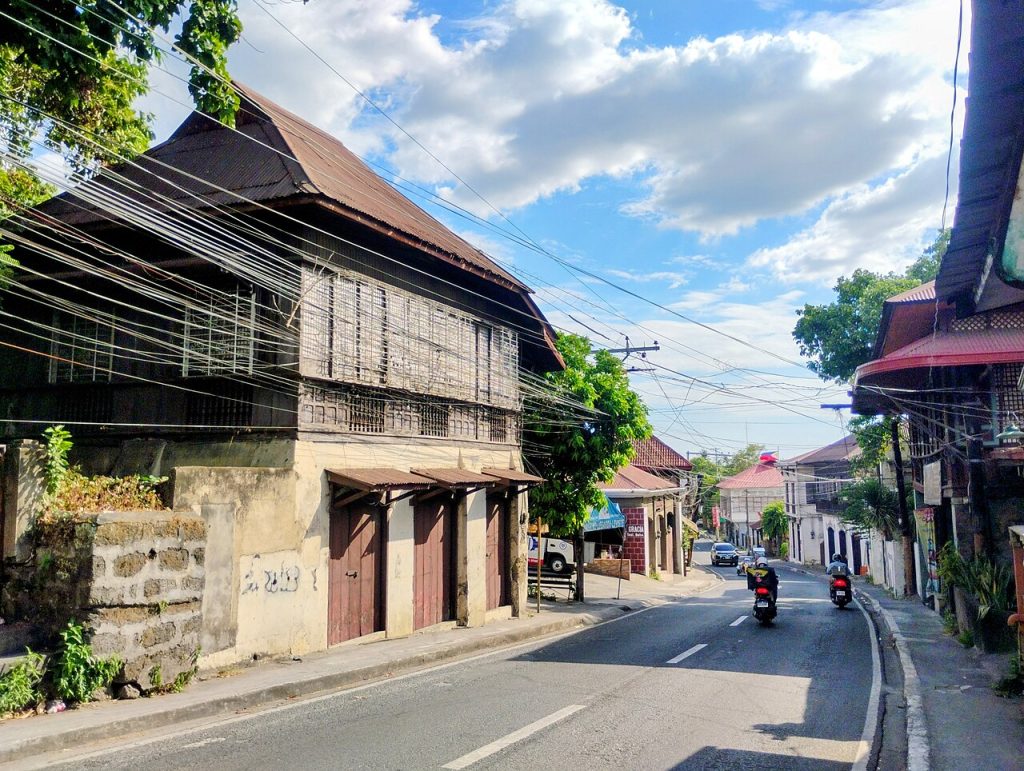
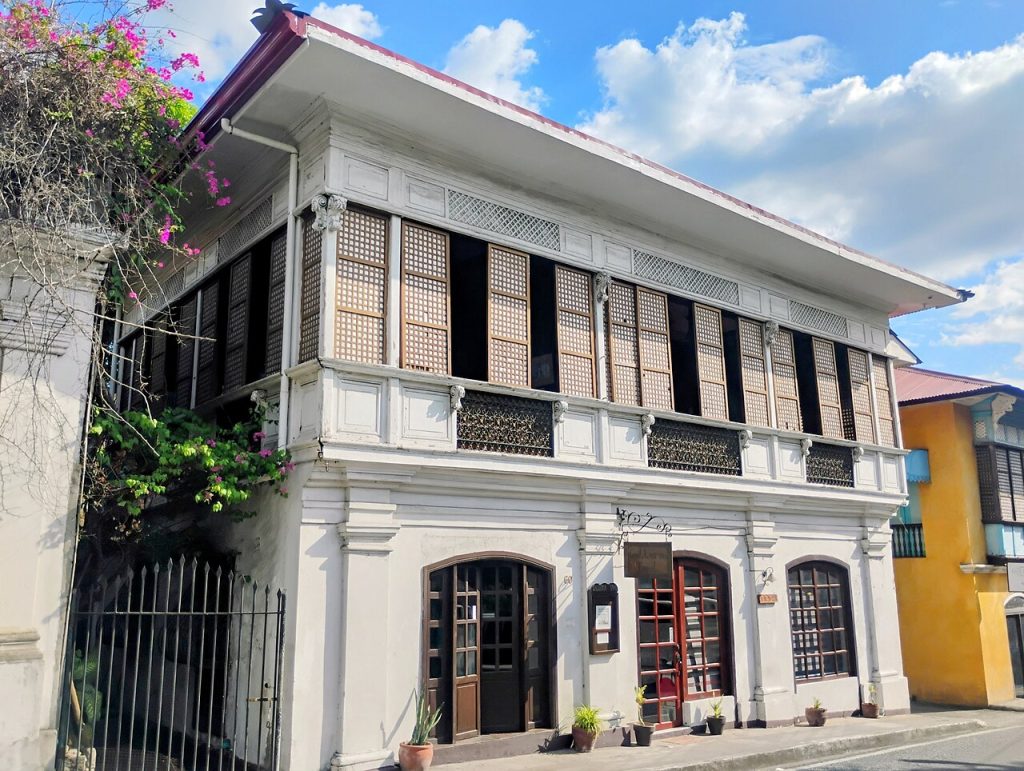
Beyond the basilica, the streets of Taal are lined with beautiful ancestral houses. Above all, take your time to wander and look at the details.
The Marcela Agoncillo House
Marcela Agoncillo grew up in an ancestral house built in the 1770s. Today, it is a museum that tells the story of her life and her role in sewing the first Philippine flag.
The Villavicencio Wedding Gift House
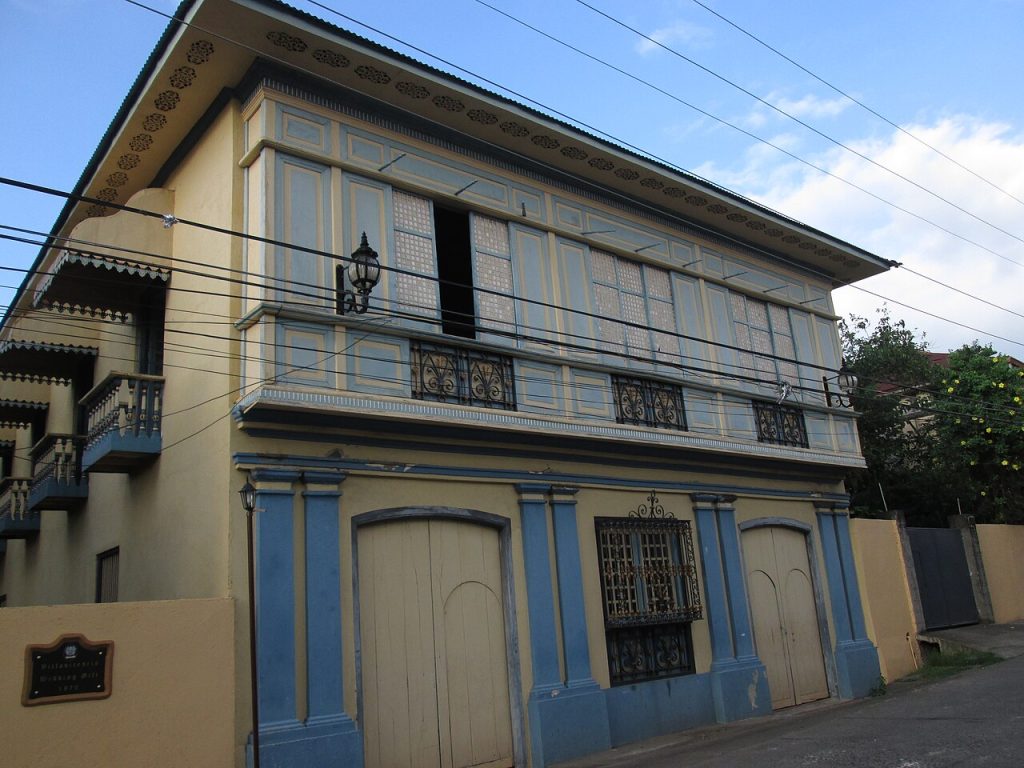
The Villavicencio family is closely linked to the revolution. In particular, people called Gliceria de Villavicencio the godmother of the revolutionary forces. Moreover, their elegant house is one of the town’s best known homes.
Galleria Taal
Galleria Taal is an ancestral house that now holds a museum of vintage cameras. Consequently, it is a favorite stop for photography lovers.
Faith, Crafts and Food in Taal
Beyond its architecture, Taal also has a rich culture.
Our Lady of Caysasay
The Caysasay sanctuary is home to a revered image of the Immaculate Conception. When the volcano erupted in 1754, townspeople took refuge here. Every 8 December, locals celebrate the image with a festival.
Barong and Balisong
Taal is famous for its embroidery, especially for the barong tagalog, the traditional formal shirt of the Philippines. Similarly, the town is known for making balisong, or butterfly knives.
Local Food
Before you leave, try local products such as tapa, a cured pork, and longganisa sausages. In addition, many small eateries around the plaza serve traditional Batangas dishes.
One Historical Fact About Taal, Batangas
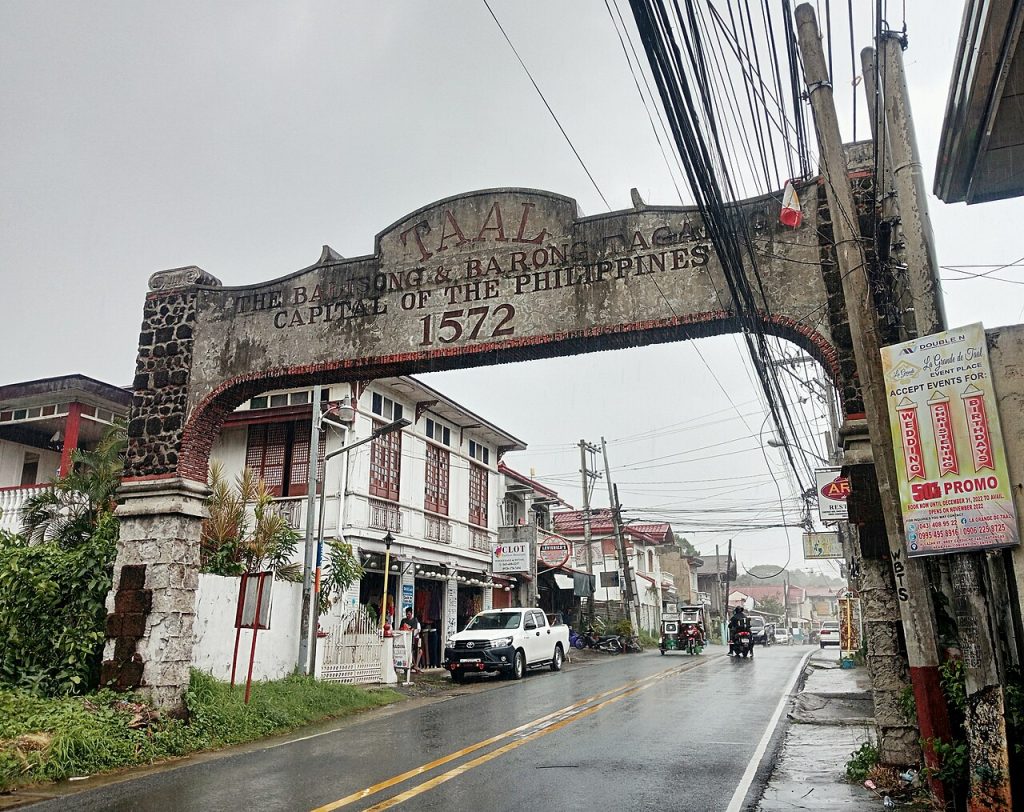
Augustinian friars founded Taal in 1572. Later, in 1754, Taal Volcano erupted, and the townspeople sought refuge at the Caysasay sanctuary. That same year, the provincial capital moved to the town of Batangas, and residents rebuilt Taal on its present site.
How to Get to Taal, Batangas
In general, Taal is easiest to reach from Manila by road.
- By car: The drive from Manila takes a few hours, depending on traffic.
- By bus: Buses from Manila run to Batangas, where you can then continue to Taal by jeepney or tricycle.
- Getting around: Once there, the town center is easy to explore on foot or by tricycle.
Best Time to Visit Taal, Batangas
The best time to visit is during the dry season, from December to April. During these months, the weather is sunny and especially pleasant for walking.
Alternatively, visit around 8 December for the Caysasay feast. In contrast, the rainy season, from June to November, brings heavy showers and occasional typhoons.
Is Taal, Batangas Worth Visiting?
Yes, absolutely. Taal offers a grand basilica, beautiful ancestral houses and a proud history, all within easy reach of Manila. Moreover, it is a wonderful place to learn about Filipino culture.
For history and architecture lovers, it is a perfect day trip. Therefore, it deserves a place on any trip to Luzon.
Final Thoughts
Taal is a town where Spanish colonial history still lives. Step inside the basilica, wander past the ancestral houses and shop for a hand-embroidered barong. Above all, take your time and enjoy the town’s quiet charm. If you love historic towns in Asia, you may also enjoy our guides to Vigan and Melaka.
Image Credits
Wikimedia Commons
- Basilica and Town Sign: Photo by Ryan Sia via Wikimedia Commons (CC BY-SA 4.0)
- Facade of the Basilica: Photo by Allan Jay Quesada via Wikimedia Commons (CC BY-SA 3.0)
- Welcome Arch: Photo by Ralff Nestor Nacor via Wikimedia Commons (CC BY-SA 4.0)
- Calle Agoncillo: Photo by Ralff Nestor Nacor via Wikimedia Commons (CC BY-SA 4.0)
- Villavicencio Wedding Gift House: Photo by Eric Jam via Wikimedia Commons (CC BY-SA 4.0)
- Galleria Taal: Photo by Ralff Nestor Nacor via Wikimedia Commons (CC BY-SA 4.0)