
Gracias Honduras is a peaceful colonial town in the green mountains of western Honduras. In fact, cobbled streets, whitewashed churches and a hilltop fort give it plenty of old world charm. Meanwhile, the cloud forest of Celaque National Park rises right behind it. So, this guide covers what to see, how to get there and when to go.
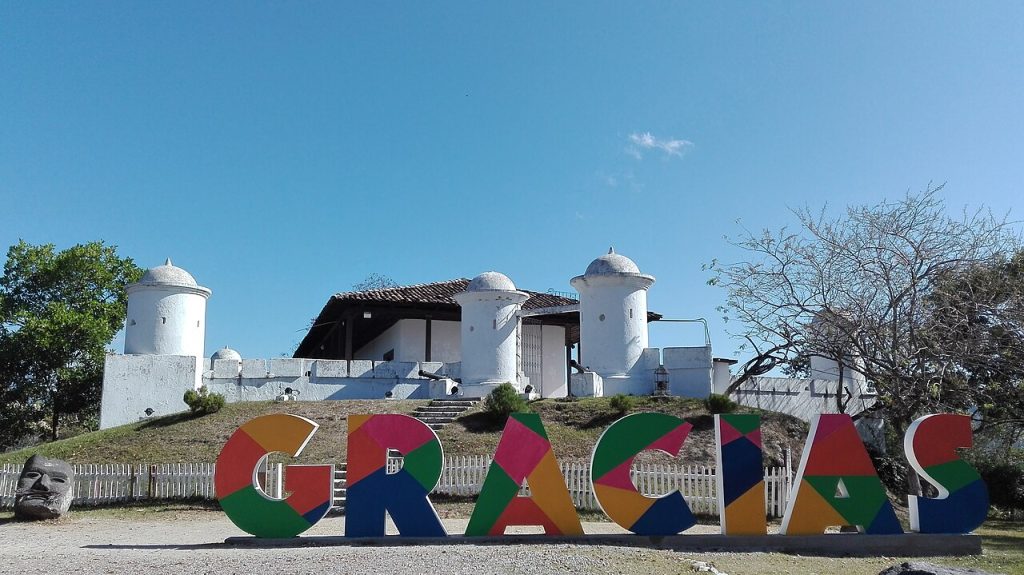
Quick Facts About Gracias, Honduras
| Country | Honduras |
| Region | Lempira Department, western Honduras |
| Known For | Fuerte de San Cristóbal, colonial churches, Celaque National Park, Lenca culture |
| UNESCO Status | Not listed |
| Founded | 1536, as Gracias a Dios |
| Best Time to Visit | November to April |
| Time Needed | 2 to 3 days |
| Continent | Central America |
Where Is Gracias, Honduras?
Gracias lies in western Honduras and is the capital of the Lempira Department. More precisely, it sits in a mountain valley at about 800 meters above sea level. In addition, the city of Santa Rosa de Copán is roughly an hour away by road, while San Pedro Sula is about three and a half hours away.
Why Visit Gracias, Honduras?
First, Gracias is one of the oldest Spanish towns in Central America, and its center keeps a strong colonial feel. Second, it is calm and safe for a relaxed stay, with friendly locals and few tourists.
Also, the town is a superb base for outdoor adventures. For example, you can hike into the cloud forest, soak in hot springs and visit traditional Lenca villages. As a result, Gracias offers a rare mix of history, nature and culture in one small place.
Things to Do in Gracias
Climb to Fuerte de San Cristóbal
The small white fort of San Cristóbal stands on a hill above the town. It dates from the 19th century. Today, however, its old cannons point only at the rooftops. Moreover, it holds the tomb of Juan Lindo, a local man who became president of both El Salvador and Honduras.
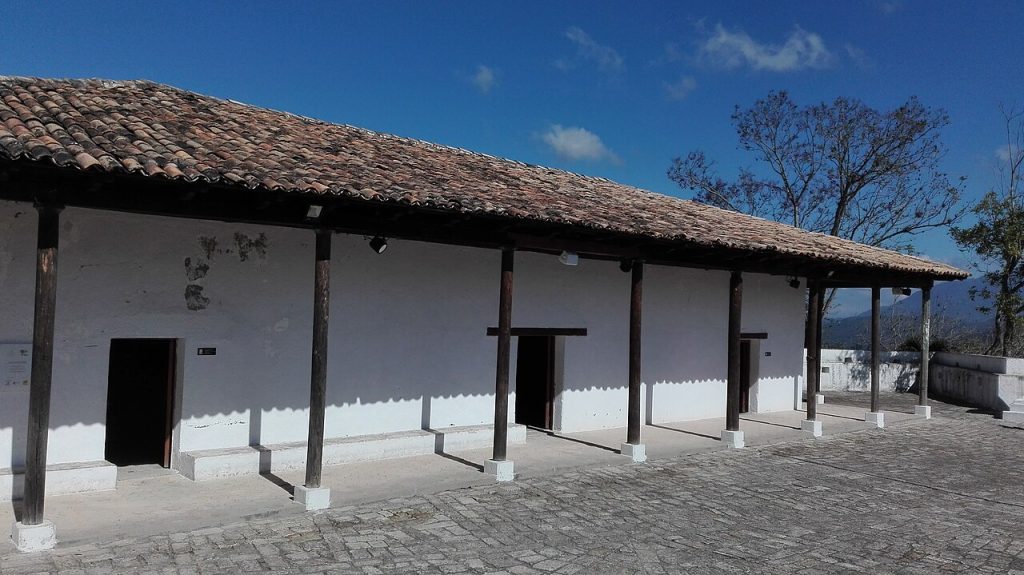
From the walls, you get a wide view of the valley and the Celaque mountains. Ideally, come in the late afternoon, when the light is warm and the air is cool.
Visit the Colonial Churches
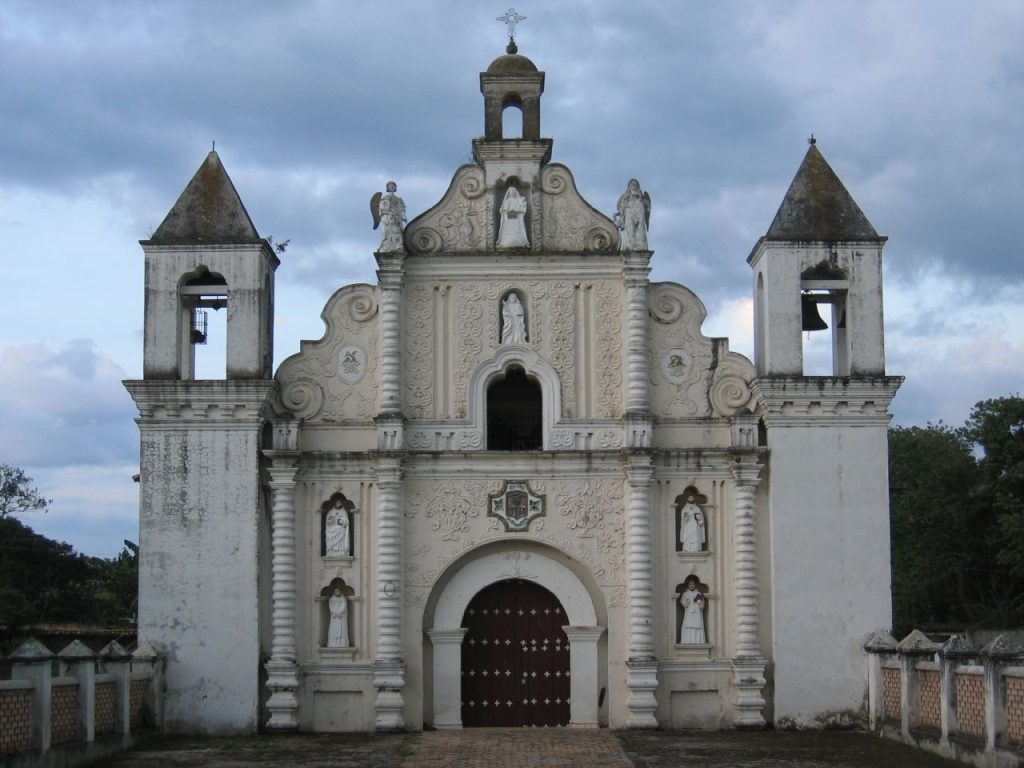
Gracias has several beautiful colonial churches. Among them, Iglesia de la Merced stands out for its ornate white facade, built in the first half of the 18th century. Similarly, the churches of San Marcos and San Sebastián are worth a short visit as you walk around town.
Relax at the Hot Springs
Just a few kilometers south of town, natural hot springs fill a series of stone pools surrounded by trees. Locals and visitors also come here to unwind, especially in the evening. Therefore, it is the perfect reward after a long hike in the mountains.
Celaque National Park
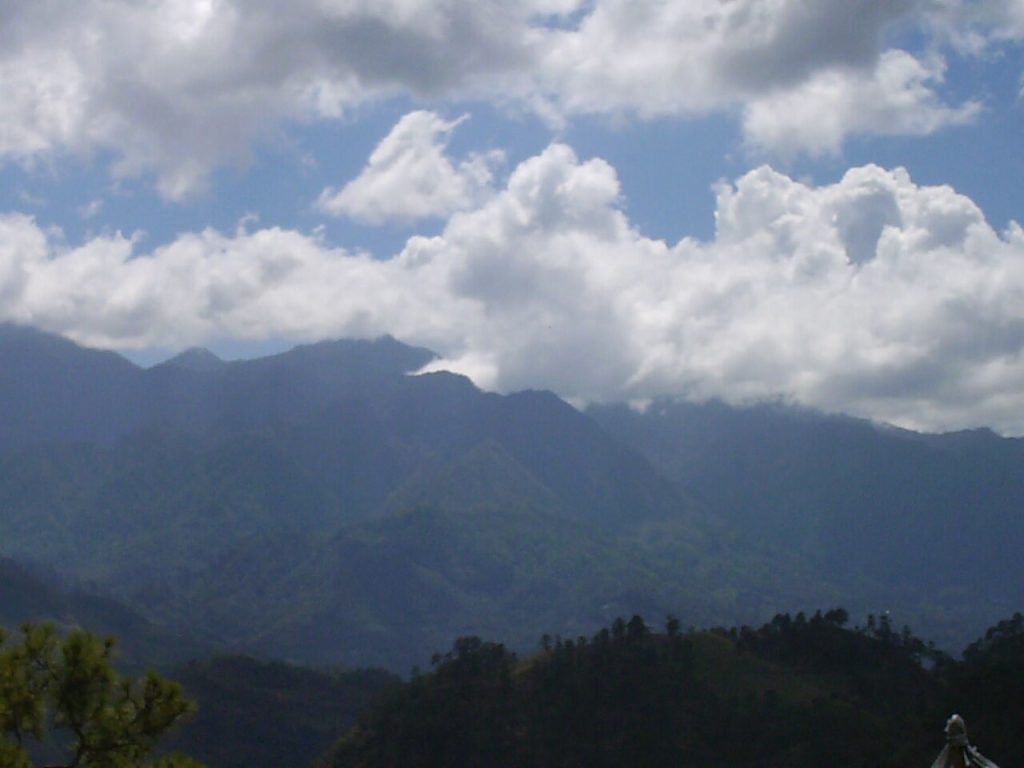
Celaque National Park protects one of the largest cloud forests in Honduras. Its name is often translated from the Lenca language as box of water, because many rivers start in its mountains. Indeed, these forests supply water to towns across the region.
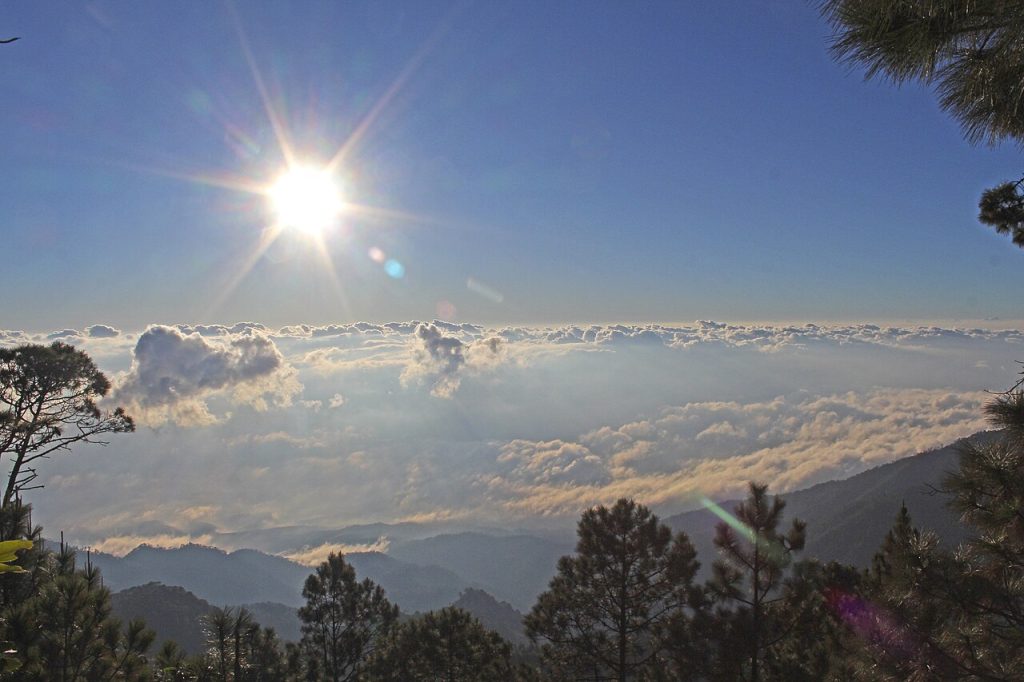
The park is also home to Cerro Las Minas, the highest point in Honduras, at more than 2,800 meters. Usually, hikers start at the visitor center near Gracias and then climb for a full day or two. Along the way, the forest becomes cooler and wetter, with moss, ferns and giant trees.
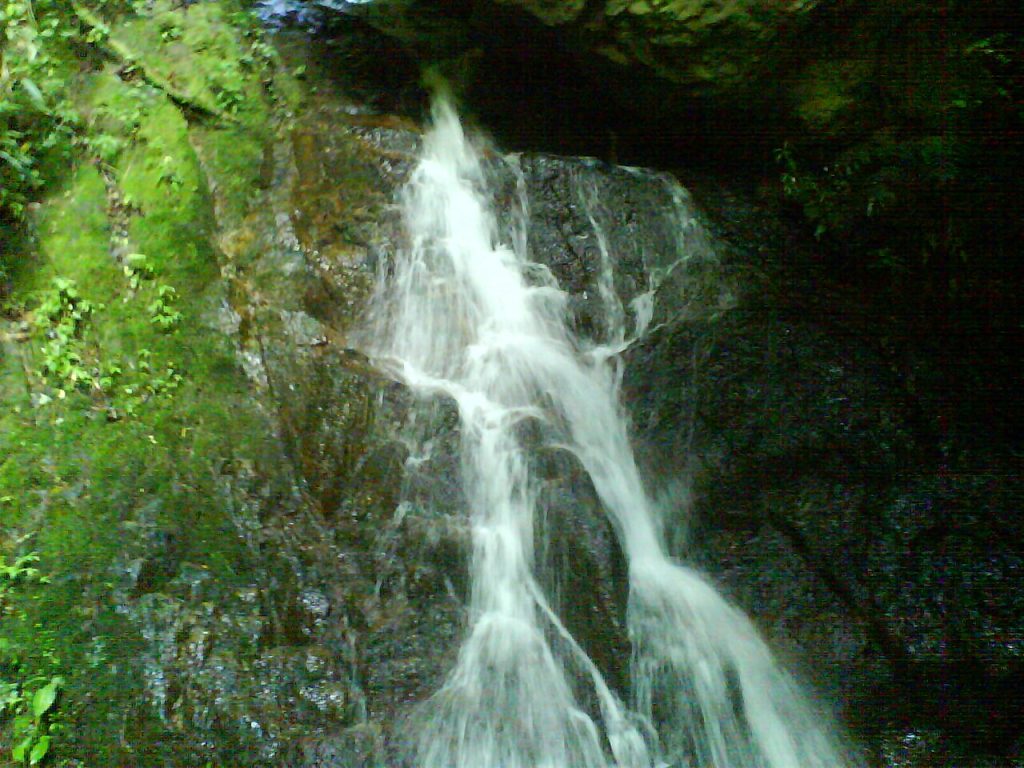
For an easier walk, follow the short trails near the entrance. There, you can see waterfalls, birds and, with luck, the colorful quetzal. However, always check trail conditions and consider hiring a local guide.
Lenca Villages Around Gracias
Lenca Culture
Who Are the Lenca?
The Lenca are one of the main indigenous peoples of Honduras. Furthermore, their culture still shapes daily life in the villages around Gracias. In particular, they are known for their pottery, weaving and colorful festivals.
Villages to Visit
La Campa
La Campa is a small village a short drive from Gracias. Above all, it is famous for its traditional Lenca pottery, made by hand by local women. Also, its colonial church and quiet streets make it a lovely stop.
San Manuel Colohete
San Manuel Colohete lies further into the mountains. Most importantly, its old church is decorated inside with remarkable colonial paintings. Consequently, many visitors consider it one of the hidden treasures of Honduras.
One Historical Fact About Gracias, Honduras
In 1536, Spanish settlers founded the town under the name Gracias a Dios, which means thanks be to God. Only a few years later, in 1544, it became the seat of the Audiencia de los Confines, the royal court that governed much of Central America. In other words, this small town was briefly one of the most important places in the region. However, the court moved to Santiago de Guatemala, today Antigua Guatemala, in 1549.
How to Get to Gracias, Honduras
To begin with, the nearest international airport is in San Pedro Sula. From there, the drive to Gracias takes around three and a half hours. Alternatively, buses run from San Pedro Sula, usually with a change in Santa Rosa de Copán.
If you are coming from the Copán Ruins, the trip takes about three hours by road. Once in Gracias, the center is small and easy to explore on foot, while taxis and tuk tuks can take you to the hot springs.
Best Time to Visit Gracias, Honduras
The best time to visit is during the dry season, from November to April. During these months, the trails in Celaque are less muddy, and the views are clearer. In contrast, the rainy season, from May to October, brings heavy afternoon showers.
Also, nights can be cool in the mountains all year round. So, pack a light jacket, especially if you plan to hike.
Is Gracias, Honduras Worth Visiting?
Yes, absolutely. After all, Gracias combines colonial history, Lenca culture and some of the finest mountain scenery in Central America. Moreover, it remains quiet and affordable, far from the usual tourist trail.
Final Thoughts
Gracias, Honduras is a town that invites you to slow down. So, climb to the fort at sunset, soak in the hot springs and walk into the cloud forest of Celaque. In the end, you will discover a side of Honduras that few travelers ever see.
Planning a longer trip? You can also pair this visit with our guides to Copán Ruinas, Comayagua and Antigua Guatemala.
Image Credits
Wikimedia Commons
- Fuerte de San Cristóbal: Photo by Mónica J. Mora via Wikimedia Commons (CC BY-SA 4.0)
- Iglesia de la Merced in Gracias: Photo by William Fish via Wikimedia Commons (CC BY-SA 2.0)
- Barracks of Fuerte de San Cristóbal: Photo by Mónica J. Mora via Wikimedia Commons (CC BY-SA 4.0)
- View of Celaque: Photo by ETXEVERZ via Wikimedia Commons (Public domain)
- Waterfall in Celaque: Photo by Elmer Claros via Wikimedia Commons (Public domain)
- Sunrise on Cerro Las Minas: Photo by HermesLeonelVega via Wikimedia Commons (CC BY-SA 4.0)