Nestled in the central highlands of Guatemala, Antigua Guatemala is one of the most beautiful colonial cities in the Americas. Famous for its cobblestone streets, colorful architecture, historic ruins, and dramatic volcanic backdrop, Antigua offers visitors a unique blend of history, culture, and natural beauty.
Recognized as a UNESCO World Heritage Site, the city preserves centuries of Spanish colonial architecture while maintaining a vibrant atmosphere filled with local traditions, markets, cafés, and festivals. Whether you’re interested in history, photography, or simply wandering charming streets, Antigua Guatemala is a destination that leaves a lasting impression.
Quick Facts About Antigua Guatemala
| Country | Guatemala |
| Department | Sacatepéquez |
| Founded | 1543 |
| UNESCO Status | World Heritage Site |
| Known For | Colonial Architecture, Volcano Views, Historic Ruins |
| Best Time to Visit | November to April |
| Time Needed | 1–2 Days |
| Elevation | Approximately 1,530 meters |
Where is Antigua Guatemala?
Antigua Guatemala is located about 45 kilometers west of Guatemala City in the country’s central highlands. Surrounded by mountains and volcanoes, the city enjoys pleasant temperatures throughout much of the year.
Why Visit Antigua Guatemala?
Antigua combines rich history with stunning scenery. Visitors can admire beautifully preserved colonial buildings, explore centuries-old churches, enjoy traditional Guatemalan culture, and take in breathtaking views of nearby volcanoes.
The city’s walkable streets and relaxed atmosphere make it one of Central America’s most rewarding destinations.
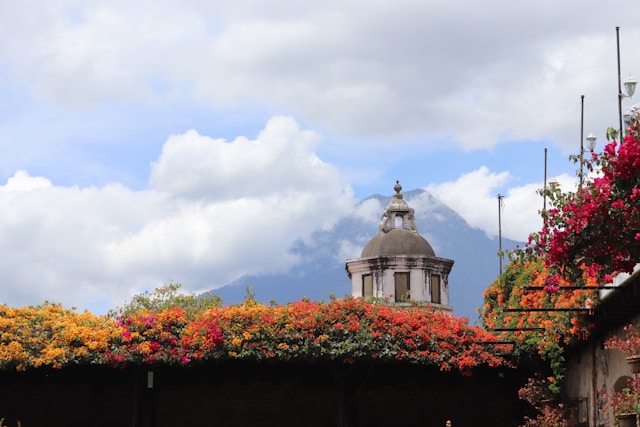
Earthquakes, Empire, and Antigua’s Colonial Legacy
Antigua Guatemala has one of the richest colonial histories in Central America. The city was founded in the 16th century and became the capital of the Captaincy General of Guatemala, an important Spanish colonial administrative region that included much of Central America. For centuries, it was a center of government, religion, education, architecture, and trade.
The city’s location made it beautiful, but also vulnerable. Built in an earthquake-prone region, Antigua suffered repeated damage over time, with the most devastating destruction coming from the Santa Marta earthquakes of 1773. After those earthquakes, the colonial capital was moved to what is now Guatemala City, while Antigua gradually became known for its preserved ruins, churches, convents, and historic streets.
This history is one reason Antigua feels different from many colonial cities. Its ruins are not simply abandoned structures; they are reminders of a city that was once powerful, damaged by natural disaster, and then preserved through layers of memory and restoration. Today, Antigua is recognized as a UNESCO World Heritage Site because of its surviving monuments, Renaissance-inspired grid plan, Baroque architecture, and outstanding colonial heritage.
A Colonial City Framed by Volcanoes
Antigua Guatemala’s setting is one of the first things that makes the city unforgettable. The old colonial streets are surrounded by dramatic volcanic scenery, with Volcán de Agua often appearing behind rooftops, church façades, and the famous Santa Catalina Arch. This natural backdrop gives Antigua a visual identity that feels both historic and cinematic.
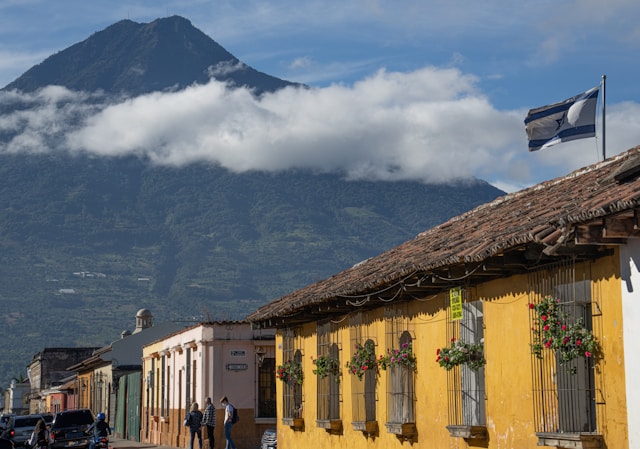
The volcanoes are more than just scenery. Antigua was built in a region shaped by seismic activity, which deeply influenced the city’s history, architecture, and preservation. Earthquakes damaged many of its churches, convents, and civic buildings over the centuries, leaving behind the atmospheric ruins that visitors can still explore today. This connection between beauty and destruction is part of what makes Antigua so historically powerful.
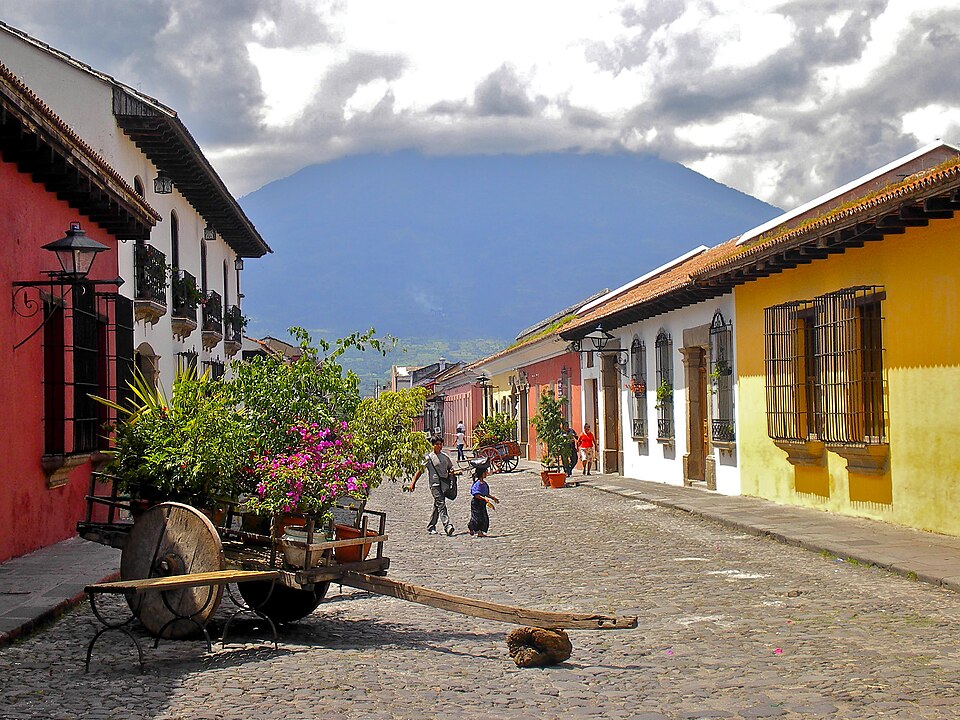
Walking through Antigua means constantly seeing the relationship between the city and its landscape. Cobblestone streets, pastel façades, old bell towers, and ruined churches often open onto views of the surrounding mountains and volcanoes. The result is a destination where nature and colonial architecture feel inseparable.
Exploring Antigua’s Historic Ruins
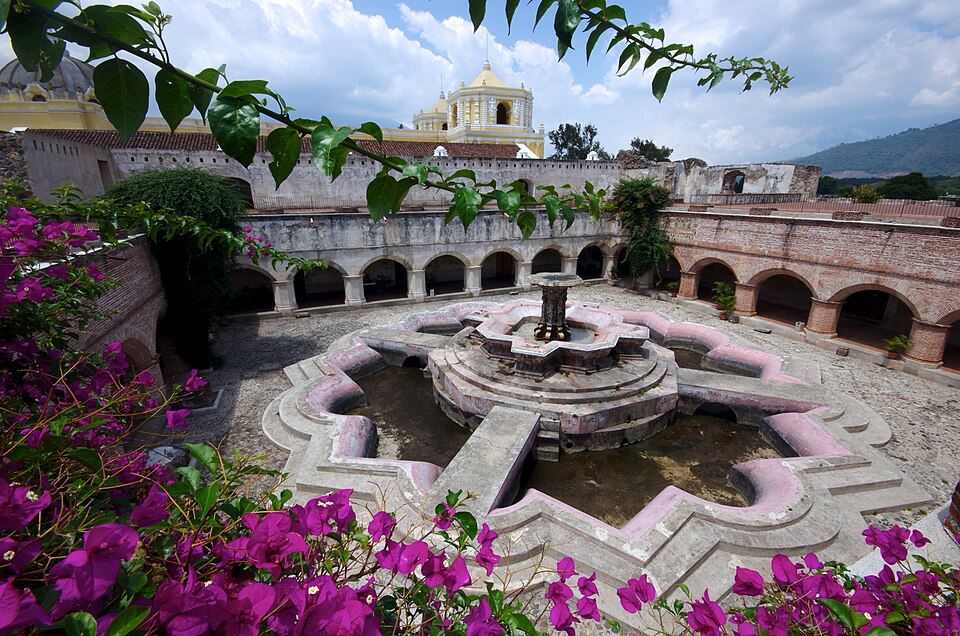
Antigua’s ruins are some of the most memorable parts of the city. Old churches, convents, arches, and crumbling walls remain throughout the historic center, giving visitors a powerful sense of the city’s past. Many of these structures were damaged by earthquakes, but their surviving façades, courtyards, and stone details still show the scale and beauty of colonial Antigua.
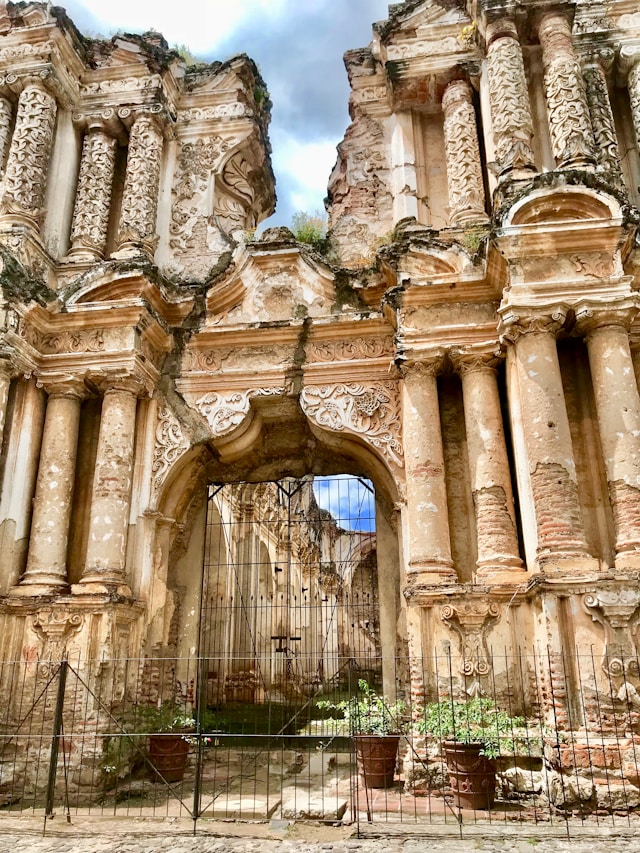
Rather than feeling empty, the ruins help make Antigua feel atmospheric and layered. They remind visitors that the city was once a major colonial capital, shaped by religion, architecture, and repeated natural disasters. Walking among these ruins adds depth to the visit because each structure connects the beauty of the present-day city with the dramatic history that shaped it.
Cobblestone Streets, Colonial Architecture, and the Historic Center
Antigua’s historic center is best experienced on foot. Its cobblestone streets lead past colorful façades, carved wooden doors, shaded courtyards, old churches, convent ruins, cafés, museums, and small plazas. The city follows a colonial grid layout, which makes it easy to explore while still leaving room for quiet corners and unexpected architectural details.
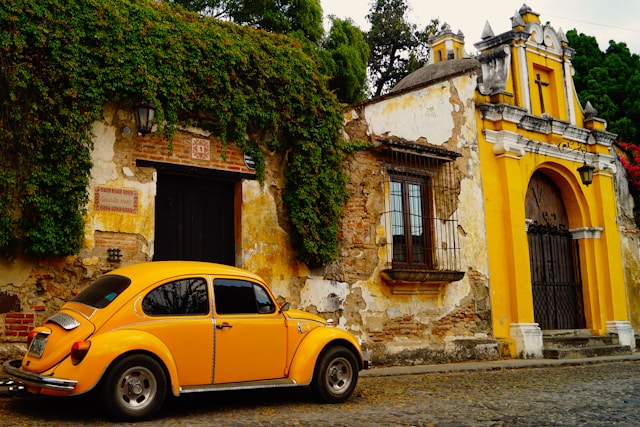
Spanish colonial heritage is visible throughout Antigua. Churches, monasteries, civic buildings, and private homes reflect the city’s importance during the colonial period, when it served as one of the most significant administrative and religious centers in Central America. Even the ruins help tell this story, showing how the city endured earthquakes while preserving much of its historic character.
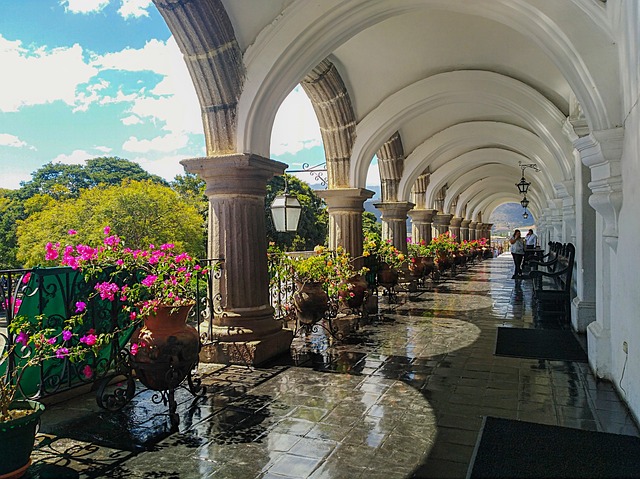
The historic center feels especially rich because many of its landmarks are still woven into daily life. Locals and visitors gather in Parque Central, walk past the cathedral ruins, visit markets, and move through streets where colonial architecture remains part of the living city. Antigua is not only beautiful because of individual monuments, but because the entire old town preserves a strong sense of place.
Culture and Local Traditions
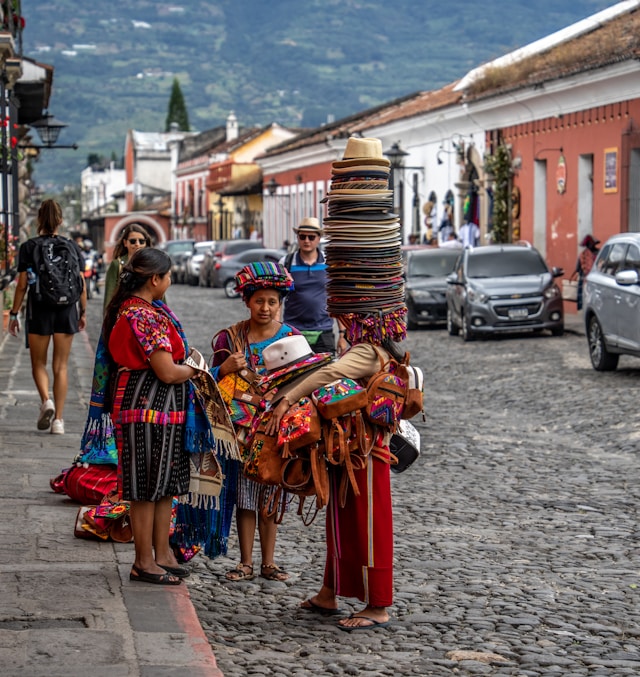
Antigua remains an important cultural center where traditions continue to thrive. Visitors can experience local markets, traditional clothing, religious celebrations, and Guatemalan hospitality throughout the city.
These living traditions help preserve the region’s unique identity while connecting the present with centuries of history.
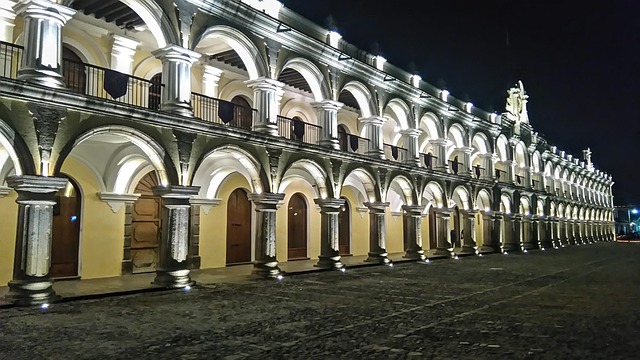
Colonial Architecture After Dark
As evening falls, Antigua takes on a different character. Historic buildings illuminated by warm lights create a peaceful atmosphere that highlights the elegance of the city’s colonial architecture.
Nighttime strolls offer a quieter opportunity to appreciate Antigua’s historic beauty.
One Historical Fact About Antigua Guatemala
One historical fact about Antigua is that the Santa Catalina Arch was originally built to connect two parts of a convent. The arch allowed cloistered nuns to move between buildings without being seen in public, making it both a practical structure and one of the city’s most iconic landmarks today. Its clock tower was added later, helping create the famous view visitors now associate with Antigua.
How to Get to Antigua Guatemala
Most visitors arrive via Guatemala City.
- Guatemala City: approximately 1 hour by car
- La Aurora International Airport: approximately 1 hour by car
- Lake Atitlán: approximately 2.5 to 3 hours by car
- Quetzaltenango: approximately 4 hours by car
Once in Antigua, most attractions can be explored on foot.
Is Antigua Guatemala Worth Visiting?
Antigua Guatemala is worth visiting for travelers interested in history, architecture, culture, photography, and scenic landscapes. Its combination of colonial charm and volcanic surroundings makes it one of Central America’s most captivating destinations.
Final Thoughts
Antigua Guatemala is a city where history and natural beauty come together. From colorful streets and centuries-old architecture to dramatic volcano views and vibrant local traditions, every corner offers something memorable.
Whether you’re exploring Guatemala for the first time or searching for one of Central America’s most beautiful historic cities, Antigua Guatemala deserves a place on your travel list.
Image Credits
- Colonial Street with Volcán de Agua — Photo by mana5280 on Unsplash
- Historic Cupola with Volcán de Agua — Photo by Nathan Cima on Unsplash
- Historic Church Ruins in Antigua Guatemala — Photo by Linda Knicely on Unsplash
- Yellow Colonial Street in Antigua Guatemala — Photo by Emil Diallo on Unsplash
- Traditional Culture in Antigua Guatemala — Photo by mana5280 on Unsplash
- Colonial Cityscape of Antigua Guatemala — Image by anfevelu24 from Pixabay
- Illuminated Colonial Arcade in Antigua Guatemala — Image by Otto Garcia from Pixabay
- Colonial Street with Volcán de Agua — Rigostar, CC BY-SA 3.0, via Wikimedia Commons
- Colonial Architecture in Antigua Guatemala — Adam Baker from Houston / Moscow / Toulouse (travel a lot), CC BY 2.0, via Wikimedia Commons
Sources: UNESCO World Heritage Centre; Visit Centroamérica; World Bank; GPSmyCity

