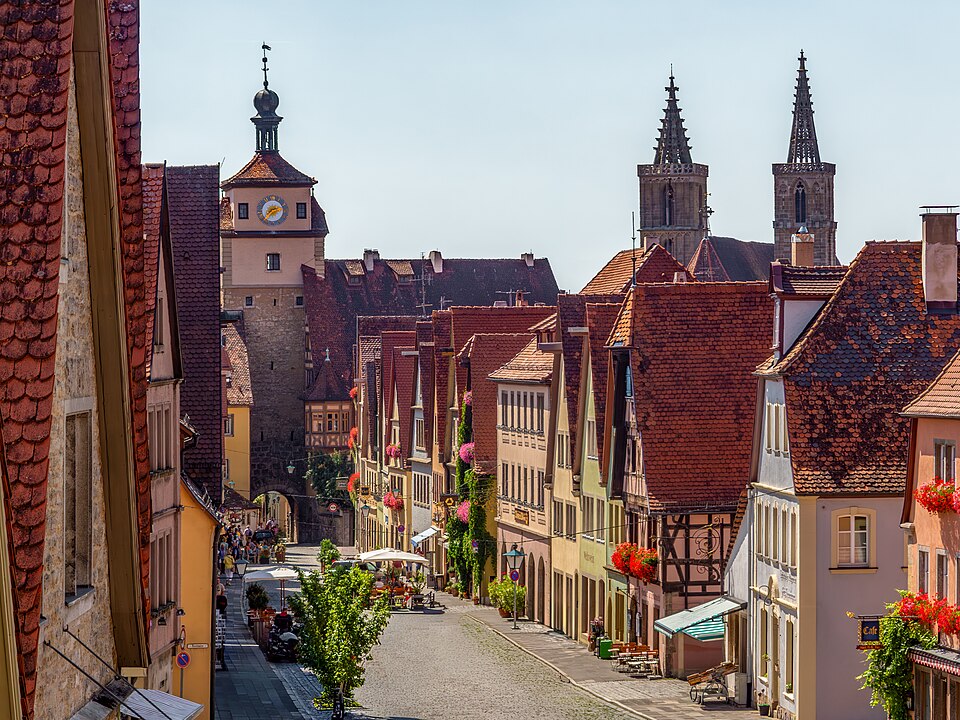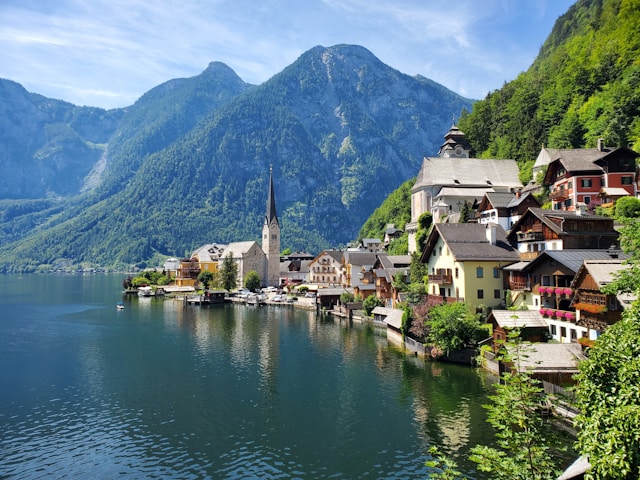
Nestled between the Escambray Mountains and Cuba’s southern coast, Trinidad is one of the best-preserved colonial cities in the Americas. Its cobblestone streets, colorful buildings, historic plazas, and vibrant culture have earned it recognition as a UNESCO World Heritage Site and made it one of Cuba’s most captivating destinations.
Walking through Trinidad feels like stepping back in time. Horse-drawn carriages still travel through the streets, local musicians perform in public squares, and centuries-old architecture remains remarkably intact. Combined with nearby beaches and mountain scenery, Trinidad offers visitors a unique blend of history, culture, and natural beauty.
Quick Facts About Trinidad
| Country | Cuba |
| Province | Sancti Spíritus |
| Founded | 1514 |
| UNESCO Status | World Heritage Site |
| Known For | Colonial Architecture, Cobblestone Streets, Cuban Culture |
| Best Time to Visit | November to April |
| Time Needed | 1–2 Days |
| Elevation | Approximately 80 meters |
Where is Trinidad?
Trinidad is located on Cuba’s southern coast, between the Caribbean Sea and the Escambray Mountains. Its strategic location contributed to its prosperity during the colonial era and today provides visitors with easy access to both historic sites and beautiful beaches.
Why Visit Trinidad?
Trinidad offers one of the most authentic colonial experiences in the Caribbean. The city’s historic center remains largely unchanged from centuries past, with colorful homes, stone streets, and elegant plazas creating a unique atmosphere that is difficult to find elsewhere.
Its combination of history, culture, mountains, and beaches makes Trinidad one of Cuba’s most rewarding destinations.

A Colonial City Built on Sugar and Trade
Founded in 1514 by Spanish conquistador Diego Velázquez de Cuéllar, Trinidad is one of the oldest European settlements in Cuba and among the oldest colonial cities in the Americas. Its strategic location between the Caribbean Sea and the fertile valleys of central Cuba helped transform the city into an important center of trade and agriculture during the Spanish colonial era.

Trinidad’s greatest period of prosperity came during the eighteenth and nineteenth centuries when nearby sugar plantations generated immense wealth for the region. Plantation owners invested their fortunes into elegant homes, churches, plazas, and public buildings, many of which still stand today. The surrounding Valle de los Ingenios became one of the Caribbean’s most productive sugar-producing regions, shaping both the economy and architecture of the city.
The prosperity of this era left a lasting mark on Trinidad’s urban landscape. Ornate mansions, decorative ironwork, colorful facades, and spacious courtyards reflected the wealth of the city’s elite families. While many Caribbean cities underwent extensive modernization, Trinidad remained relatively unchanged, helping preserve its colonial character for future generations.

Today, Trinidad is recognized as one of the best-preserved colonial cities in the Americas. In 1988, UNESCO designated both the Historic Centre of Trinidad and the nearby Valle de los Ingenios as a World Heritage Site. Visitors can still walk the same cobblestone streets, admire centuries-old architecture, and experience a city where history remains visible at every turn.
Exploring the Streets of Trinidad
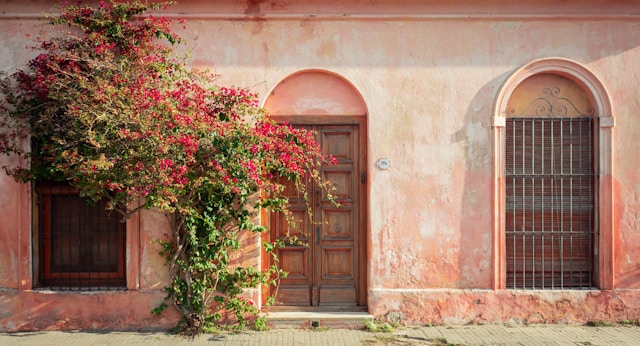
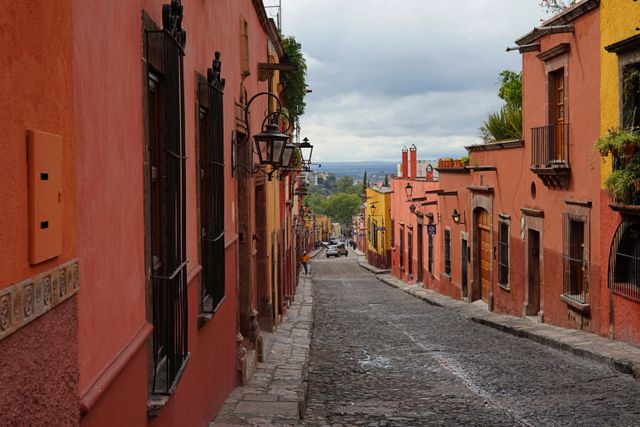
Few places in the Caribbean offer a walking experience as memorable as Trinidad. The city’s historic center is a maze of cobblestone streets, colorful buildings, colonial churches, and lively plazas that have changed little over the centuries. Every corner reveals another glimpse into the city’s remarkable past, whether through weathered facades, traditional wooden doors, or decorative ironwork that reflects Spanish colonial influences.

One of Trinidad’s most striking features is the way its historic architecture blends with the surrounding landscape. From elevated viewpoints, visitors can admire a sea of red-tiled rooftops stretching toward the nearby Escambray Mountains. This dramatic backdrop helps distinguish Trinidad from many other colonial cities in the Caribbean and creates some of Cuba’s most iconic views.
The city’s heart is centered around Plaza Mayor, a historic square surrounded by museums, churches, and former colonial residences. This area serves as an excellent starting point for exploration, allowing visitors to experience many of Trinidad’s most important landmarks within a short walking distance.

As visitors wander through the city, they encounter colorful homes painted in shades of yellow, blue, green, and pink. Horse-drawn carriages travel alongside pedestrians, musicians perform in public spaces, and local residents gather on doorsteps and plazas. These scenes contribute to an atmosphere that feels both historic and alive.
Unlike many preserved historic districts that function primarily as tourist attractions, Trinidad remains a living city where daily life unfolds against a backdrop of centuries-old architecture. This authenticity is one of the reasons why travelers often consider Trinidad one of Cuba’s most rewarding destinations.
Mansions, Courtyards, and Colonial Elegance
The wealth generated by the sugar industry left a lasting architectural legacy throughout Trinidad. During the city’s most prosperous years, wealthy plantation owners constructed impressive mansions that showcased their success through elaborate facades, decorative balconies, and spacious interior courtyards.

Many of these historic residences remain remarkably well preserved. Their thick walls, tiled roofs, wooden doors, and ornamental details provide valuable insight into colonial life in Cuba during the eighteenth and nineteenth centuries. Walking through these neighborhoods allows visitors to appreciate the craftsmanship and design that defined the city’s golden age.
Several of Trinidad’s most important museums are housed within former colonial mansions. These institutions not only preserve local history but also allow visitors to explore rooms, courtyards, and architectural features that have survived for generations. Interior courtyards were particularly important in Caribbean architecture, providing shade, ventilation, and private gathering spaces within family homes.
Decorative ironwork remains one of the city’s most distinctive architectural elements. Balconies, window grilles, and gates display intricate designs that continue to define Trinidad’s visual character. Combined with colorful facades and cobblestone streets, these details help create the timeless atmosphere that attracts visitors from around the world.

Today, Trinidad’s architectural heritage remains one of its greatest treasures. Preservation efforts have ensured that future generations can continue to experience one of the Caribbean’s finest examples of a colonial city.
These historic spaces remain among the city’s most fascinating attractions.
Music and Local Culture
Music is woven into everyday life in Trinidad. Visitors frequently encounter local musicians performing traditional Cuban songs in plazas, restaurants, and public spaces throughout the city.
These performances contribute to Trinidad’s lively atmosphere and provide an authentic cultural experience.

Horse-Drawn Carriages and Daily Life
Unlike many modern cities, horse-drawn carriages remain a common sight in Trinidad. They serve both locals and visitors while adding to the city’s historic character.
The slower pace of life allows travelers to appreciate the city’s unique charm and traditions.

Beyond the Historic Center
Trinidad’s appeal extends beyond its historic streets. Nearby beaches along Cuba’s southern coast offer opportunities to relax by the Caribbean Sea after a day of sightseeing.
The combination of culture and coastal scenery makes Trinidad an excellent destination for a longer stay.

One Historical Fact
Many homes in Trinidad feature decorative wrought-iron window grilles known as rejas. During the colonial era, these ornate ironwork designs allowed residents to observe street life while remaining sheltered from the Caribbean sun and tropical rains. Today, they remain one of Trinidad’s most distinctive architectural features and can be seen throughout the historic center.
How to Get to Trinidad
Most visitors arrive from other major destinations in Cuba.
- Havana: approximately 4 to 5 hours by car
- Cienfuegos: approximately 1.5 hours by car
- Santa Clara: approximately 2 hours by car
- Varadero: approximately 4 hours by car
The historic center is best explored on foot.
Is Trinidad Worth Visiting?
Trinidad is worth visiting for travelers interested in history, architecture, culture, photography, and authentic Cuban experiences. Its preserved colonial character and vibrant atmosphere make it one of the Caribbean’s most remarkable destinations.
Final Thoughts
Trinidad offers a rare opportunity to experience a city where history remains part of everyday life. From cobblestone streets and colonial mansions to live music and Caribbean beaches, the city delivers a memorable blend of culture and beauty.
Whether you’re exploring Cuba for the first time or searching for one of the Caribbean’s most fascinating historic cities, Trinidad deserves a place on your travel list.
Image Credits
- Panoramic View of Trinidad and the Escambray Mountains — Photo by Martin Kleppe on Unsplash
- Rooftop View of Trinidad and the Escambray Mountains — PLBechly, CC BY-SA 4.0, via Wikimedia Commons
- Colonial Street in Trinidad — Image by Greg Montani from Pixabay
- Historic Architecture in Trinidad — Image by Gitti Lohr from Pixabay
- Colonial Mansion in Trinidad — Image by Peter. Han from Pixabay
- Courtyard of the Municipal History Museum — Kate Perez, CC BY-SA 4.0, via Wikimedia Commons
- Local Musicians Performing in Trinidad — Rômulo Ferreira, CC BY 2.0, via Wikimedia Commons
- Horse Carriage in Trinidad — Marc-Lautenbacher, CC BY-SA 4.0, via Wikimedia Commons
- Historic Plaza in Trinidad — Hyppolyte de Saint-Rambert, CC BY-SA 4.0, via Wikimedia Commons
- Caribbean Beach Near Trinidad — Rômulo Ferreira, CC BY 2.0, via Wikimedia Commons
Sources: UNESCO World Heritage Centre; Encyclopaedia Britannica; Cuba Travel