Few places in the world feel as timeless as Matera. Rising from the rugged landscapes of southern Italy, this remarkable city is famous for its ancient cave dwellings, labyrinthine stone streets, and dramatic hillside setting. Known as the “City of Stones,” Matera offers visitors the rare opportunity to explore a place where human history stretches back thousands of years.
So, this guide covers the best things to do in Matera, along with tips on how to get there and when to visit Matera.
Located in the Basilicata region, Matera is one of the oldest continuously inhabited settlements on Earth. Its iconic Sassi districts—networks of homes, churches, and passageways carved directly into limestone cliffs—have become symbols of resilience, cultural heritage, and architectural ingenuity.
Today, Matera is recognized as a UNESCO World Heritage Site and attracts travelers from around the world who come to experience its extraordinary history, stunning scenery, and unique atmosphere.
Quick Facts About Matera
| Fact | Details |
|---|---|
| Country | Italy |
| Region | Basilicata |
| Known For | Ancient cave dwellings, Sassi districts, rock churches |
| UNESCO Status | UNESCO World Heritage Site (1993) |
| Founded | Prehistoric Era |
| Best Time to Visit | April to June, September to October |
| Time Needed | 1–2 Days |
| Continent | Europe |
Where Is Matera?
Matera is located in the Basilicata region of southern Italy, approximately 65 kilometers from Bari and the Adriatic coast. The city sits atop a rocky plateau overlooking a deep ravine known as the Gravina di Matera.
Its strategic location provided natural protection and access to water sources, helping early communities establish settlements here thousands of years ago. Over centuries, residents adapted to the challenging terrain by carving homes, churches, and entire neighborhoods directly into the limestone landscape.
Today, Matera stands as one of Italy’s most unique destinations, offering visitors a fascinating blend of natural scenery and human history.
Why Visit Matera?
Matera offers an experience unlike anywhere else in Europe.
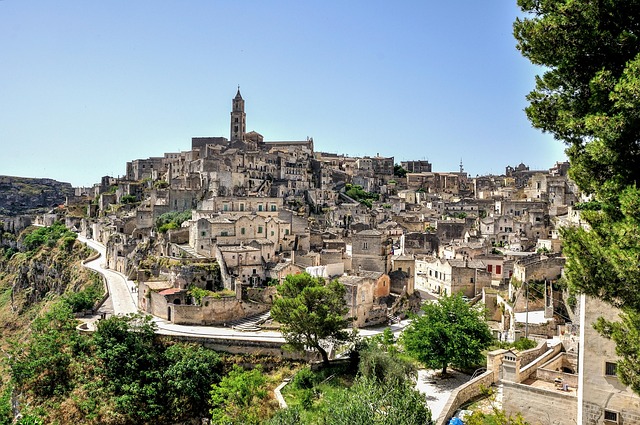
Its ancient cave dwellings, known as the Sassi, create a cityscape that appears frozen in time. Visitors can wander through winding alleys, discover hidden courtyards, explore centuries-old churches, and enjoy breathtaking viewpoints overlooking the historic districts.
The city’s distinctive appearance has made it a popular filming location for international movies and television productions. Walking through Matera often feels like stepping into another era, where modern life exists alongside ancient traditions and architecture.
Beyond its history, Matera also offers exceptional cuisine, welcoming hospitality, and stunning landscapes that make it one of Italy’s most rewarding destinations.
Suggested Image:
- matera-italy-featured-sassi-panorama
A City Older Than History Itself
Matera’s origins stretch back to prehistoric times, making it one of the world’s oldest continuously inhabited cities.
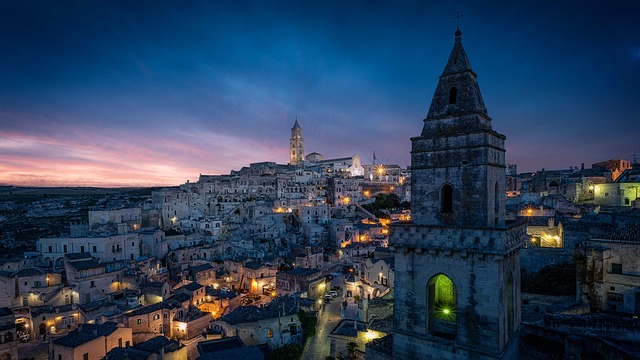
Archaeological evidence suggests that people have lived in the area for thousands of years, taking advantage of the natural caves found within the limestone cliffs. Over time, these caves evolved into homes, workshops, religious sites, and entire neighborhoods.
The city’s development reflects humanity’s remarkable ability to adapt to its environment. Rather than constructing buildings above the landscape, generations of residents worked with the rock itself, carving out spaces that provided shelter and protection.
Throughout the centuries, Matera passed through the hands of various civilizations, including the Romans, Byzantines, Lombards, and Normans. Each left its mark on the city’s architecture, culture, and traditions.
Today, Matera’s extraordinary historical significance continues to attract scholars, archaeologists, and travelers eager to explore one of humanity’s oldest urban settlements.
The Remarkable Story of the Sassi
The heart of Matera lies within the Sassi districts.
These historic neighborhoods consist of homes, staircases, tunnels, cisterns, and public spaces carved directly into the limestone cliffs. The result is a breathtaking urban landscape unlike any other in the world.
For centuries, families lived within these cave dwellings, creating a complex and interconnected community adapted to the region’s harsh environment. Rainwater collection systems, underground chambers, and carefully designed layouts allowed residents to thrive despite limited resources.
Today, many of the former cave homes have been restored and transformed into museums, hotels, restaurants, and cultural attractions. Visitors can step inside these spaces to better understand daily life in Matera throughout the centuries.
The Sassi are not simply historical monuments—they remain living neighborhoods that continue to evolve while preserving their extraordinary heritage.
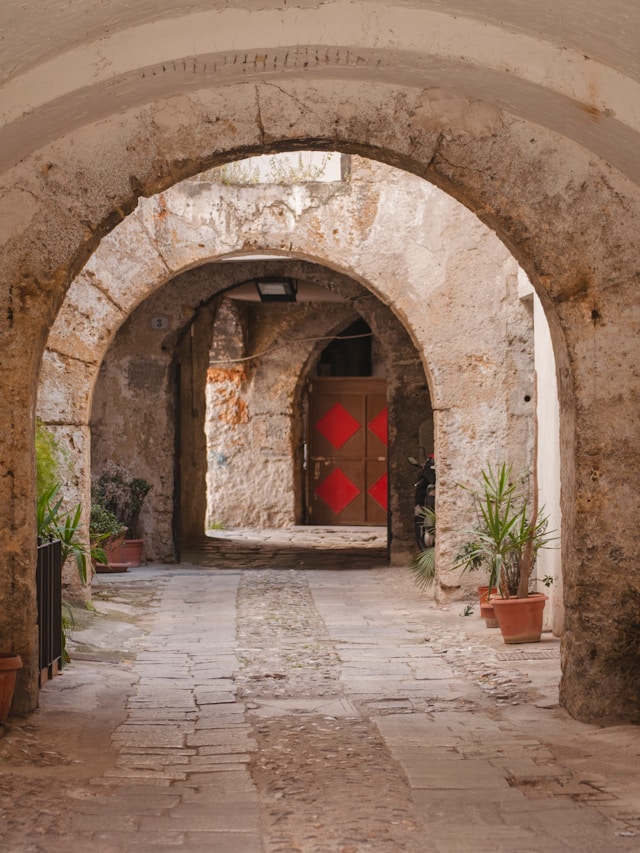
Through the Stone Streets of Matera
One of the greatest pleasures of visiting Matera is simply exploring its streets.
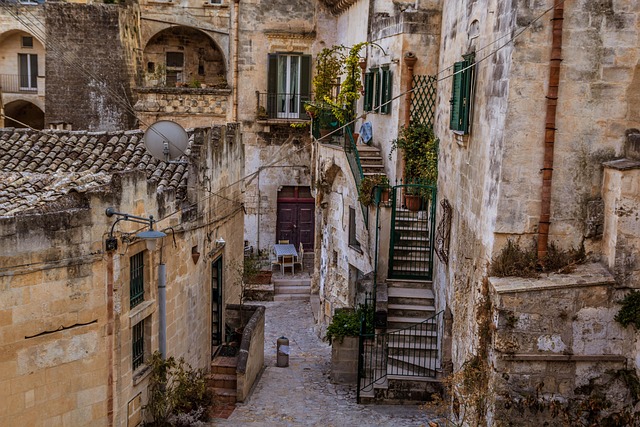
Narrow passageways wind through the city, connecting terraces, staircases, courtyards, and viewpoints. Around every corner lies another discovery: a hidden archway, a centuries-old doorway, or a panoramic view overlooking the Sassi below.
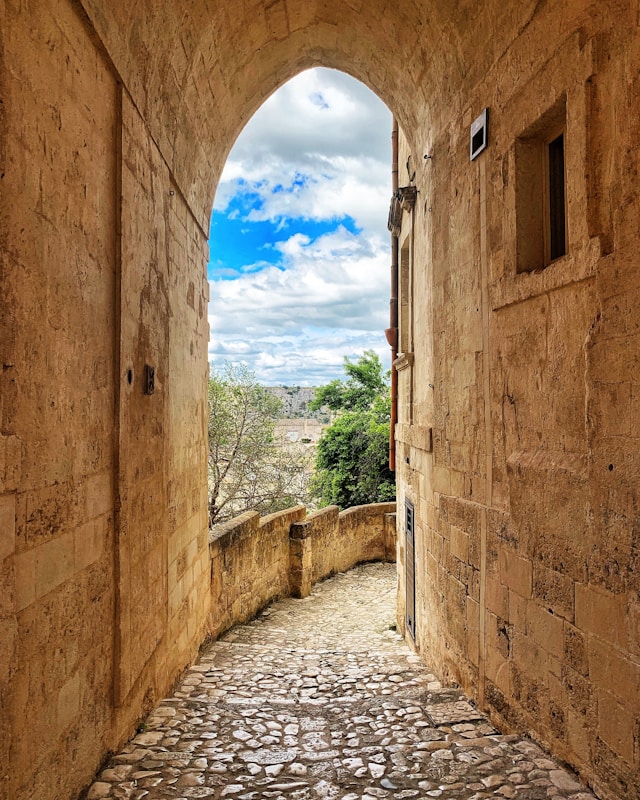
The city’s layout reflects generations of adaptation to the landscape. Rather than following a traditional urban plan, Matera developed organically, creating a maze-like environment that rewards curiosity and exploration.
Walking through the historic center allows visitors to experience the atmosphere that makes Matera so memorable. The sound of footsteps on stone pathways, the sight of sunlight reflecting off limestone walls, and the constant presence of history create a truly unique experience.
Faith Carved into the Limestone
Religion has played a central role in Matera’s history for centuries.
Scattered throughout the city and surrounding countryside are numerous rupestrian churches—places of worship carved directly into the rock. Many contain ancient frescoes, religious artwork, and architectural features that reveal the spiritual traditions of the communities that once worshipped there.
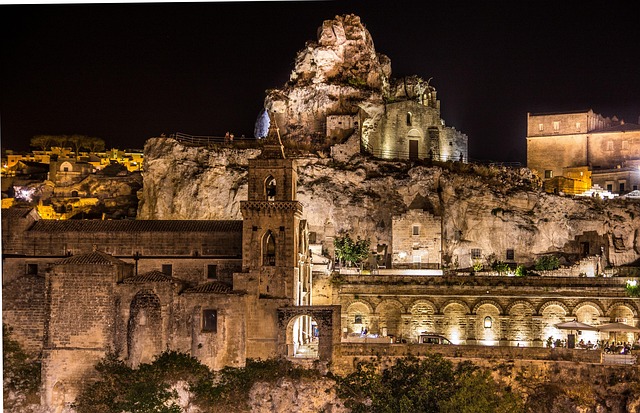
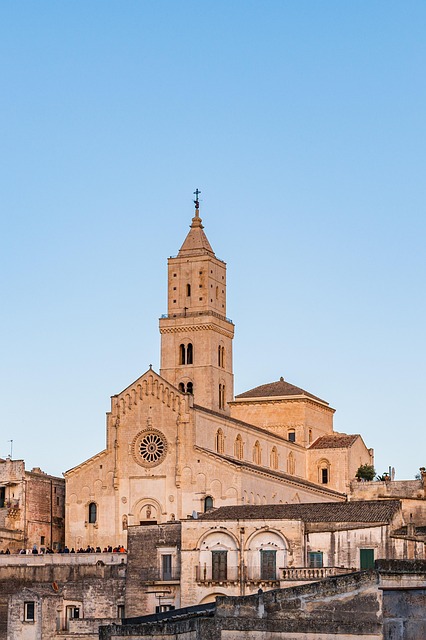
Among the city’s most prominent landmarks is Matera Cathedral, which rises above the Sassi and dominates the skyline. Built during the thirteenth century, the cathedral remains one of the city’s most important architectural and religious monuments.
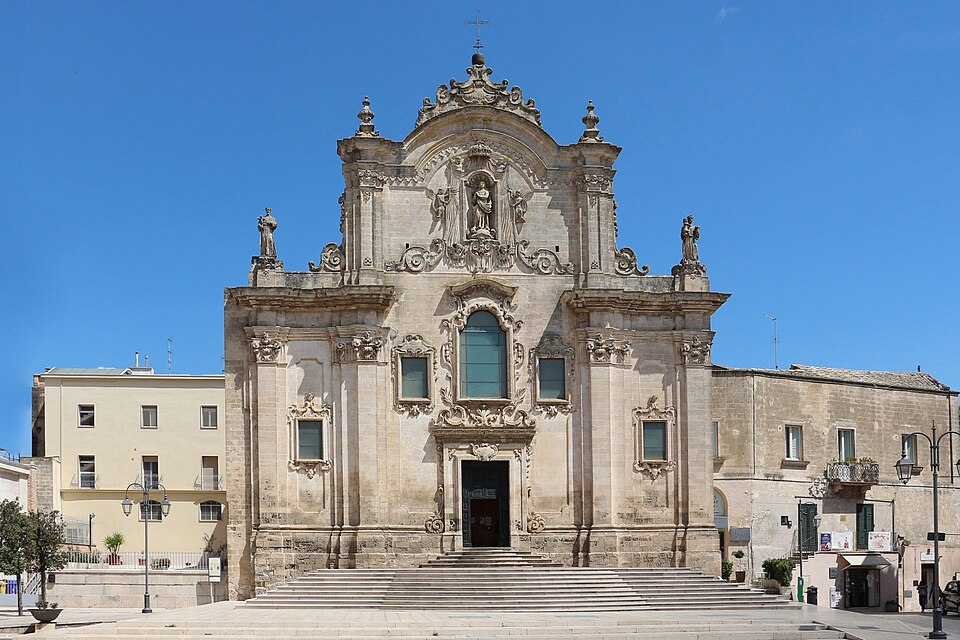
The Church of San Francesco d’Assisi is another significant landmark, reflecting Matera’s rich cultural and spiritual heritage. Together, these religious sites showcase the deep connections between faith, community, and daily life throughout the city’s long history.
From Forgotten City to UNESCO Treasure
For much of the twentieth century, Matera faced significant challenges.
Living conditions within many cave dwellings deteriorated, leading authorities to relocate thousands of residents to newer neighborhoods during the 1950s. For a time, the historic districts were largely abandoned and viewed as symbols of poverty.
However, attitudes gradually changed as historians, architects, and preservationists recognized the immense cultural value of the Sassi. Restoration efforts helped revive the city and transform it into one of Italy’s most celebrated heritage destinations.
In 1993, UNESCO designated the Sassi and the Park of the Rupestrian Churches of Matera as a World Heritage Site. The recognition highlighted Matera’s global significance and helped ensure the preservation of its unique historical landscape.
Today, Matera stands as a remarkable example of successful cultural preservation and urban renewal.
One Historical Fact About Matera
Matera’s Sassi districts were designated a UNESCO World Heritage Site in 1993 because they represent one of the world’s most outstanding examples of a settlement that has continuously adapted to its natural environment over thousands of years.
How to Get to Matera
- Bari to Matera: approximately 1 hour by car
- Regular train and bus services connect Bari and Matera
- The nearest airport is Bari Karol Wojtyła Airport (BRI)
- Matera can be visited as a day trip, but an overnight stay is highly recommended
- Guided tours are widely available throughout the city
Is Matera Worth Visiting?
Absolutely.
Matera offers a rare combination of ancient history, stunning architecture, cultural significance, and unforgettable scenery. Its cave dwellings, rock churches, and maze-like streets create an atmosphere unlike anywhere else in Europe.
Whether you’re interested in archaeology, architecture, photography, history, or simply exploring one of Italy’s most unique destinations, Matera delivers an extraordinary experience.
Final Thoughts on Matera
Matera is more than a city—it is a living record of human history.
From its prehistoric origins and cave dwellings to its magnificent churches and UNESCO-protected neighborhoods, every corner of Matera tells a story. The city’s ability to preserve its past while embracing the future has transformed it into one of Italy’s greatest cultural treasures.
For travelers seeking a destination that feels both ancient and timeless, Matera remains one of the most remarkable places in the world.
Image Credits
- Panoramic View of the Sassi Districts — Image by renzo lapina from Pixabay
- Matera at Twilight — Image by blank76 from Pixabay
- Streets of the Sassi — Image by chatst2 from Pixabay
- Matera Cathedral — Image by BÙI VĂN HỒNG PHÚC from Pixabay
- Rock Churches and Sacred Heritage — Image by chatst2 from Pixabay
- Hidden Passageways of Matera — Photo by Federico Pierri on Unsplash
- Arches of the Sassi — Photo by Juli Kosolapova on Unsplash
- San Francesco d’Assisi Church — Bernard Gagnon, CC BY 4.0, via Wikimedia Commons
.jpg)
Sources: UNESCO World Heritage Centre; Italia.it; Encyclopaedia Britannica; Matera 2019 Foundation.