
In the highlands of central Brazil, stone-paved streets climb past white colonial houses with brightly painted doors and windows. Around the town, rivers tumble over rocks into clear pools surrounded by forest. This is Pirenópolis, a former gold mining town that has become one of Brazil’s favourite weekend escapes. In this guide, you will discover what to see in Pirenópolis, Brazil, how to get there and when to visit.
Quick Facts About Pirenópolis, Brazil
| Country | Brazil |
| Region | State of Goiás, Central-West Brazil |
| Known For | Colonial architecture, waterfalls, silver crafts and the Cavalhadas festival |
| UNESCO Status | Not listed (protected as a national heritage site in Brazil) |
| Founded | 1727, as a gold mining settlement |
| Best Time to Visit | May to September (dry season) |
| Time Needed | Two to three days |
| Continent | South America |
Where Is Pirenópolis, Brazil?
Pirenópolis is a historic town in the state of Goiás, in Central-West Brazil. It lies about 120 kilometres from Goiânia, the state capital, and around 150 kilometres from Brasília, the national capital. The town sits on the Rio das Almas, at the foot of the Serra dos Pireneus.
Why Visit Pirenópolis, Brazil?
First of all, Pirenópolis is one of the best-preserved colonial towns in central Brazil. Its streets, churches and houses still reflect its 18th century gold rush. In addition, the town has a relaxed, creative atmosphere, with cafés, craft shops and restaurants.
Moreover, nature is never far away. Dozens of waterfalls, hiking trails and nature reserves surround the town. As a result, Pirenópolis combines history and outdoor adventure in one easy trip.
The Colonial Centre
The historic centre is small, so you can explore it comfortably on foot.
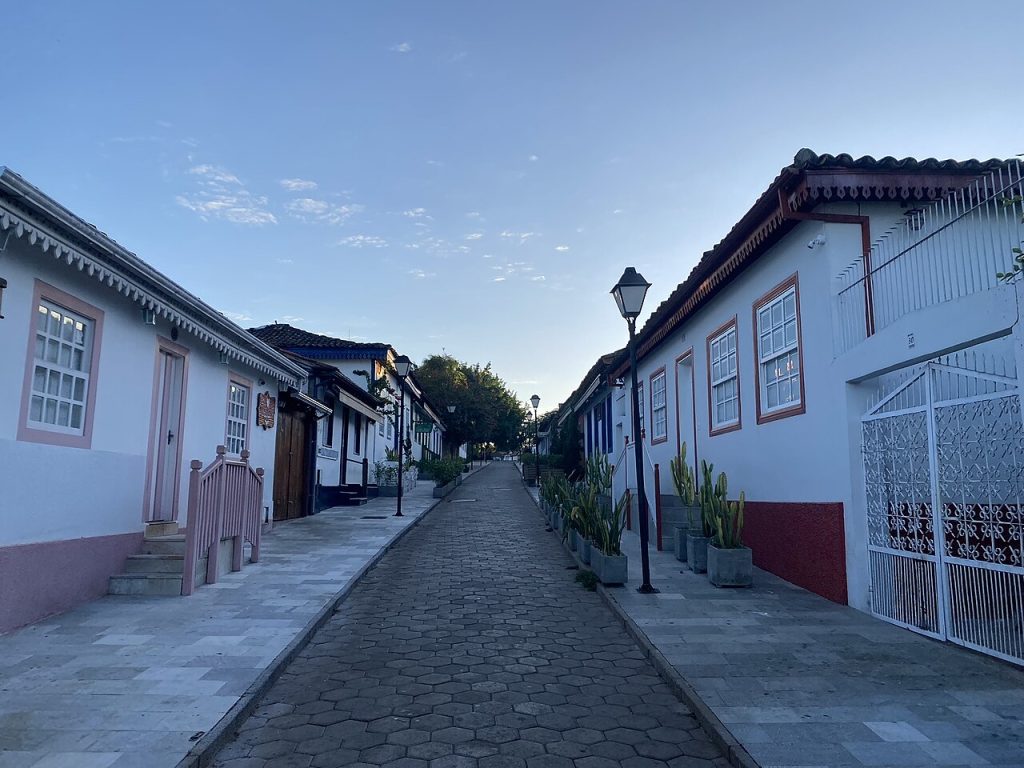
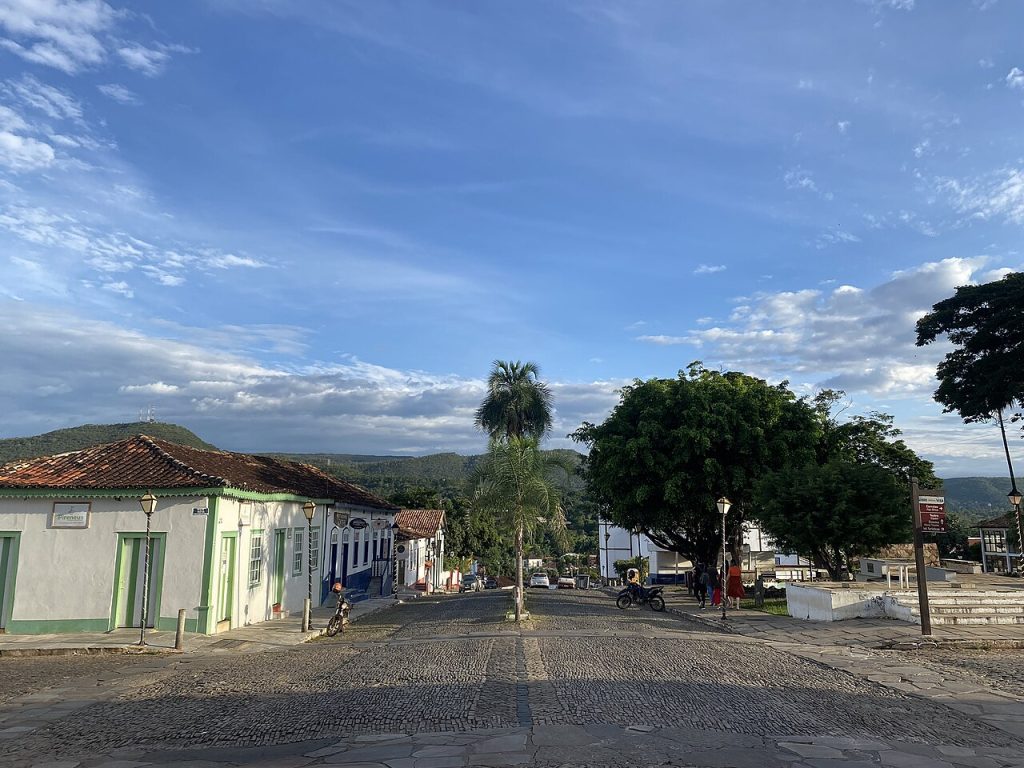
Stone Streets and White Houses
Most houses are single-storey, with white walls and colourful wooden doors and windows. The streets are paved with local stone, which gives the town a warm, rustic feel.
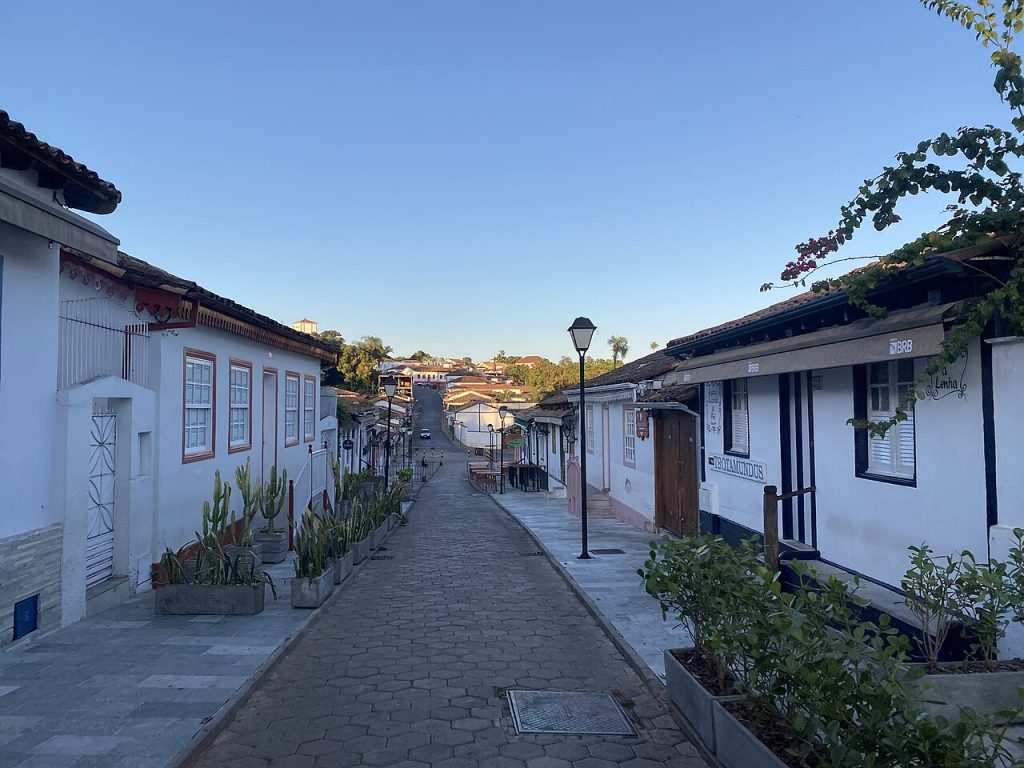
Igreja Matriz Nossa Senhora do Rosário
The main church, the Igreja Matriz Nossa Senhora do Rosário, dates from the early 18th century. In 2002, a fire badly damaged it. However, it has since been restored and remains the symbol of the town.
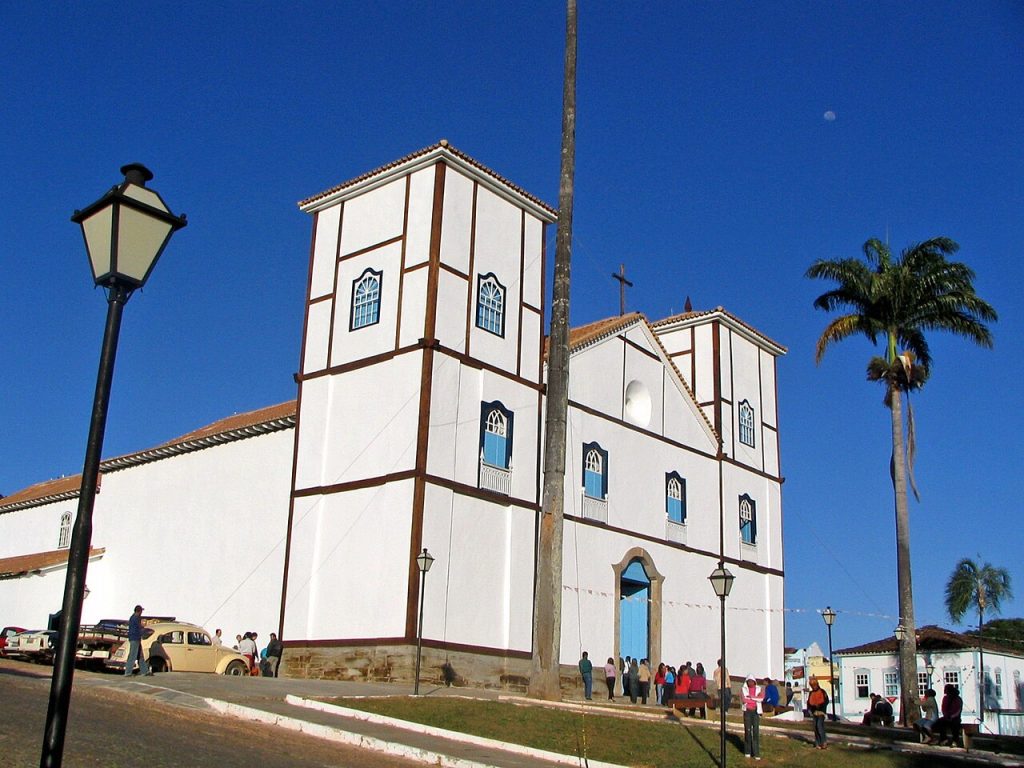
Rua do Rosário
Rua do Rosário is the liveliest street in town. In the evening, its restaurants and bars fill with visitors, especially at weekends.
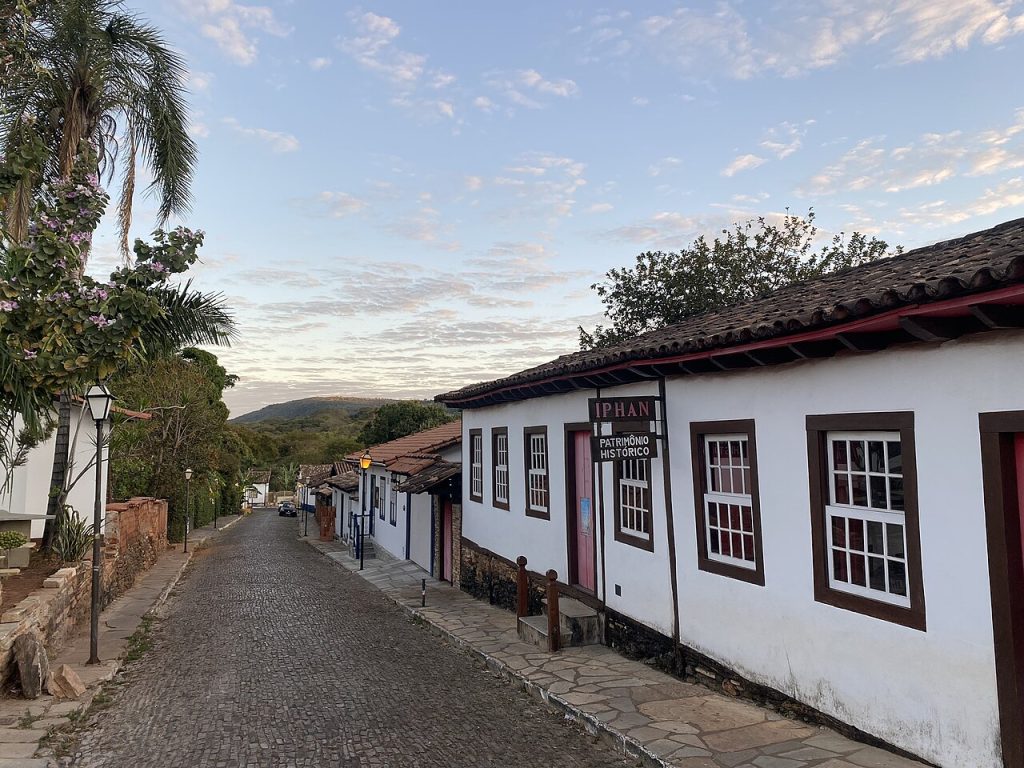
Crafts, Food and Festivals
Pirenópolis is known for its silver jewellery workshops, where artisans create rings, earrings and pendants by hand. In addition, local shops sell ceramics, textiles and sweets.
The town’s festivals are famous across Brazil. The Festa do Divino Espírito Santo takes place 45 days after Easter. Its highlight is the Cavalhadas, introduced in 1826, in which horsemen in colourful costumes recreate a battle between Moors and Christians. Meanwhile, masked riders called mascarados roam the streets.
Waterfalls and Nature
The hills around Pirenópolis are full of waterfalls, many on private land with small entrance fees.
Cachoeira do Abade
A Classic Waterfall Walk
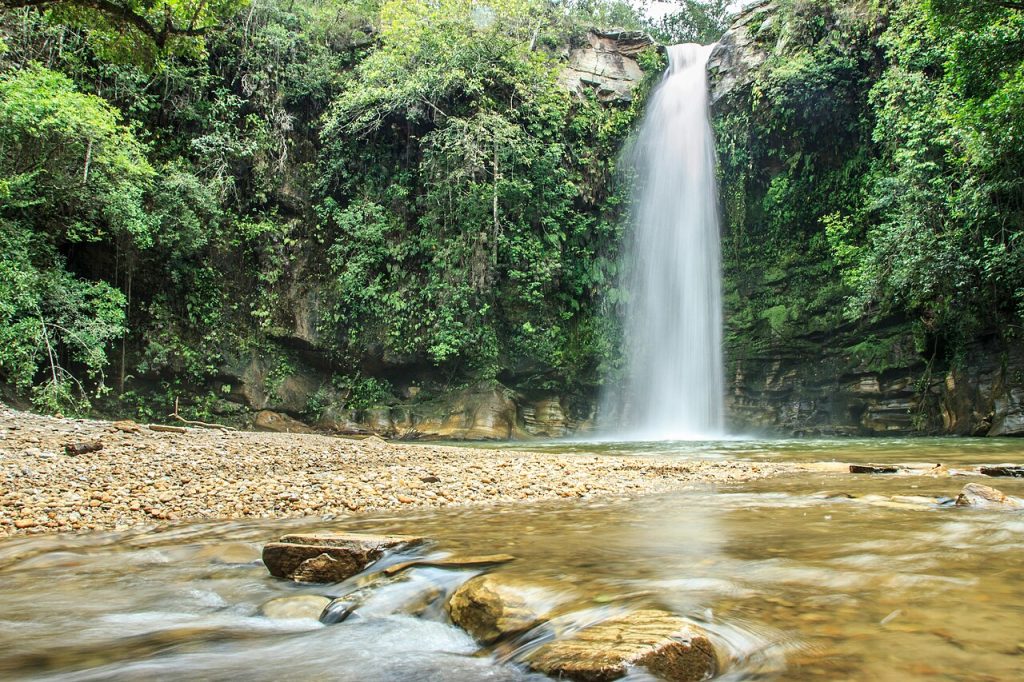
Cachoeira do Abade is one of the most visited falls, reached by a scenic trail through the Cerrado.
Swimming Holes
Its clear pools are perfect for a refreshing swim on a hot day.
Serra dos Pireneus
Pico dos Pireneus
The Pico dos Pireneus offers wide views over the region, especially at sunset.
Nature Reserves
Nearby reserves protect forest and Cerrado landscapes, with trails for walking and wildlife spotting.
One Historical Fact About Pirenópolis, Brazil
Pirenópolis was founded in 1727 as Minas de Nossa Senhora do Rosário de Meia Ponte, after Portuguese settlers found gold in the Rio das Almas. Later, the town took its present name from the nearby Serra dos Pireneus, whose peaks reminded settlers of the Pyrenees.
How to Get to Pirenópolis, Brazil
By car: Pirenópolis is about a two to three hour drive from Brasília or Goiânia.
By bus: Buses run to Pirenópolis from both Brasília and Goiânia.
By air: The nearest major airports are in Brasília and Goiânia.
Best Time to Visit Pirenópolis, Brazil
The best time to visit Pirenópolis is during the dry season, from May to September, when trails are easier and skies are clear. However, the waterfalls are fuller during the rainy season, from October to April. For festival lovers, the Festa do Divino, around May or June, is a highlight.
Is Pirenópolis, Brazil Worth Visiting?
Yes, Pirenópolis is worth visiting. Its colonial streets, lively festivals and nearby waterfalls make it a perfect break from Brasília or Goiânia. Furthermore, it offers a side of Brazil that many international travellers miss.
Final Thoughts
Pirenópolis blends colonial history with natural beauty. With its stone streets, restored church, silver workshops and refreshing waterfalls, it rewards travellers who venture inland. Whether you come for a festival or a quiet weekend, Pirenópolis, Brazil will win you over.
Image Credits
Wikimedia Commons
- Historic Centre of Pirenópolis: Photo by Marcosviniciusrs via Wikimedia Commons (CC BY-SA 4.0)
- Street in the Historic Centre: Photo by Marcosviniciusrs via Wikimedia Commons (CC BY-SA 4.0)
- Igreja Matriz of Pirenópolis: Photo by Maurocruz via Wikimedia Commons (CC BY-SA 3.0)
- Colonial Houses in Pirenópolis: Photo by Marcosviniciusrs via Wikimedia Commons (CC BY-SA 4.0)
- Square in Pirenópolis: Photo by Marcosviniciusrs via Wikimedia Commons (CC BY 4.0)
- Cachoeira do Abade: Photo by Tiago Caramuru via Wikimedia Commons (CC BY-SA 3.0)