On the coast of West Africa, a small town holds some of the most moving history on the continent. Here, a sandy road leads from the old town to a memorial arch facing the Atlantic, while drums and sacred pythons speak to a living spiritual tradition. This is Ouidah, often called the spiritual capital of Vodun. In this guide, you will learn what to see, how to get there and when to visit.
Quick Facts About Ouidah, Benin
| Country | Benin |
| Region | Atlantique Department, southern coast |
| Known For | The Route des Esclaves, Vodun culture and the Temple of Pythons |
| UNESCO Status | On UNESCO’s Tentative List since 1996 |
| Founded | Probably in the late 16th century |
| Best Time to Visit | November to February |
| Time Needed | One to two days |
| Continent | Africa |
Where Is Ouidah, Benin?
Ouidah lies on the Atlantic coast of Benin, in the Atlantique Department. In fact, it sits roughly 40 kilometers west of Cotonou, the country’s largest city.
The old town stands a few kilometers inland, while a long road leads south to the beach. As a result, a visit usually combines the town center with the coast.
Why Visit Ouidah, Benin?
First of all, Ouidah is a place of deep historical importance. For centuries, it was one of the busiest ports of the Atlantic slave trade, and its memorials honor the millions of people who suffered.
In addition, the town is the spiritual home of Vodun. Temples, shrines and festivals are part of everyday life here. Therefore, it offers a rare chance to learn about a religion that is often misunderstood.
Finally, Ouidah is welcoming and full of color. Murals, markets and colonial buildings make it a rewarding place to explore on foot.
The Route des Esclaves
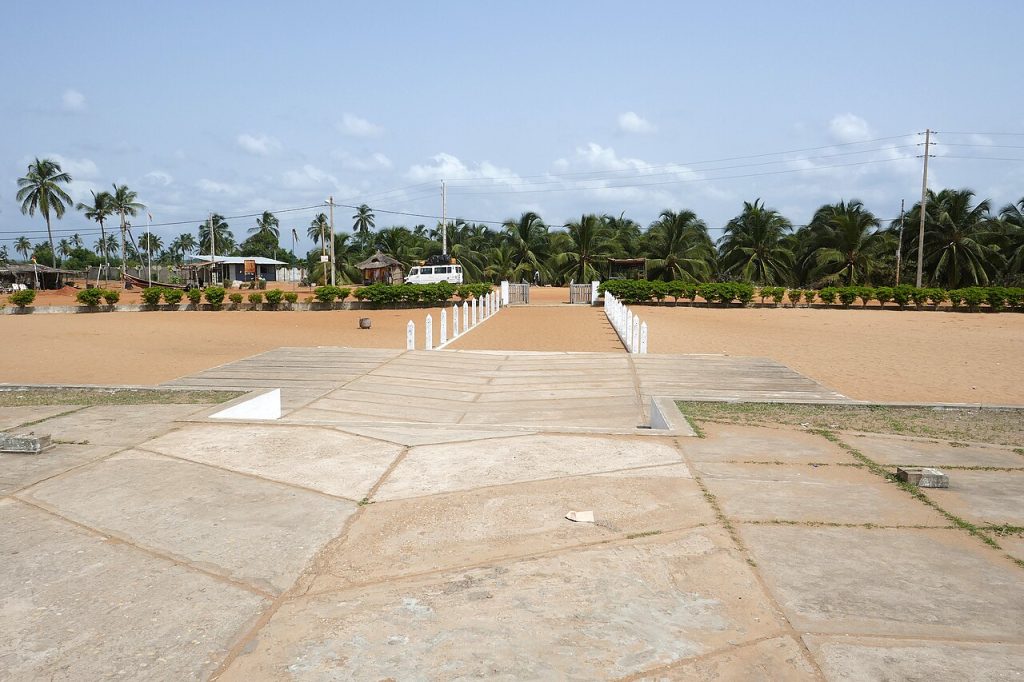
The Route des Esclaves, or Slave Route, is the path that enslaved people were forced to walk from the town to the beach. Today, the last 4 kilometers of the route are lined with memorials. Consequently, walking it is a powerful and reflective experience.
From the Auction Square to the Tree of Forgetting
The route begins at the square where captives were once sold. Along the way, you will pass the Tree of Forgetting. According to tradition, men were made to circle it nine times and women seven times, so that they would forget their homeland.
Memorials Along the Way
Further on, the Zoungbodji Memorial marks a mass grave. Similarly, the Tree of Return symbolizes the hope that the spirits of the departed would one day come home.
The Door of No Return
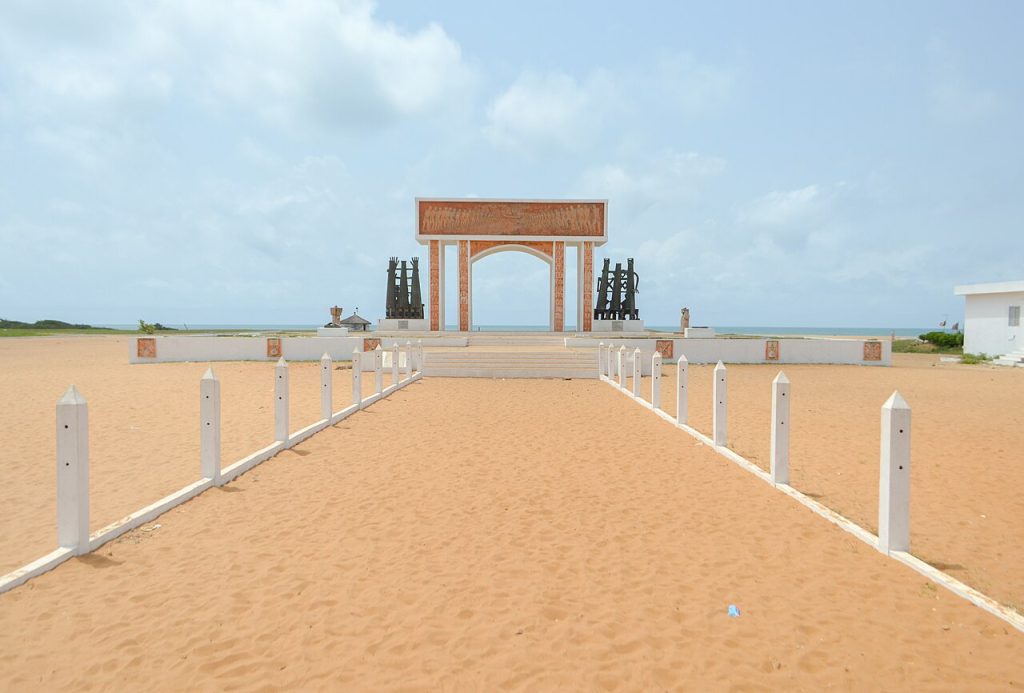
At the end of the route, the Door of No Return stands on the beach. Built in the late 1990s, the memorial arch faces the ocean, with figures and symbols on its walls. Above all, it is a place for quiet reflection.
Vodun Culture in Ouidah, Benin
Ouidah is widely considered the spiritual capital of Vodun, a religion that honors ancestors and natural spirits. Moreover, it hosts an annual international gathering for Vodun followers.
The Temple of Pythons
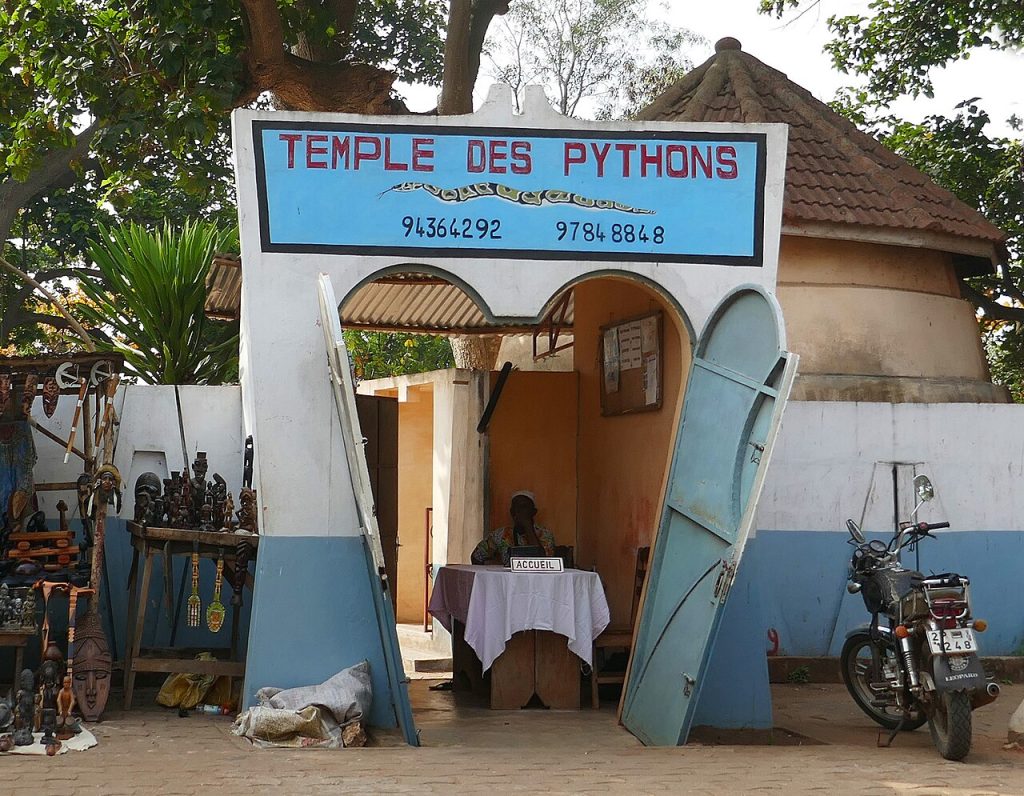
The Temple of Pythons is one of the most famous sites in town. It is home to dozens of pythons, which are seen as protectors in Vodun. According to legend, the temple dates back to the 18th century. In fact, visitors are often invited to hold one of the gentle snakes.
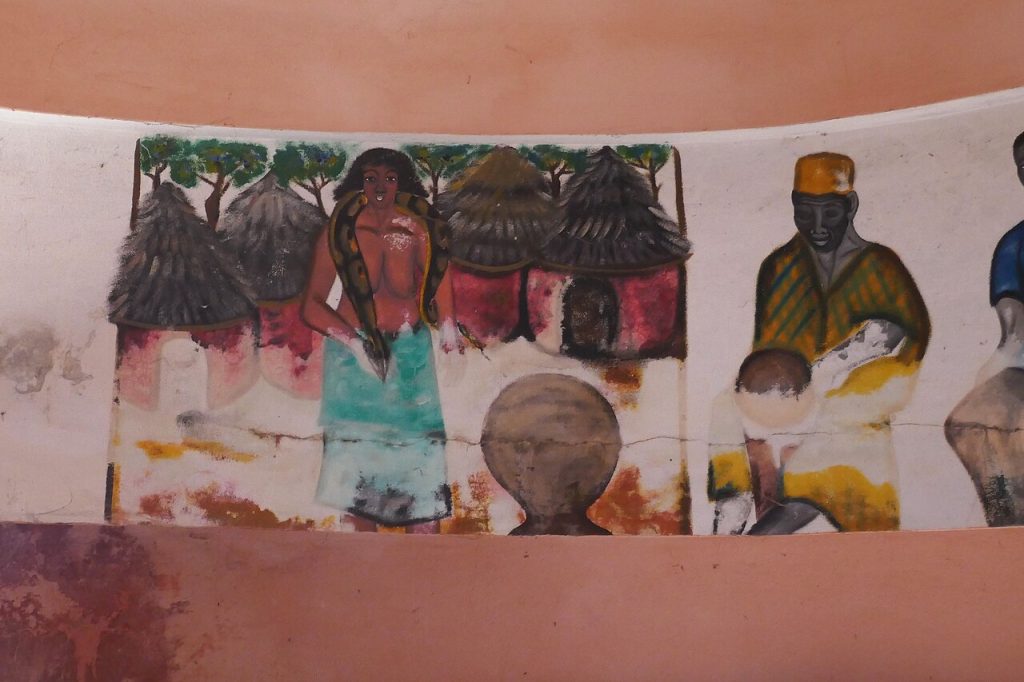
Inside, painted frescoes show scenes from Vodun belief. Meanwhile, the temple faces the Basilica of the Immaculate Conception, built in 1909, which shows how different faiths live side by side in Ouidah.
The Sacred Forest of Kpassè
The Sacred Forest of Kpassè is believed to be the resting place of King Kpassè, the city’s founder. According to legend, he turned into a tree. Today, bronze statues of Vodun deities stand among the trees, and visitors can make a wish at the sacred tree.
The January Vodun Festival
Every year on 10 January, Benin celebrates its Vodun festival, and Ouidah is the center of the celebrations. Thousands of people gather for music, dancing and ceremonies. Therefore, it is the most exciting time to visit, but book ahead.
Visiting Respectfully
When visiting temples or ceremonies, always ask before taking photos. Also, consider hiring a local guide, who can explain the meaning behind what you see.
The Ouidah History Museum
The Musée d’Histoire de Ouidah occupies the former Portuguese governor’s residence, inside the fort of São João Baptista de Ajudá. The Portuguese began the fort in 1721, and it remained under Portuguese control until 1961.
Today, the museum holds more than 700 objects related to the fort, the Kingdom of Dahomey and the slave trade. As a result, it is the best place to start your visit and understand the town’s history.
One Historical Fact About Ouidah, Benin
Ouidah was once the capital of the Kingdom of Whydah. However, in 1727, King Agaja of Dahomey conquered it. Later, in 1860, the town was the port for the last recorded shipment of enslaved people to the United States, aboard the ship Clotilda, bound for Mobile, Alabama.
How to Get to Ouidah, Benin
Most visitors arrive via Cotonou, which has Benin’s main international airport.
- By taxi or car: The drive from Cotonou takes around an hour, depending on traffic.
- By shared taxi: Shared taxis run regularly along the coastal road between Cotonou and Ouidah.
- By tour: Many day tours from Cotonou include a guided walk along the Route des Esclaves.
Best Time to Visit Ouidah, Benin
The best time to visit is during the dry season, from November to February. During these months, temperatures usually range from about 25°C to 32°C, and rain is rare.
In contrast, April to mid-July is the main rainy season in the south. If possible, plan your trip around 10 January to experience the Vodun festival.
Is Ouidah, Benin Worth Visiting?
Yes, without a doubt. Ouidah offers a profound look at the history of the Atlantic slave trade, as well as a living spiritual tradition found nowhere else. Few places in Africa leave such a lasting impression.
Moreover, it is easy to visit from Cotonou. Even a single day here will stay with you for a long time.
Final Thoughts
Ouidah is a town of memory, faith and resilience. Walk the Route des Esclaves to the sea, step into the Temple of Pythons and learn the town’s story at the museum. Above all, visit with an open mind and a respectful heart. If you want to explore more of West Africa’s history, you may also find our guides to Gorée Island and Cape Coast meaningful.
Image Credits
Wikimedia Commons
- Door of No Return: Photo by Francisco Anzola via Wikimedia Commons (CC BY 2.0)
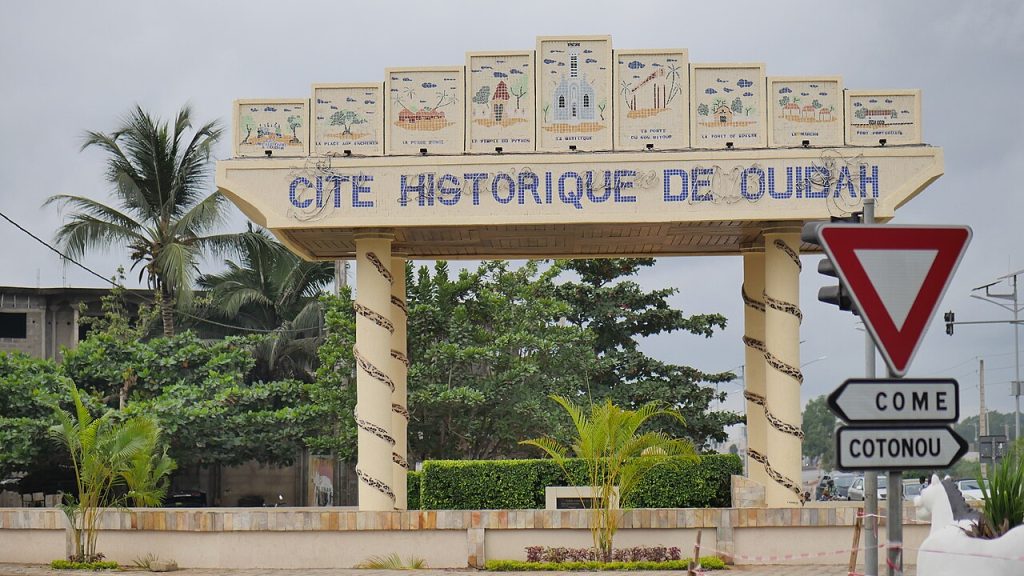
- Entrance to the Historic City of Ouidah: Photo by Ahouansouanna via Wikimedia Commons (CC0)
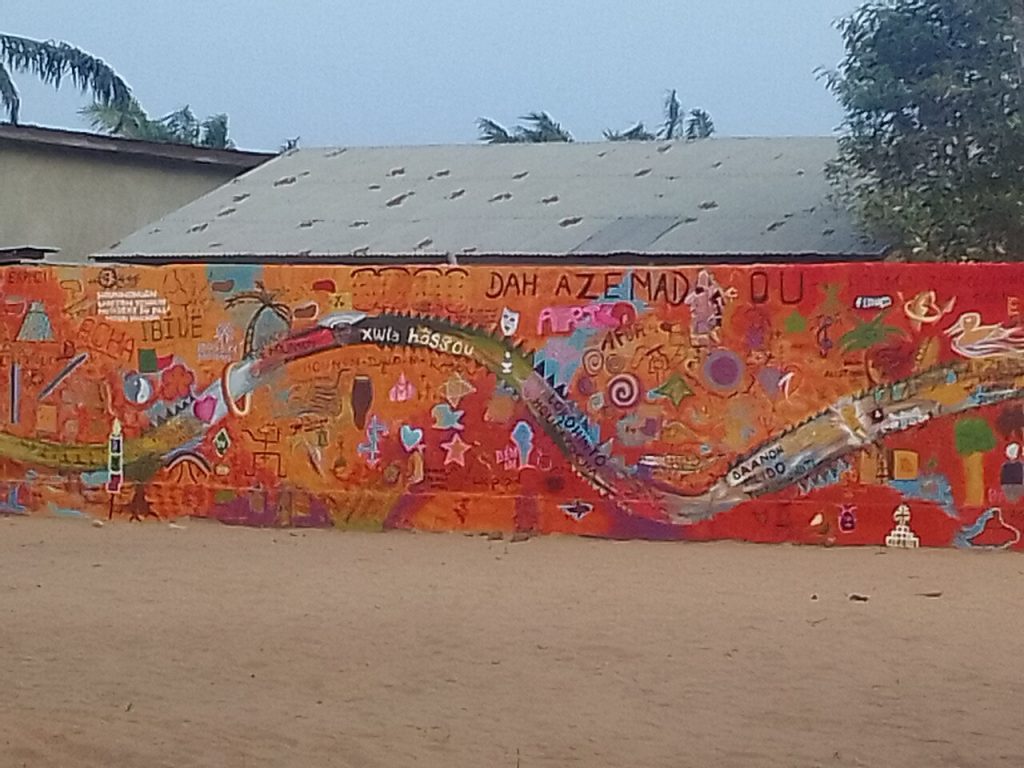
- Mural in Ouidah: Photo by Jack Djossou via Wikimedia Commons (CC0)
- Entrance to the Temple of Pythons: Photo by Ji-Elle via Wikimedia Commons (CC BY-SA 4.0)
- Fresco at the Temple of Pythons: Photo by Ji-Elle via Wikimedia Commons (CC BY-SA 4.0)
- Esplanade of the Door of No Return: Photo by Ji-Elle via Wikimedia Commons (CC BY-SA 4.0)