
Portobelo Panama is a small Caribbean town with a big history. Once one of the richest ports in the Spanish Empire, it is now a quiet fishing village surrounded by crumbling stone forts, jungle covered hills and a beautiful natural bay. In addition, it is home to the famous Black Christ and the lively Congo culture of Panama’s Caribbean coast.
Quick Facts About Portobelo, Panama
| Country | Panama |
| Region | Colón Province, Caribbean coast |
| Known For | Spanish colonial forts, Royal Customs House, Black Christ festival, Congo culture |
| UNESCO Status | UNESCO World Heritage Site (1980): Fortifications on the Caribbean Side of Panama: Portobelo-San Lorenzo |
| Founded | 1597, by Francisco Velarde y Mercado |
| Best Time to Visit | Mid December to April |
| Time Needed | 1 to 2 days |
| Continent | Central America |
Where Is Portobelo, Panama?
Portobelo lies on the Caribbean coast of Panama, in the Colón Province. Specifically, it sits about 32 kilometres northeast of the city of Colón, at the entrance to the Panama Canal.
From Panama City, the drive takes around two hours. As a result, many visitors come on a day trip, although staying overnight is much more relaxing.
Why Visit Portobelo, Panama?
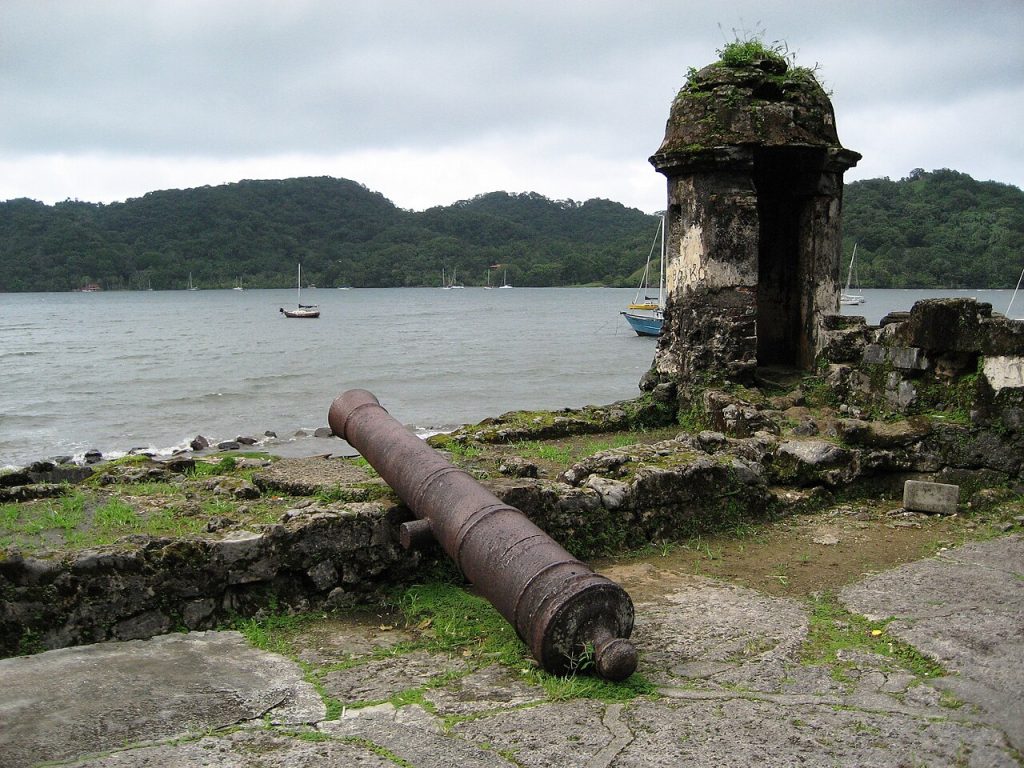
First, Portobelo offers some of the best preserved Spanish colonial fortifications in the Americas. Cannons still point out to sea from walls built centuries ago.
Second, the town has a unique culture. Here, Afro Panamanian traditions, music and dance are also part of daily life.
Finally, the natural setting is lovely. Green hills surround a calm bay, while nearby beaches and islands are perfect for swimming and snorkelling.
The Forts of Portobelo
Above all, the forts are the main attraction in Portobelo Panama. Together with Fort San Lorenzo near Colón, they form a UNESCO World Heritage Site.
Fort San Jerónimo
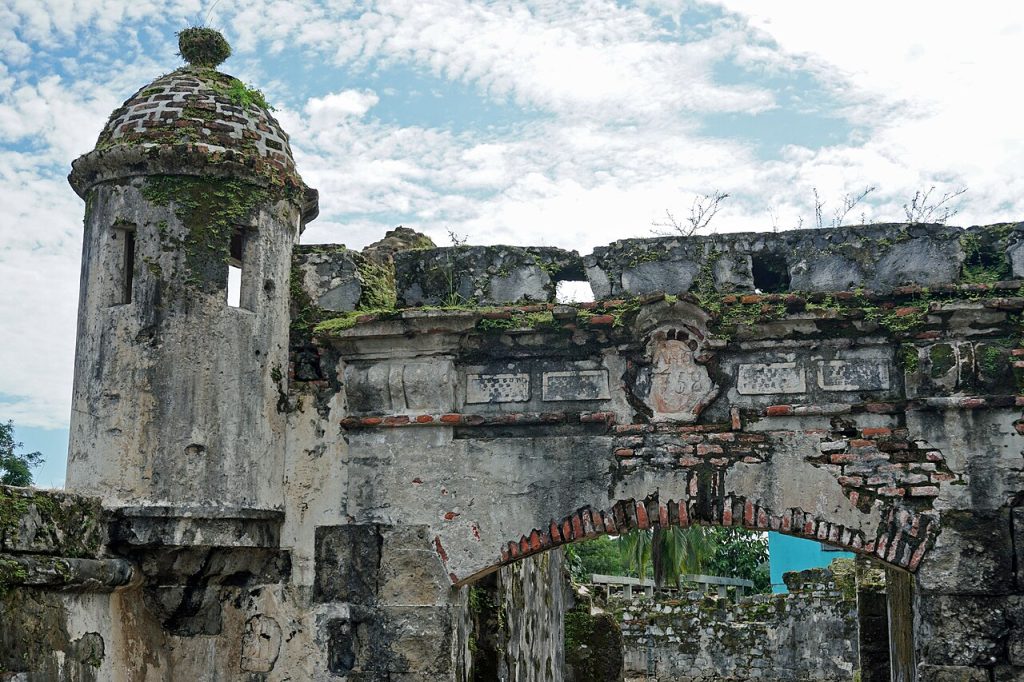
To begin with, Fort San Jerónimo stands right in the centre of town, facing the bay. Here, you can walk along its thick stone walls and also see rows of old cannons. In the late afternoon, the light on the stone is especially beautiful.
The Santiago Battery
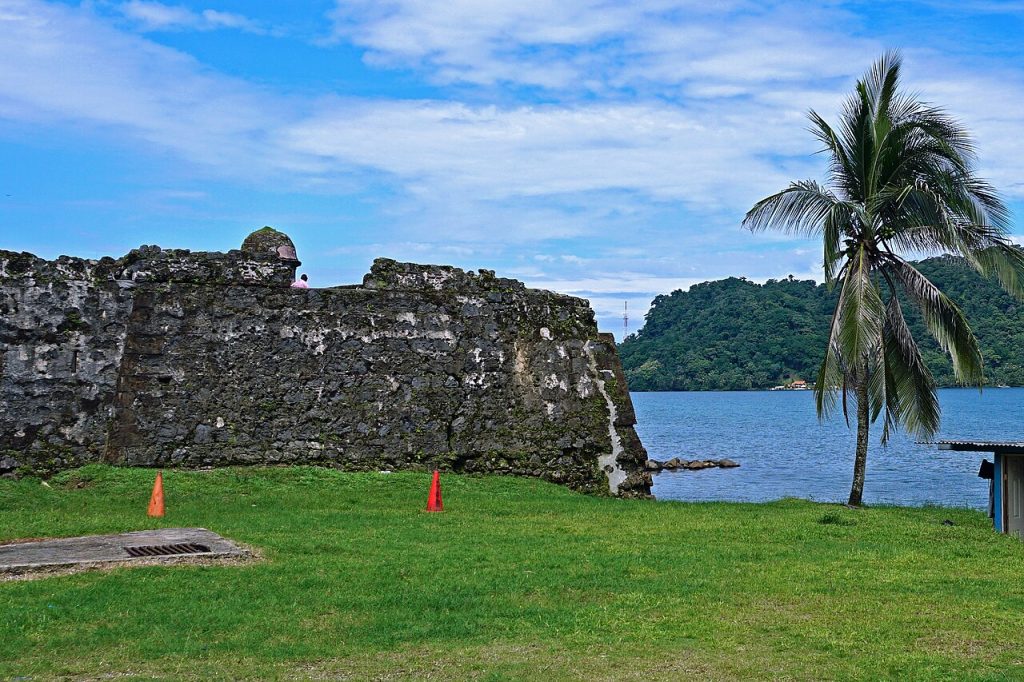
Further along, at the edge of town, the ruins of the Santiago battery overlook the water. Here, palm trees grow beside the old walls. Meanwhile, the views across the bay make it a great spot for photos.
Fort San Fernando
Meanwhile, across the bay, Fort San Fernando hides among the trees on the far shore. To reach it, local boatmen offer short trips from the town. The ride itself is a highlight, since it shows the forts from the water.
The Royal Customs House
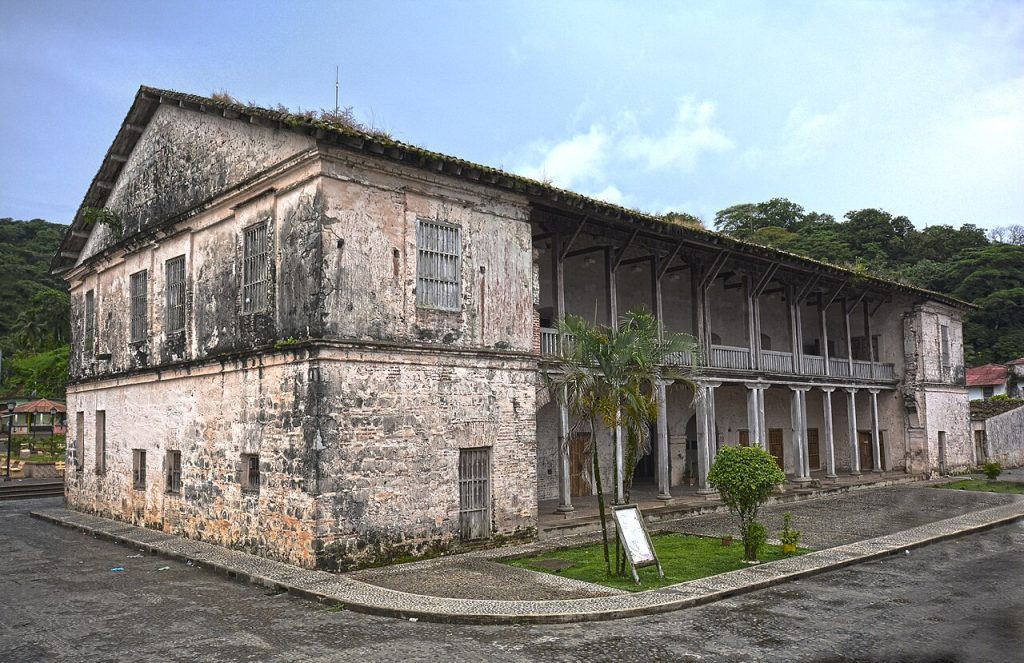
During colonial times, the Real Aduana, or Royal Customs House, was the place where Spanish officials counted and stored gold and silver. For centuries, treasure from Peru passed through here on its way to Spain.
Today, however, the building has been carefully restored. Inside, a small museum explains the history of the port and the famous trade fairs that once filled the town with merchants.
Culture and Traditions in Portobelo
Beyond its forts, Portobelo Panama has a rich living culture that makes it truly special.
The Black Christ of Portobelo
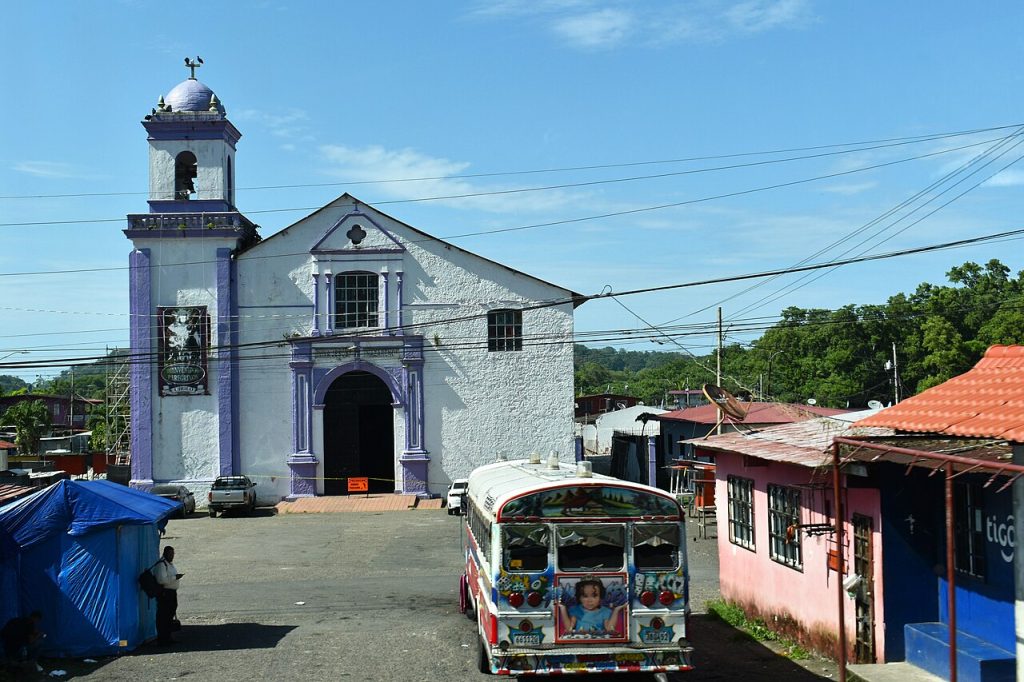
In particular, the Church of San Felipe holds a famous statue known as the Black Christ, or Cristo Negro.
The Festival of 21 October
Every year on 21 October, thousands of pilgrims travel to Portobelo to honour the statue. Some walk for many kilometres, while others arrive on their knees. At night, a solemn procession moves through the streets.
The Legend of the Statue
According to local legend, the statue arrived by sea in the 17th century. Since then, many believers have credited it with miracles.
Congo Culture
Portobelo is a centre of Congo culture, an Afro Panamanian tradition rooted in the history of enslaved Africans who escaped Spanish rule. It also includes dance, music and colourful costumes. Notably, UNESCO added the ritual and festive expressions of Congo culture to its Intangible Cultural Heritage list in 2018.
Beaches and Islands
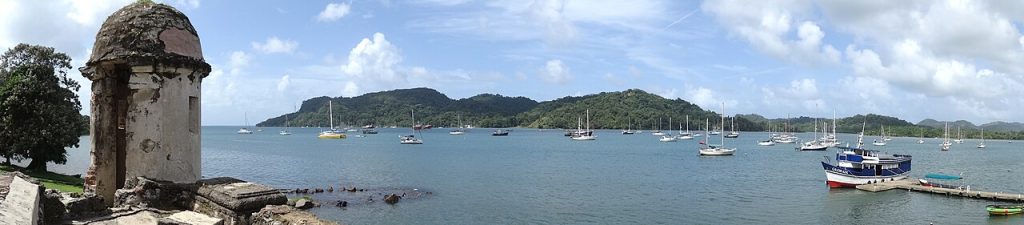
In addition, small boats take visitors from Portobelo to quiet beaches and coral reefs. For example, Isla Grande is a popular island nearby, with simple guesthouses and Caribbean food.
One Historical Fact About Portobelo, Panama
The English explorer Sir Francis Drake died of illness off the coast of Portobelo in 1596. Afterwards, his crew buried him at sea in a lead coffin near the entrance to the bay. Today, a small island at the mouth of the harbour, Isla Drake, carries his name.
How to Get to Portobelo, Panama
The easiest way to reach Portobelo is by car from Panama City. Take the highway toward Colón, then follow the coastal road east through Sabanitas. Overall, the drive takes about two hours.
Alternatively, you can take a bus from Panama City to Sabanitas and then change to a local bus to Portobelo. Although it is slower, it is cheap and easy. Many tour companies in Panama City also offer day trips.
Best Time to Visit Portobelo, Panama
The best time to visit Portobelo is during the dry season, from mid December to April. During these months, rain is less frequent and the sea is often calmer.
On the other hand, the Black Christ festival in October is unforgettable, although it is very busy. The rest of the year brings more rain, yet the town is green and peaceful.
Is Portobelo, Panama Worth Visiting?
Yes, definitely. After all, Portobelo combines historic forts, a unique culture and a beautiful Caribbean setting. Moreover, it is easy to reach from Panama City. So spend at least a day, or stay longer to explore the beaches and islands.
Final Thoughts
Portobelo Panama is a place where pirates, treasure and faith all left their mark. So walk the old forts, visit the Black Christ and enjoy a slow afternoon by the bay. In the end, this small town shows a side of Panama that few travellers ever see.
If you are exploring Central America, you may also enjoy our guides to Comayagua, Honduras and Concepción de Ataco, El Salvador.
Image Credits
Wikimedia Commons
- Portobelo Fortifications: Photo by Jim Williams via Wikimedia Commons (CC BY-SA 3.0 igo)
- Portobelo Customs House: Photo by Gualberto107 via Wikimedia Commons (CC BY-SA 3.0)
- Portobelo Bay: Photo by Adam Jones via Wikimedia Commons (CC BY-SA 2.0)
- San Jeronimo Fort: Photo by Mario Roberto Durán Ortiz via Wikimedia Commons (CC BY-SA 4.0)
- San Felipe Church: Photo by Bärbel Miemietz via Wikimedia Commons (CC BY-SA 4.0)
- Santiago Battery: Photo by Mario Roberto Durán Ortiz via Wikimedia Commons (CC BY-SA 4.0)