
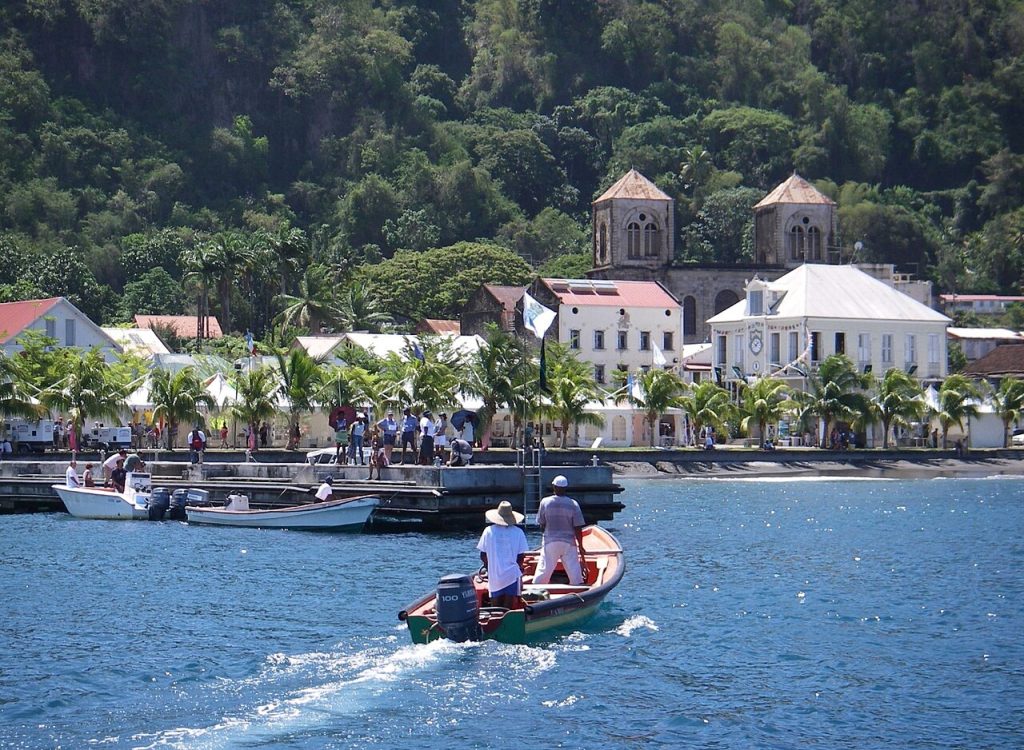
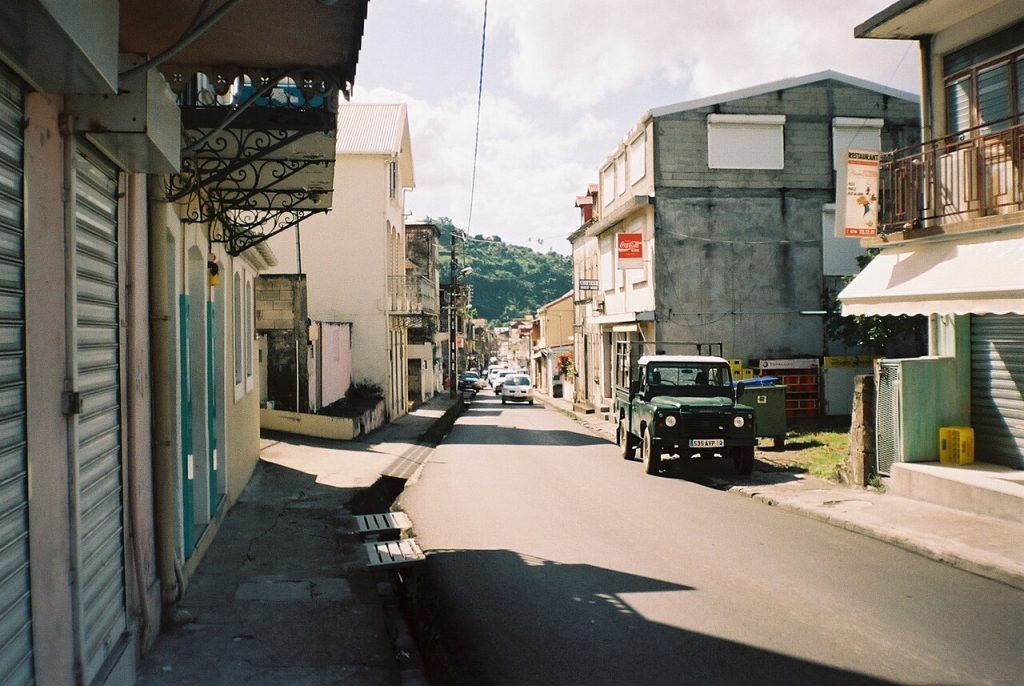
Saint-Pierre Martinique was once the most important town in the French Caribbean, known as the Paris of the Caribbean. Then, in 1902, the eruption of Mount Pelée destroyed it in minutes. Today, this small seaside town is a moving place to visit, where colourful houses stand beside haunting ruins at the foot of a sleeping volcano.
Quick Facts About Saint-Pierre, Martinique
| Country | Martinique (overseas department of France) |
| Region | Northwest coast of Martinique, Lesser Antilles |
| Known For | 1902 eruption ruins, Mount Pelée, shipwreck diving, rum distilleries |
| UNESCO Status | Mount Pelée and the northern pitons inscribed as a UNESCO World Heritage Site (2023) |
| Founded | 1635, by Pierre Belain d’Esnambuc |
| Best Time to Visit | December to May |
| Time Needed | 1 to 2 days |
| Continent | Caribbean |
Where Is Saint-Pierre, Martinique?
Saint-Pierre lies on the northwest coast of Martinique, a French overseas department in the Lesser Antilles. Specifically, it sits on a wide bay of the Caribbean Sea, below the slopes of Mount Pelée.
The capital, Fort-de-France, is about 30 kilometres to the south. As a result, the town makes an easy day trip from most parts of the island.
Why Visit Saint-Pierre, Martinique?
First, Saint-Pierre tells one of the most dramatic stories in Caribbean history. When walking among its ruins, you can almost feel the presence of the city that once stood here.
Second, the setting is stunning. Green mountains rise behind the town, while a dark sand beach curves along the bay.
Finally, the town is calm and authentic. Unlike the resort areas in the south, it feels like a real Martinican community.
Exploring the Ruins of Saint-Pierre
The ruins are the main reason to visit Saint-Pierre Martinique. Fortunately, most of them lie within a short walk of the waterfront.
The Old Theatre
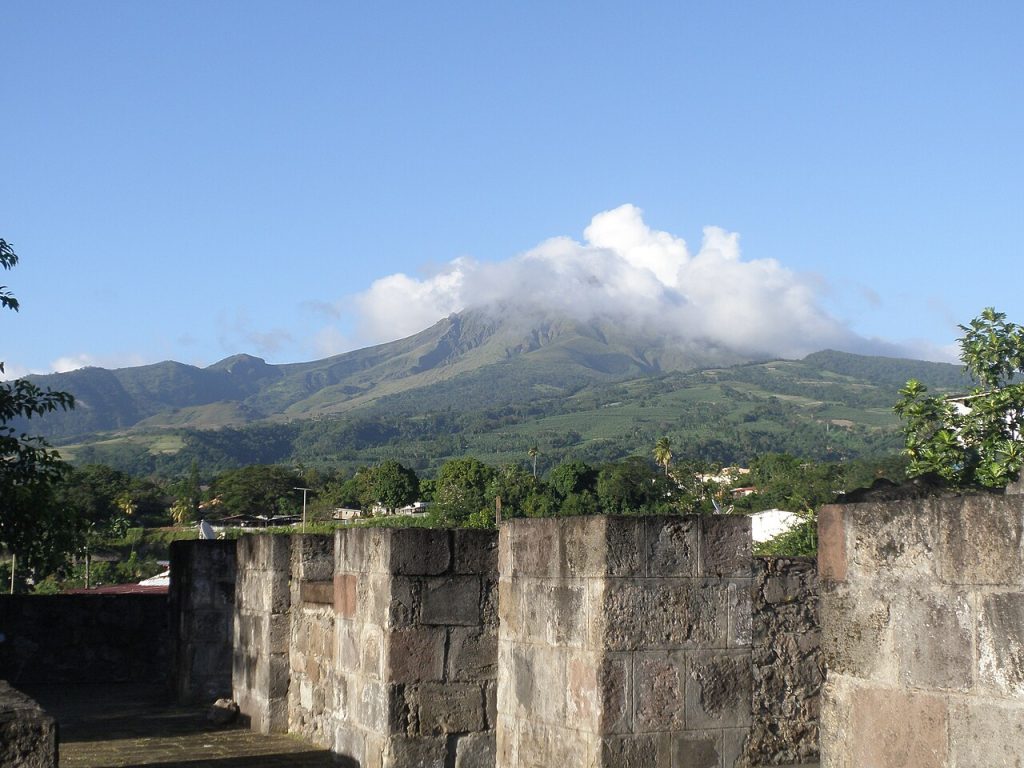
Back then, the theatre was the pride of the town, hosting touring companies from France. Today, however, only its grand staircase, walls and stage area remain. Still, standing here with Mount Pelée in the background is a powerful experience.
The Prison of Cyparis
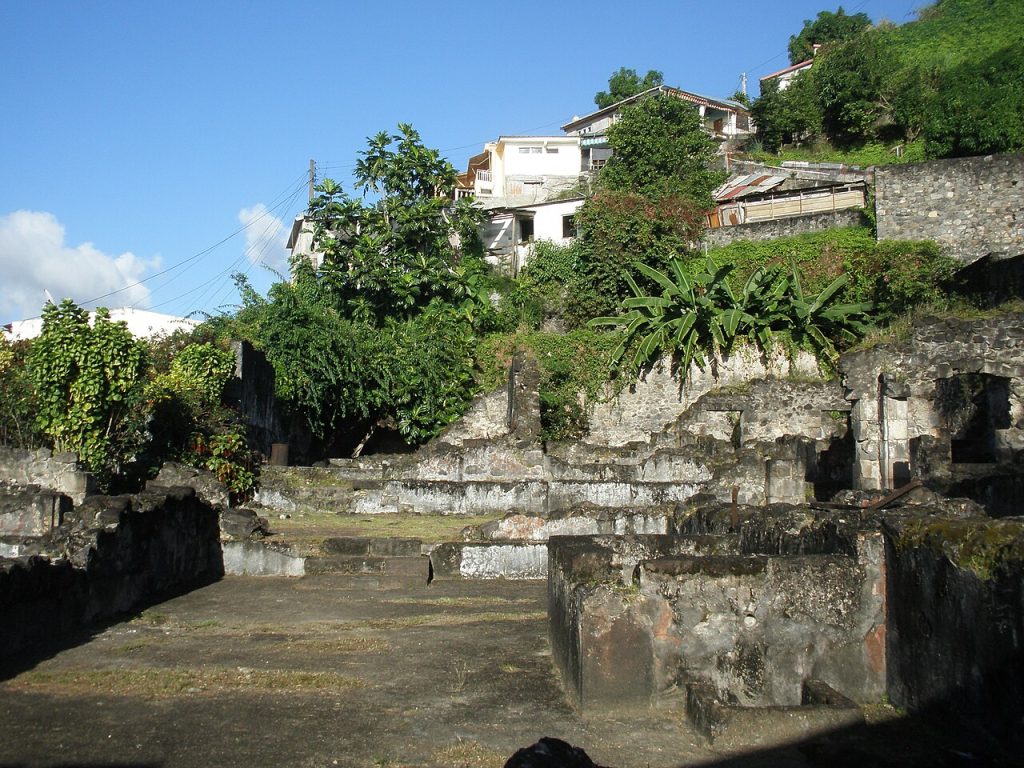
Beside the theatre lie the ruins of the old prison. Here, you can see the thick walled cell where the prisoner Louis-Auguste Cyparis survived the eruption. Later, he toured the world with an American circus, telling his remarkable story.
The Figuier Quarter
Along the seafront, the ruins of the Figuier quarter show the outlines of old warehouses and homes. Above all, they reveal how busy and wealthy this trading port once was.
The Bay and Its Shipwrecks
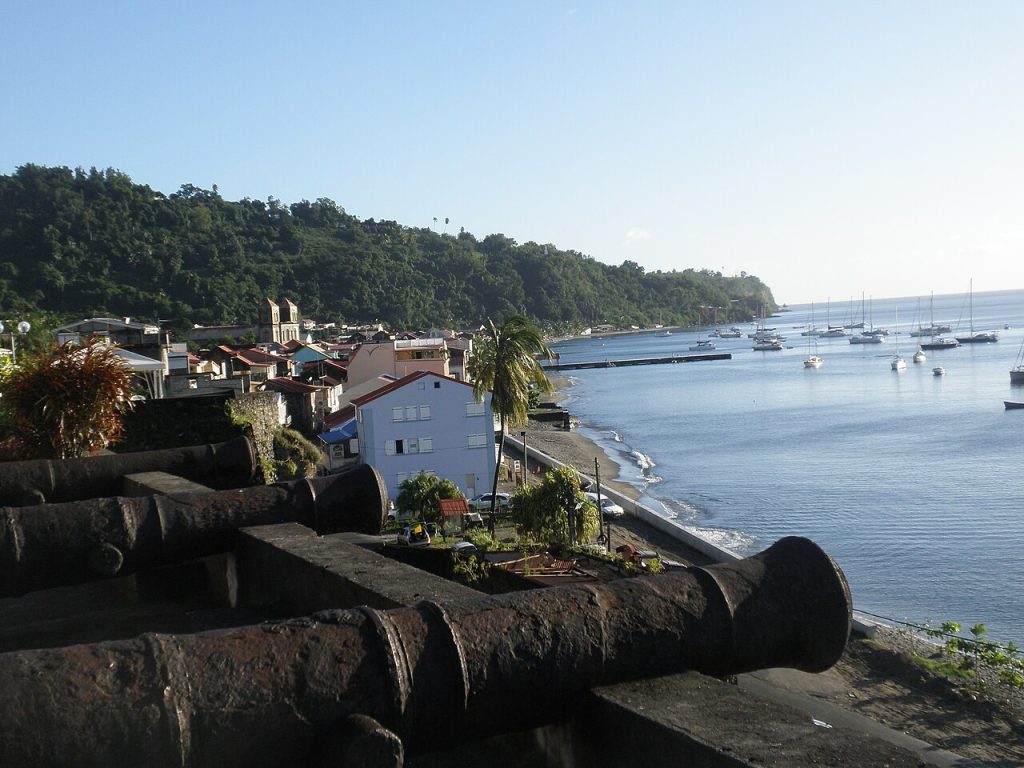
The bay of Saint-Pierre is calm and beautiful today. However, beneath the surface lie the wrecks of ships that the eruption sank in 1902.
For divers, these wrecks are among the most famous dive sites in the Caribbean. So several local dive centres offer trips for both beginners and experienced divers. Meanwhile, snorkellers can enjoy the clear water close to the shore.
Mount Pelée and the Surrounding Region
Mount Pelée dominates the landscape around Saint-Pierre Martinique. In addition, the wider region offers rainforest, rum and memorable hikes.
Climbing Mount Pelée
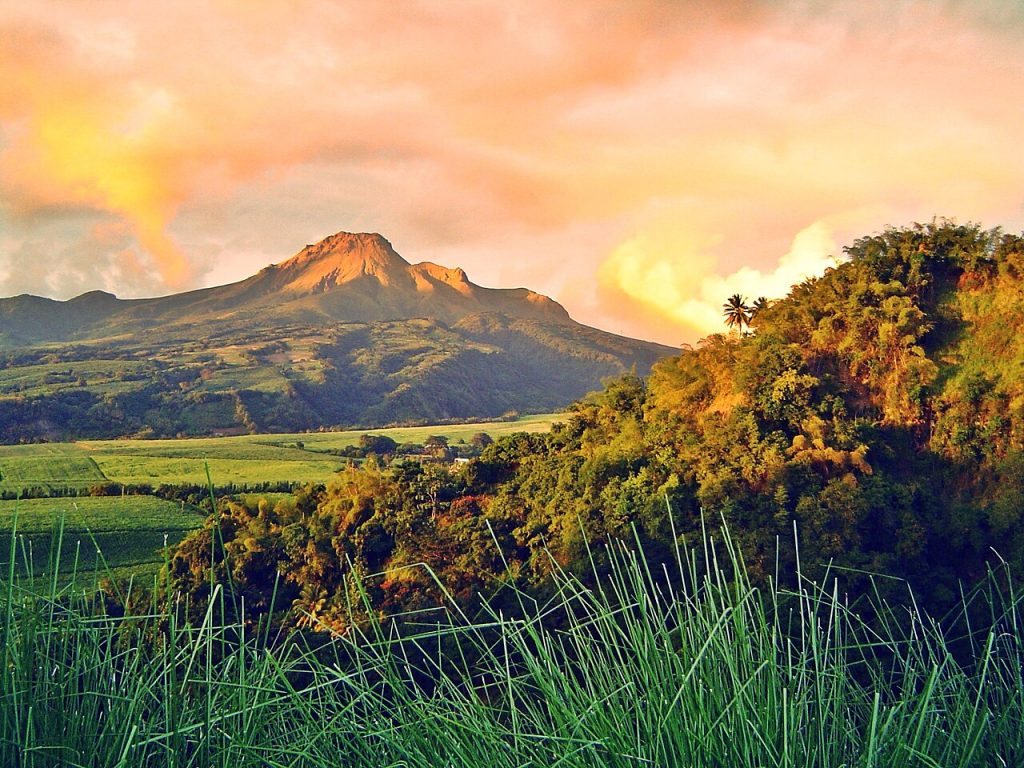
Mount Pelée rises to about 1,400 metres, making it the highest point in Martinique.
The Hiking Trails
Several marked trails also lead toward the summit. The climb is steep and often wet, so start early and bring good boots and rain gear.
UNESCO Recognition
In 2023, UNESCO added the volcanoes and forests of Mount Pelée and the northern Martinique pitons to its World Heritage List. The designation protects some of the richest forests in the Lesser Antilles.
Museums and History
The Frank A. Perret Volcanological Museum tells the story of the eruption through photographs and objects found in the ashes. For example, you can see melted glass, bent metal and everyday items from 1902. Although sobering, it is an essential visit.
Rum Distilleries
Martinique is famous for its agricultural rum, made from fresh sugar cane juice. Just outside the town, the Habitation Depaz distillery sits on the slopes of the volcano. There, you can tour the estate and then enjoy a tasting.
One Historical Fact About Saint-Pierre, Martinique
On the morning of 8 May 1902, Mount Pelée erupted and sent a cloud of hot gas and ash down onto Saint-Pierre. In just a few minutes, about 28,000 people died. Remarkably, only a handful of people in the town survived, including Cyparis in his prison cell.
How to Get to Saint-Pierre, Martinique
Most visitors fly into Martinique Aimé Césaire International Airport, near Fort-de-France. From there, the drive to Saint-Pierre takes about one hour along the scenic coastal road.
Alternatively, local buses run from Fort-de-France, although services are less frequent on Sundays. For flexibility, renting a car is the best way to explore the north of the island.
Best Time to Visit Saint-Pierre, Martinique
The best time to visit is during the dry season, from December to May. During these months, the skies are clearer and hiking conditions on Mount Pelée are better.
The wetter months, from June to November, bring more rain and the risk of hurricanes. On the other hand, the landscape is at its greenest, and there are fewer visitors.
Is Saint-Pierre, Martinique Worth Visiting?
Yes, absolutely. After all, Saint-Pierre offers history, nature and culture in one compact town. Moreover, it gives you a deeper understanding of Martinique beyond its beaches. Spend at least a full day here, or stay overnight to hike Mount Pelée.
Final Thoughts
Saint-Pierre Martinique is a town that has risen from its own ashes. So walk through the ruins, dive the historic wrecks and look up at the volcano that shaped its fate. In the end, you will leave with a deep respect for this resilient Caribbean community.
If you enjoy historic Caribbean towns, you may also like our guides to Baracoa, Cuba and English Harbour, Antigua.
Image Credits
Wikimedia Commons
- Saint-Pierre Waterfront: Photo by Jean and Nathalie via Wikimedia Commons (CC BY-SA 2.0)
- Theatre Ruins: Photo by Thérèse Gaigé via Wikimedia Commons (CC0)
- Prison Ruins: Photo by Thérèse Gaigé via Wikimedia Commons (CC0)
- Saint-Pierre Bay: Photo by Thérèse Gaigé via Wikimedia Commons (CC0)
- Mount Pelee: Photo by Eugénie Peigné via Wikimedia Commons (CC BY-SA 3.0)
- Saint-Pierre Street: Photo by Radosław Botev via Wikimedia Commons (CC BY 3.0 pl)