Rising from the edge of the Moroccan desert, Aït Benhaddou looks like something straight out of a storybook. With its towering earthen walls, maze-like pathways, and dramatic desert surroundings, this fortified village has captivated travelers for centuries.
Located along historic caravan routes between the Sahara Desert and Marrakech, Aït Benhaddou served as an important trading post where merchants transported gold, salt, spices, and other valuable goods across North Africa. Today, it stands as one of Morocco’s most iconic landmarks and a UNESCO World Heritage Site, drawing visitors from around the world who come to experience its remarkable architecture and rich history.
The village’s timeless appearance has also made it one of Morocco’s most recognizable destinations. Surrounded by desert landscapes, palm groves, and rugged hills, Aït Benhaddou offers visitors a unique opportunity to step into a world that has changed little over the centuries.
Quick Facts About Aït Benhaddou
| Fact | Details |
|---|---|
| Country | Morocco |
| Region | Drâa-Tafilalet |
| Known For | Earthen architecture, fortified village, caravan history |
| UNESCO Status | UNESCO World Heritage Site (1987) |
| Founded | Estimated 11th Century |
| Best Time to Visit | March to May, September to November |
| Time Needed | Half Day to Full Day |
| Continent | Africa |
Where Is Aït Benhaddou?
Aït Benhaddou is located in southern Morocco near the city of Ouarzazate, on the edge of the Atlas Mountains and the Sahara Desert. The village sits along the former caravan route that connected Marrakech with the deserts and trading centers of sub-Saharan Africa.
Its strategic location made it an ideal stopping point for merchants traveling across vast stretches of desert. Caravans carrying valuable goods would rest here before continuing their journeys toward North Africa’s major cities and markets.
Today, the village remains one of Morocco’s most visited cultural attractions and serves as an important gateway to the country’s desert regions.
Why Visit Aït Benhaddou?
Few places in the world preserve traditional earthen architecture as beautifully as Aït Benhaddou. The fortified village, known as a ksar, consists of mud-brick buildings clustered together behind defensive walls and towers.
Its unique appearance has made it one of Morocco’s most photographed destinations and a popular filming location for movies and television series. Walking through the village feels like stepping into another era, where ancient traditions and desert landscapes remain largely unchanged.
Visitors can explore narrow pathways, climb to scenic viewpoints, admire centuries-old architecture, and learn about the settlement’s role in trans-Saharan trade. Combined with its spectacular desert setting, Aït Benhaddou offers one of the most memorable travel experiences in Morocco.
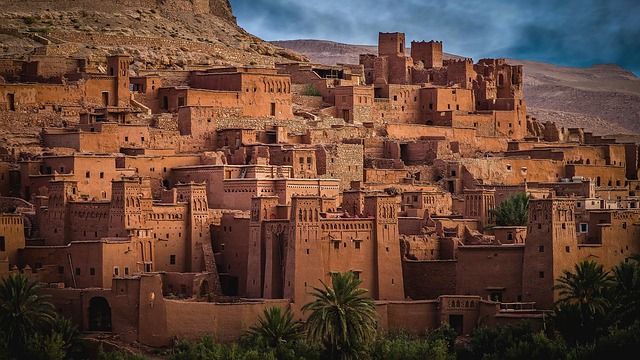
Along the Ancient Roads of Desert Trade
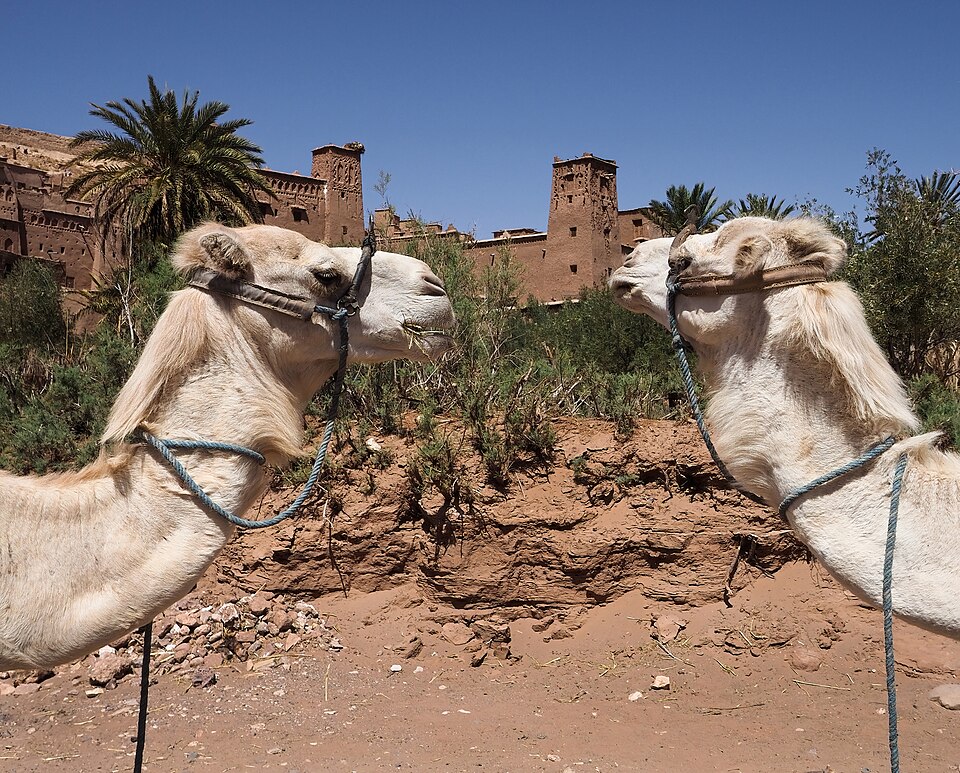
For centuries, Aït Benhaddou occupied a strategic position along the caravan routes that crossed the Sahara Desert. Long before modern roads connected Morocco’s cities, merchants traveled by camel caravan carrying goods between sub-Saharan Africa and the Mediterranean world.
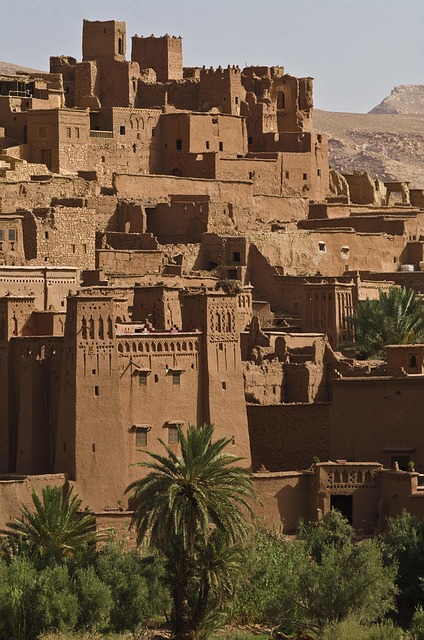
Gold, salt, spices, textiles, and other valuable commodities passed through the region, helping transform Aït Benhaddou into an important commercial and cultural center. The settlement’s location allowed traders to rest, exchange goods, and seek protection before continuing their journeys across challenging desert terrain.
The nearby oasis provided water and agricultural resources that supported both residents and travelers. This combination of trade, agriculture, and strategic positioning allowed the village to prosper for centuries despite its remote environment.
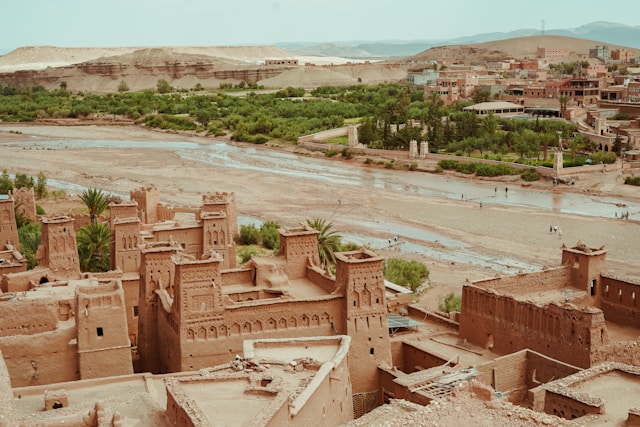
As trade routes evolved and transportation methods changed, Aït Benhaddou gradually lost its commercial importance. However, this decline also helped preserve much of its original character. Unlike many historic settlements that underwent significant modernization, the ksar retained its traditional appearance, providing modern visitors with a rare glimpse into Morocco’s caravan-era past.
Today, the village stands as a reminder of the networks of commerce and cultural exchange that once connected distant regions of Africa and beyond.
The Art of Building with Earth
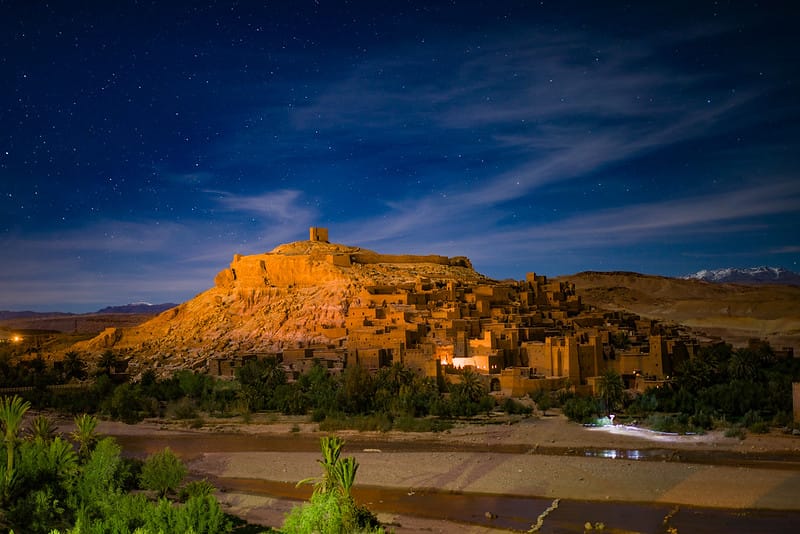
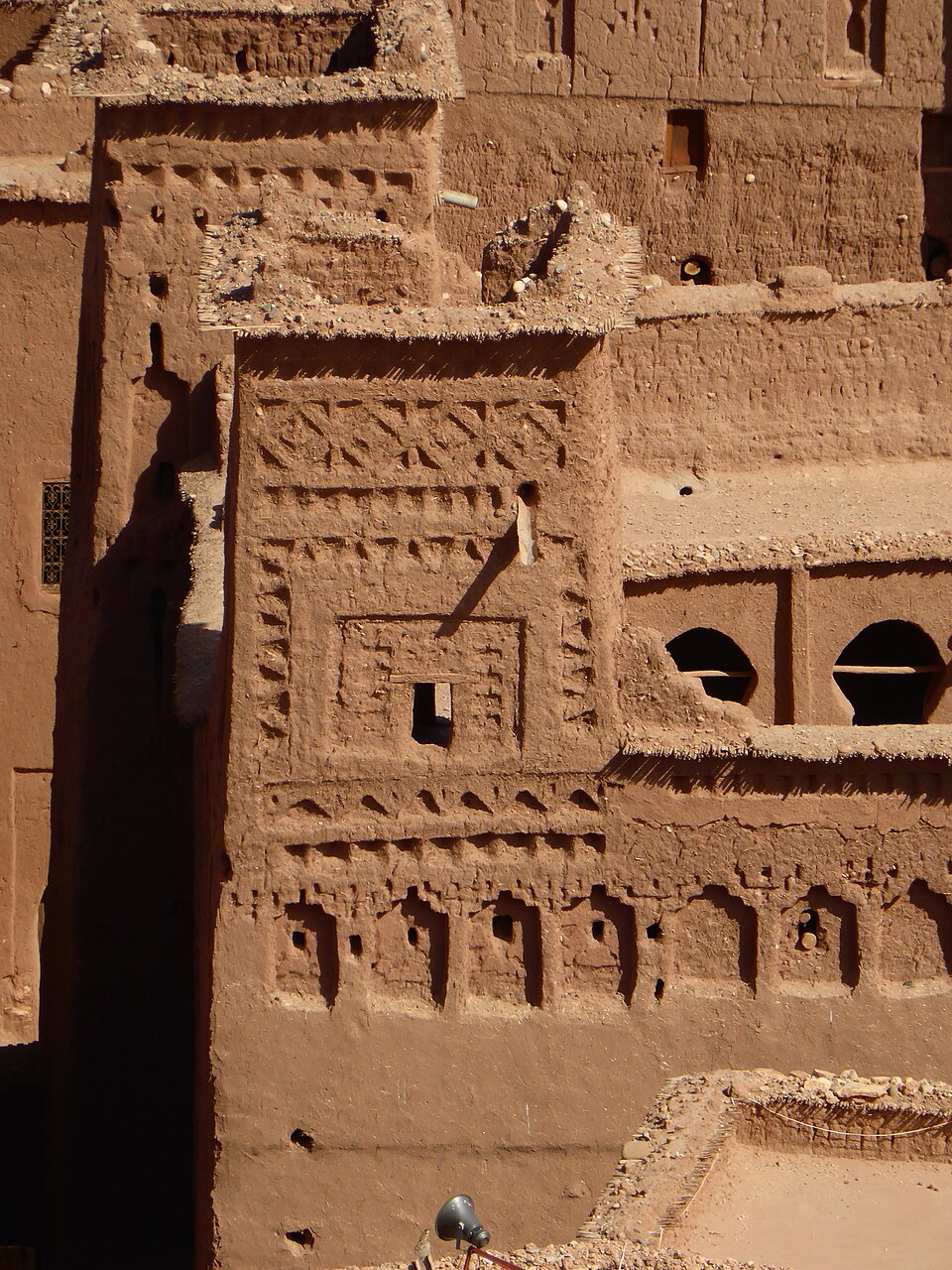
One of the most remarkable aspects of Aït Benhaddou is its architecture.
Constructed primarily from mud, straw, wood, and locally sourced clay, the buildings blend seamlessly into the surrounding landscape. The earthen materials not only helped regulate interior temperatures but also provided a practical solution for construction in an arid environment.
Defensive towers rise above the settlement, while decorative geometric patterns adorn many walls and entrances. These artistic details showcase the craftsmanship and engineering knowledge passed down through generations.
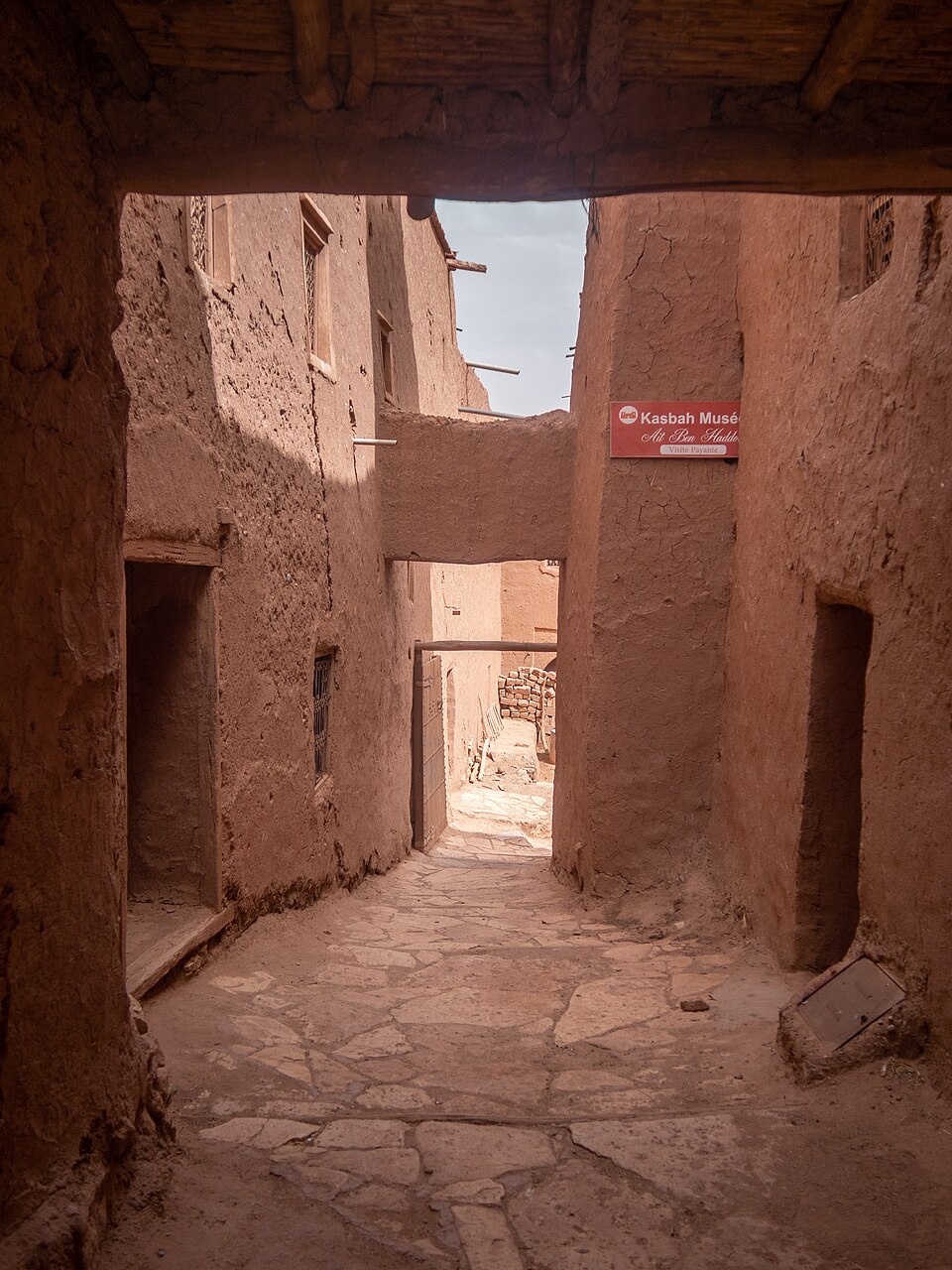
Throughout the day, the village changes appearance as sunlight interacts with the earthen walls. During sunrise and sunset, the structures take on warm shades of gold, orange, and red, creating some of Morocco’s most spectacular views.
The preservation of these traditional building techniques is one of the primary reasons Aït Benhaddou received UNESCO World Heritage status. It remains one of the finest surviving examples of pre-Saharan earthen architecture anywhere in the world.
Exploring the Maze of the Ksar
Inside the fortified village, narrow pathways wind between centuries-old structures, creating a maze-like environment that invites exploration.
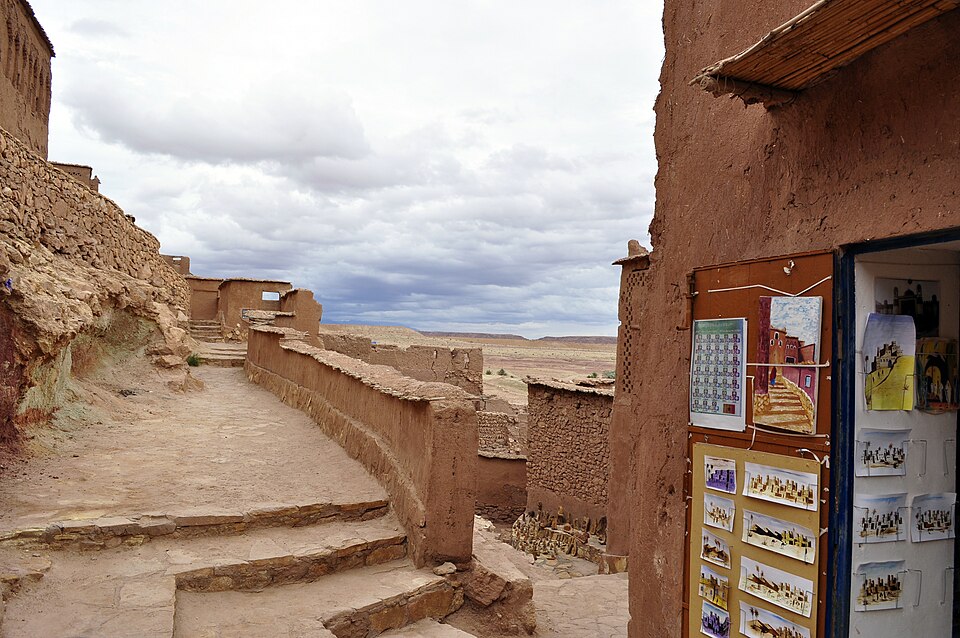
Visitors can wander through shaded alleyways, pass traditional homes, and discover small artisan shops displaying local crafts. Every turn reveals another perspective on the village’s architecture and history.
Unlike modern urban centers designed for vehicles, the pathways of Aït Benhaddou were built for pedestrians and pack animals. This creates an intimate atmosphere where visitors can fully appreciate the scale and character of the settlement.
Climbing toward the upper sections of the ksar rewards travelers with panoramic views of the surrounding valley, riverbed, and desert landscape. These elevated viewpoints provide a better understanding of why the village’s location was so strategically important.
Walking through Aït Benhaddou offers more than sightseeing—it provides a direct connection to centuries of Moroccan history and culture.
Between the Oasis and the Desert
One of the reasons Aït Benhaddou is so visually striking is its setting.
The fortified village rises above a seasonal riverbed and palm-filled oasis, creating a dramatic contrast between fertile greenery and arid desert terrain. This combination of natural elements has shaped life in the region for centuries.
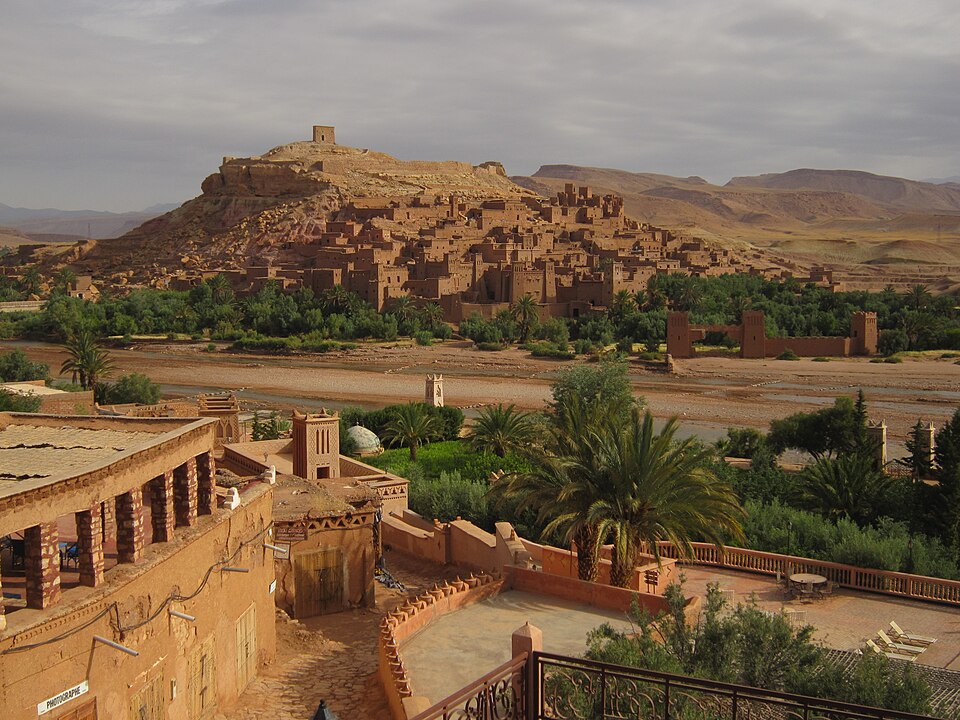
Palm groves provide shade, food, and agricultural resources, while the surrounding hills and desert landscapes offer protection and natural beauty. The relationship between the settlement and its environment demonstrates how communities adapted to challenging conditions in southern Morocco.
Today, visitors can admire sweeping views of the oasis, desert plains, and distant mountains that frame the ksar. These landscapes contribute significantly to the site’s appeal and help explain why it remains one of Morocco’s most photographed destinations.
One Historical Fact About Aït Benhaddou
In 1987, Aït Benhaddou was designated a UNESCO World Heritage Site for its outstanding example of traditional pre-Saharan earthen architecture. The designation helped preserve the village and brought international attention to one of Morocco’s most important cultural treasures.
How to Get There
- Ouarzazate to Aït Benhaddou: approximately 30 minutes by car
- Marrakech to Aït Benhaddou: approximately 3.5 to 4 hours by car
- Guided day tours from Marrakech are widely available
- The nearest airport is Ouarzazate Airport (OZZ)
- Many travelers include Aït Benhaddou in larger itineraries through southern Morocco
Is Aït Benhaddou Worth Visiting?
Absolutely.
Aït Benhaddou offers an unforgettable combination of history, architecture, and natural beauty. Its UNESCO-listed status, fascinating caravan history, and stunning desert setting make it one of Morocco’s most rewarding destinations.
Whether you’re interested in photography, cultural heritage, architecture, or simply experiencing one of the world’s most unique landscapes, Aït Benhaddou deserves a place on your travel itinerary.
Final Thoughts
Aït Benhaddou is more than just an ancient village—it is a living reminder of Morocco’s role in centuries of trade, travel, and cultural exchange.
From its earthen fortifications and historic pathways to its oasis setting and desert surroundings, every corner of the ksar tells a story. The combination of architectural beauty, historical significance, and dramatic scenery creates an experience unlike any other in North Africa.
For travelers seeking a destination that feels timeless, authentic, and unforgettable, Aït Benhaddou remains one of Morocco’s greatest treasures.
Image Credits
- Panoramic View of Aït Benhaddou Ksar — Image by Walkerssk from Pixabay
- Aït Benhaddou Desert Oasis Landscape — Image by Daniel Wanke from Pixabay
- Aerial View of Aït Benhaddou — Photo by Toa Heftiba on Unsplash
- Aït Benhaddou Fortress at Sunset — flicker, CC BY-SA 4.0, via Wikimedia Commons
- Earthen Pathway Inside Aït Benhaddou — Elena Tatiana Chis, CC BY-SA 4.0, via Wikimedia Commons
- Camels Near Aït Benhaddou — Petar Milošević, CC BY-SA 4.0, via Wikimedia Commons
- Traditional Ksar Architecture — C messier, CC BY-SA 4.0, via Wikimedia Commons
- Panoramic View of Aït Benhaddou and Oasis — Peter in s, CC BY-SA 4.0, via Wikimedia Commons
- Decorative Earthen Architectural Details — tjabeljan, CC BY 2.0, via Wikimedia Commons


.jpg)


.jpg)
Sources: UNESCO World Heritage Centre; Visit Morocco; Encyclopaedia Britannica; Lonely Planet