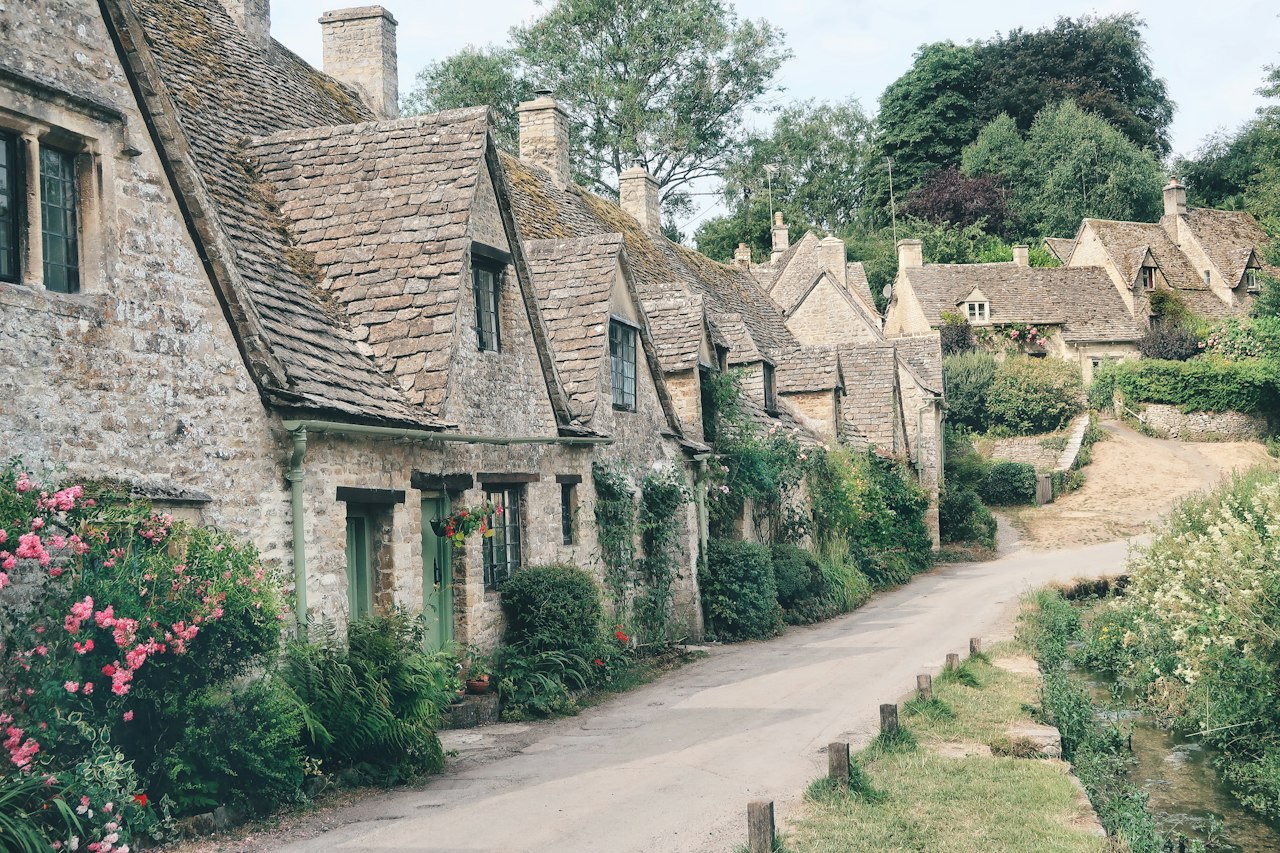
Bibury, England is a tiny Cotswold village that looks like a painting. Honey-coloured stone cottages line a clear, slow river. Meanwhile, ducks and trout drift past grassy banks and old stone bridges. So, this guide covers the best things to do, plus how to get there and when to go.
Quick Facts About Bibury, England
| Country | United Kingdom (England) |
| Region | Gloucestershire, in the Cotswolds |
| Known For | The stone cottages of Arlington Row, the River Coln and its trout farm |
| UNESCO Status | Not a UNESCO World Heritage Site, but part of the protected Cotswolds landscape |
| Founded | An old Saxon settlement, with cottages on Arlington Row dating back to the 14th century |
| Best Time to Visit | Spring and early autumn, early in the morning |
| Getting There | Drive or take a taxi from Cirencester, about 7 miles away |
| Time Needed | Two to three hours |
| Continent | Europe |
Where Is Bibury, England?
Bibury lies in Gloucestershire, in the heart of the Cotswolds. It sits on the River Coln, about 7 miles northeast of the market town of Cirencester. Also, Oxford is around an hour’s drive away, and London about two hours.
Why Visit Bibury, England?
The 19th century designer William Morris is said to have called Bibury the most beautiful village in England. Many visitors still agree. In fact, its cottages appear on calendars, postcards and even inside British passports.
Also, Bibury is small and peaceful. So, it is perfect for a slow morning walk, a pub lunch and some of the best photos in the Cotswolds.
Things to Do in Bibury
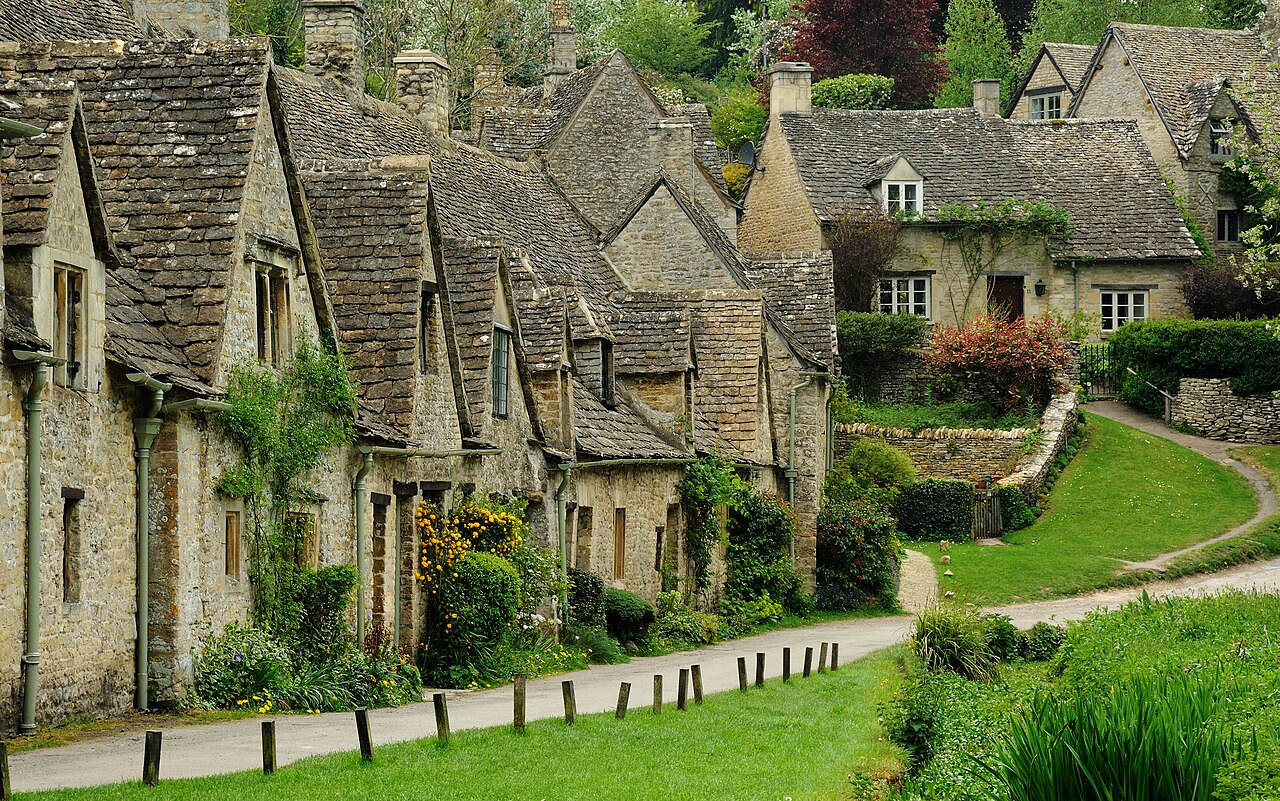
See Arlington Row
Arlington Row is the most famous sight in the village. This row of steep-roofed stone cottages climbs gently up a lane beside a meadow. Originally, it was built in the 14th century as a wool store for a nearby abbey. Later, in the 1600s, it became homes for weavers. Today, the cottages are cared for by the National Trust. However, people still live in them, so please be respectful and quiet.
Walk Along the River Coln
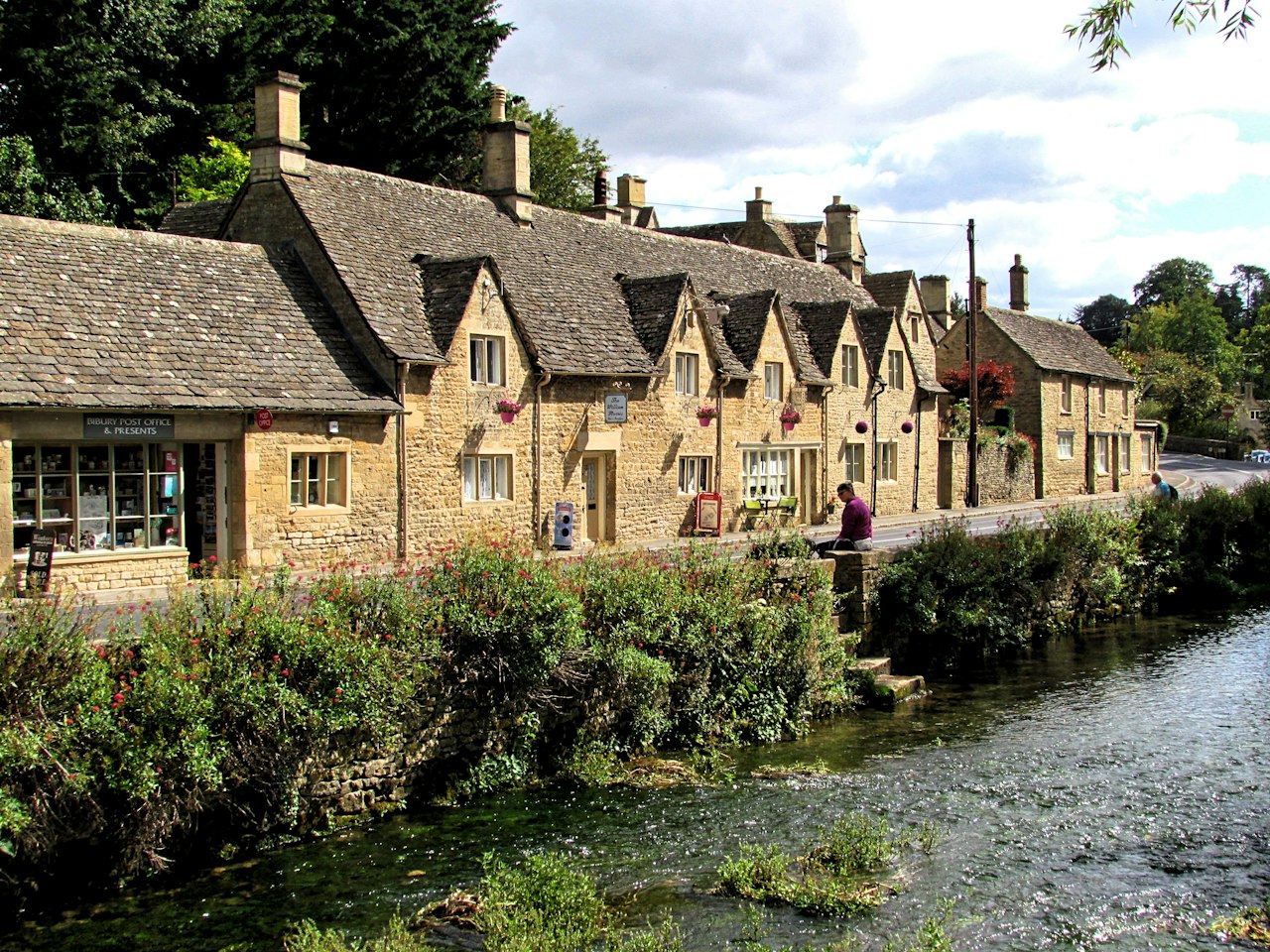
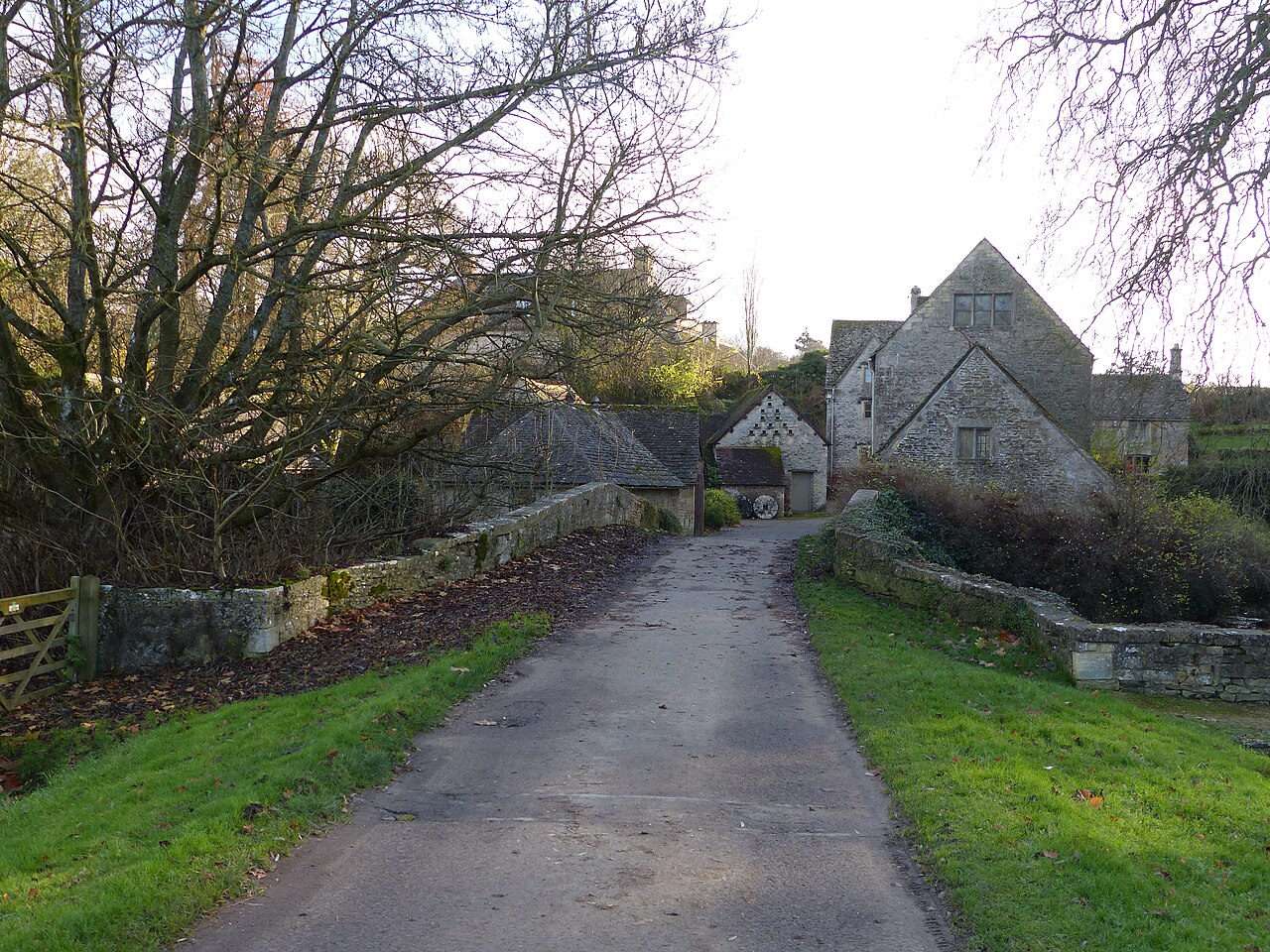
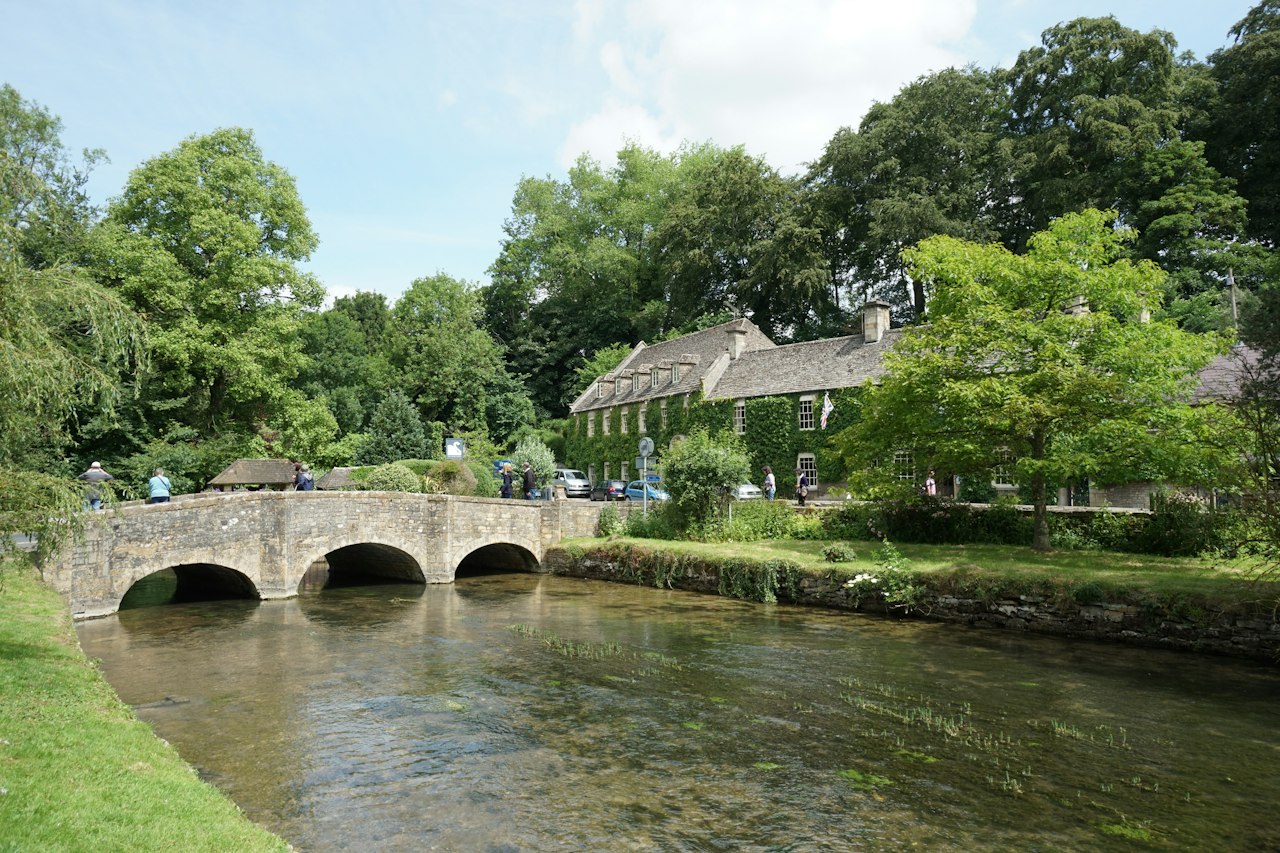
The River Coln runs right through the village. Its water is shallow and very clear. As a result, you can often spot trout swimming in the current. Also, a path follows the bank past cottages, gardens and the old mill.
Visit Rack Isle
Rack Isle is a marshy water meadow in front of Arlington Row. In the past, wool cloth was hung here on racks to dry. Today, it is a quiet nature area, home to water birds and wildflowers. So, it makes a lovely foreground for photos of the cottages.
Stop by the Trout Farm
Bibury Trout Farm has been raising trout beside the river for over a century. Here, you can walk among the ponds and feed the fish. Also, you can buy fresh trout to take home or try your hand at catching your own.
See the Church of St Mary
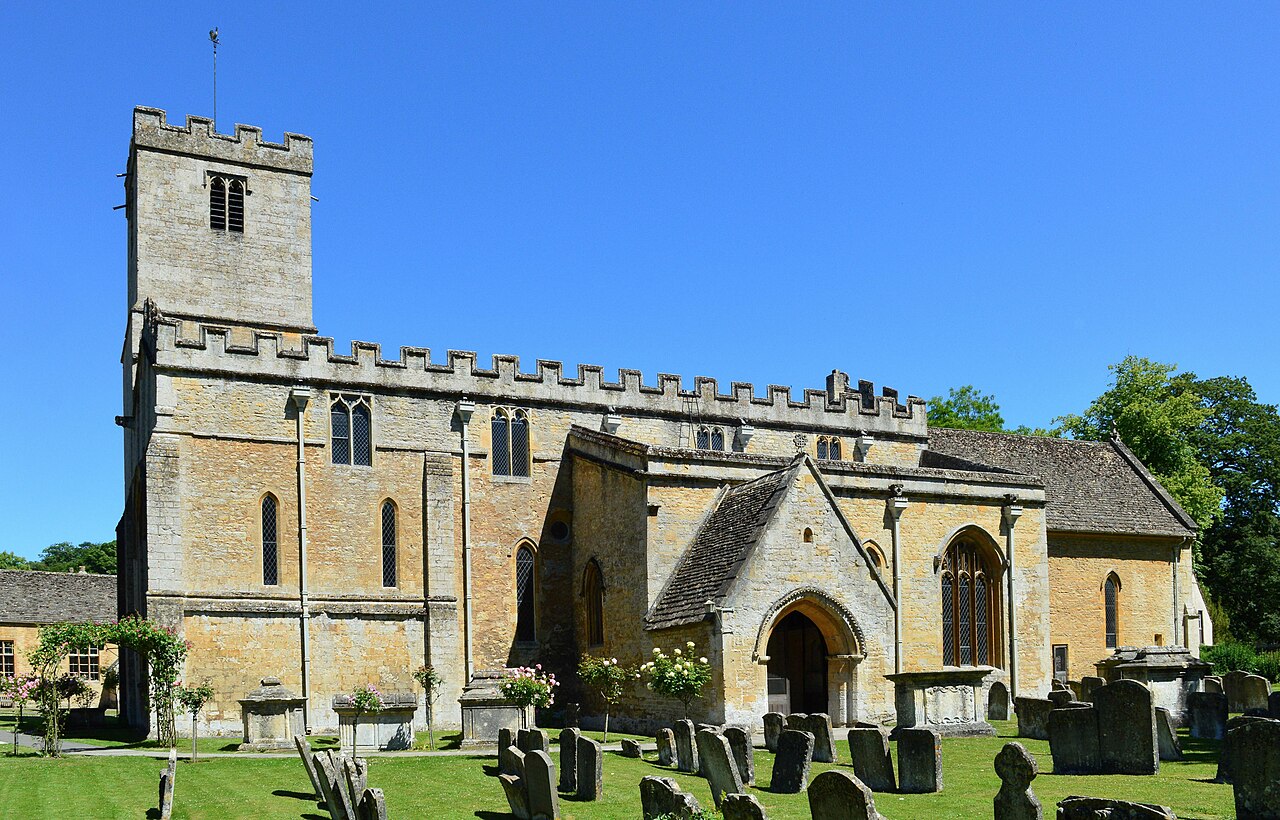
The Church of St Mary has Saxon origins, with later Norman and medieval additions. Its peaceful churchyard sits a short walk from the river. Inside, look for old carved stonework and stained glass.
Tips for Visiting Bibury
- Arrive early in the morning, because tour buses arrive by mid morning
- Parking is very limited, so consider walking in from nearby villages
- Stay on public paths and respect the privacy of residents
- Wear waterproof shoes after rain, as the meadows get muddy
Day Trips From Bibury
Bourton-on-the-Water
Bourton-on-the-Water is often called the Venice of the Cotswolds. Low stone bridges cross the shallow river through the village centre. Also, it has a model village and several museums.
Cirencester
Cirencester is a short drive away. In Roman times, it was one of the largest towns in Britain. Today, it has a grand parish church, a busy market square and the Corinium Museum.
Castle Combe
Castle Combe lies further south, near Bath. It is another famously pretty village, with a market cross and old stone houses. So, it pairs well with a wider Cotswolds road trip.
One Historical Fact About Bibury
Arlington Row began life around 1380 as a monastic wool store. In the 17th century, it was converted into cottages for weavers. Their cloth was then taken to a nearby mill for finishing. Remarkably, the row has survived with very few changes for more than six centuries.
How to Get to Bibury, England
- Driving: Bibury is easiest to reach by car, via the B4425 road from Cirencester.
- Train: The nearest stations are Kemble and Swindon. From there, take a taxi.
- Bus: Buses from Cirencester are limited, so check timetables before you travel.
- Getting around: The village is small, so everything is within a short walk.
Best Time to Visit Bibury
Spring and early autumn are the best times to visit. During these seasons, the gardens are full of colour and the crowds are thinner. Summer weekends, however, can be very busy. Winter, meanwhile, is quiet and often frosty. Whatever the season, visit early in the morning for soft light and empty lanes.
Is Bibury, England Worth Visiting?
Yes, especially if you love classic English villages. Bibury is small, so a few hours is enough. Still, few places capture the charm of the Cotswolds so well. If you enjoyed our guide to Giethoorn in the Netherlands, you will love Bibury’s quiet river views too.
Final Thoughts on Bibury
First, walk to Arlington Row before the crowds. Then follow the river past the trout farm and the mill. Finally, enjoy a cream tea nearby. Like Hallstatt in Austria, Bibury shows how a small village can capture the imagination of the whole world.
Image Credits
Unsplash
- George Hiles: Honey-coloured stone cottages among the trees, Unsplash License
- Magda Vrabetz: Stone houses along the River Coln, Unsplash License
- Uniq Trek: A small footbridge in the village, Unsplash License
Wikimedia Commons
- Saffron Blaze: Arlington Row Bibury, CC BY-SA 3.0
- Dave.Dunford: Bridge over River Coln at Bibury Mill, CC BY-SA 4.0
- Oswald Bertram: Church of St Mary, Bibury, Gloucestershire (geograph 4645053), CC BY-SA 2.0


