In the dry, sunny valleys of northwestern Argentina, green vineyards spread out beneath bare red mountains. At their heart lies a relaxed colonial town with a leafy plaza, whitewashed churches and wine cellars on almost every corner. This is Cafayate, the wine capital of the Calchaquí Valleys. In this guide, you will learn what to see, how to get there and when to visit.
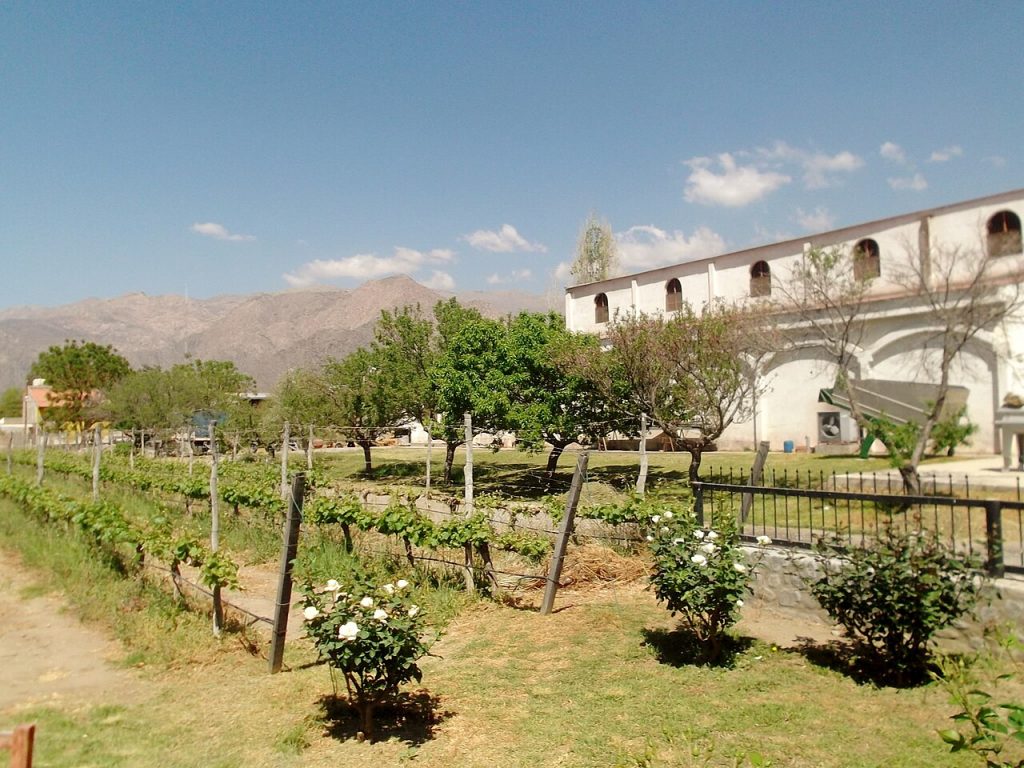
Quick Facts About Cafayate, Argentina
| Country | Argentina |
| Region | Salta Province, Calchaquí Valleys |
| Known For | Torrontés wine, high-altitude vineyards and the Quebrada de las Conchas |
| UNESCO Status | Not listed |
| Founded | 1840 |
| Best Time to Visit | March to May and September to November |
| Time Needed | Two to three days |
| Continent | South America |
Where Is Cafayate, Argentina?
Cafayate lies in the Calchaquí Valleys in the south of Salta Province, in northwestern Argentina. In fact, it sits about 189 kilometers by road from the city of Salta.
Moreover, the town stands at around 1,683 meters above sea level. As a result, its vineyards are among the highest in the world, and the air is clear and dry for most of the year.
Why Visit Cafayate, Argentina?
First of all, Cafayate is a paradise for wine lovers. Wine production is the main industry here, and many bodegas offer tours and tastings. In particular, the town is famous for Torrontés, a fragrant white wine.
In addition, the scenery is spectacular. Just north of town, the road to Salta passes through the Quebrada de las Conchas, a canyon of red rock towers and strange formations.
Finally, the town itself is charming and relaxed. Consequently, many travelers plan a short stop and end up staying several days.
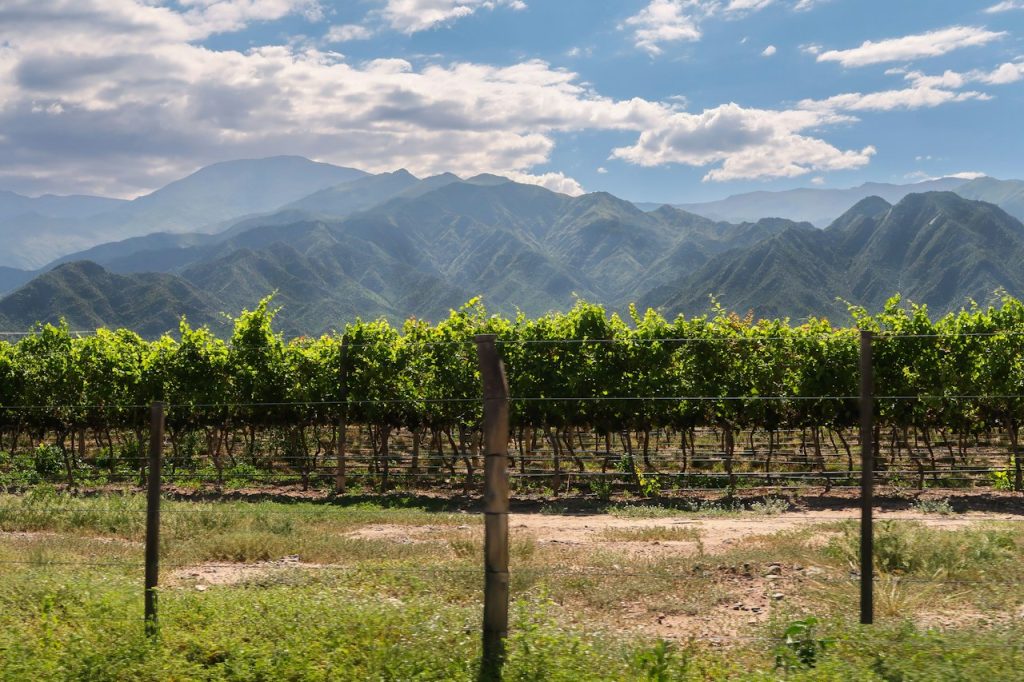
Exploring the Town of Cafayate
Cafayate is small and easy to explore on foot. Above all, most of the action centers on the main plaza.
The Main Plaza
The shady plaza is the heart of town. Around it, you will find cafes, wine shops, craft stalls and ice cream parlors. In the evening, it also becomes a lively meeting place for locals and visitors alike.
The Cathedral
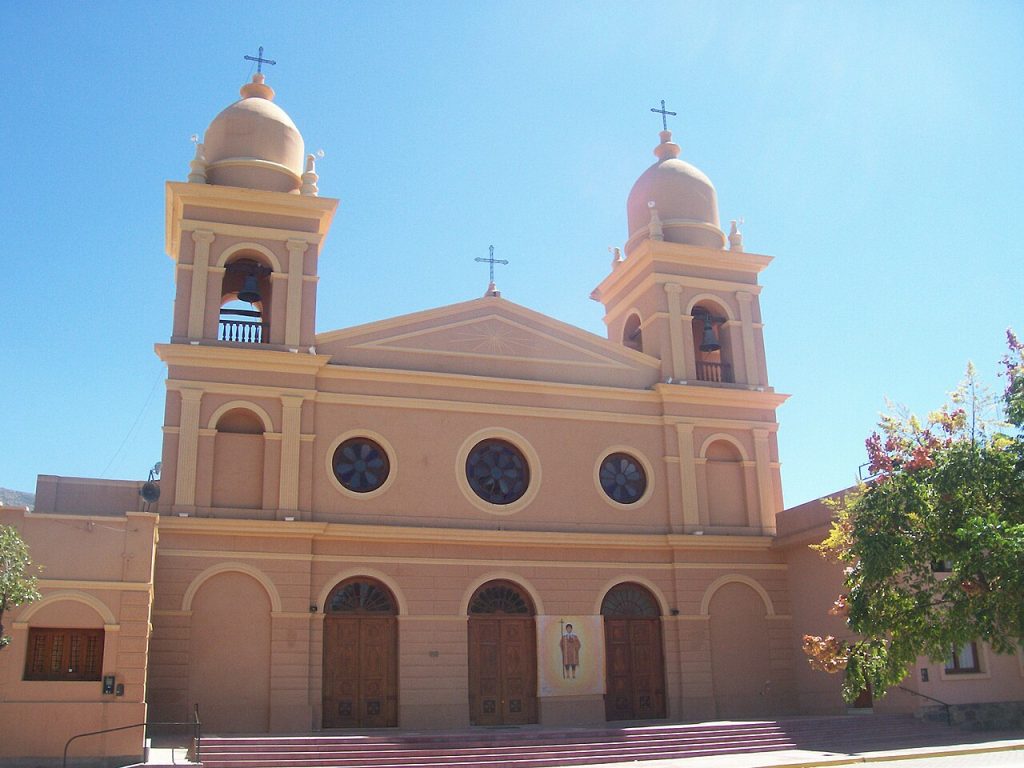
On one side of the plaza stands the Cathedral of Our Lady of the Rosary. Its pale facade and twin bell towers make it one of the most recognizable buildings in town. Therefore, it is a great spot for photos, especially in the late afternoon light.
Colonial Streets
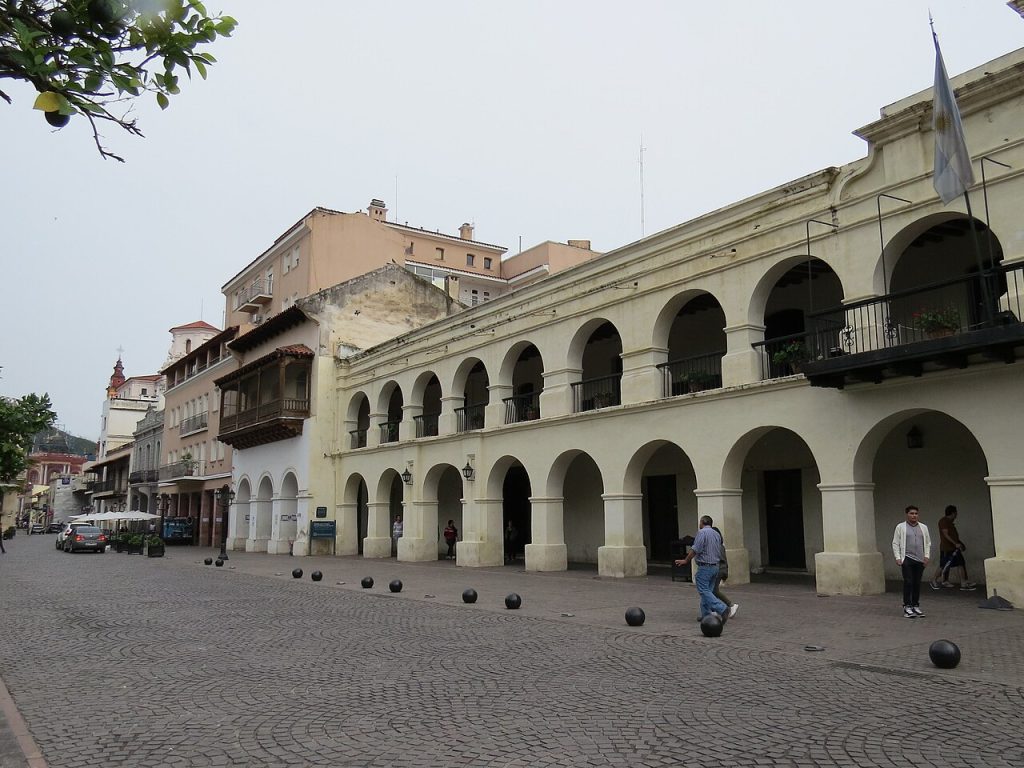
Around the plaza, low colonial buildings with arches and wooden doors line the streets. Meanwhile, the bare mountains rise just beyond the rooftops, so every street seems to end in a view.
Wine Tasting in Cafayate, Argentina
Wine is the reason many people come to Cafayate. Because the valleys receive less than 250 millimeters of rain a year, the climate is dry and sunny, which suits the grapes perfectly.
Torrontés is the star here. It is a white wine with a floral aroma, yet it usually tastes dry and fresh. Similarly, the region also produces bold red wines, especially Malbec and Tannat.
Many bodegas sit right on the edge of town, so you can walk or cycle between them. In fact, many wine cellars offer free guided tours. Some larger estates also have restaurants among the vines.
The Quebrada de las Conchas
The road between Salta and Cafayate is one of the most beautiful drives in Argentina. Specifically, National Route 68 follows the Conchas River through the Quebrada de las Conchas, also called the Quebrada de Cafayate.
Over the last two million years, tectonic movements and water have shaped the red rock into towers, arches and canyons. As a result, the landscape changes at every bend.
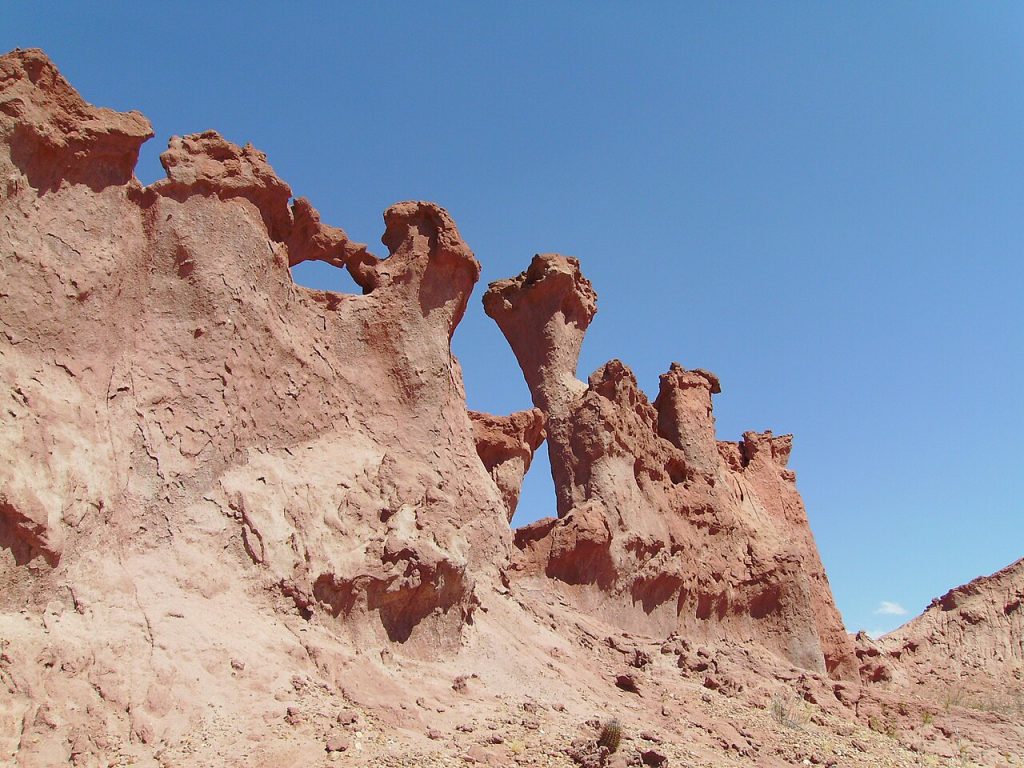
Garganta del Diablo
The Garganta del Diablo, or Devil’s Throat, is a narrow gorge where you can walk inside the rock walls. Once, it may have held a waterfall, when the climate here was much wetter.
The Amphitheater
Not far away, the Anfiteatro is a huge natural bowl of reddish rock. Because of its acoustics, musicians sometimes play inside it for visitors.
Other Formations
Along the way, look out for formations with names such as El Sapo, the toad, and Los Castillos, the castles. In addition, Los Médanos, about 7 kilometers from Cafayate, is a field of fine sand dunes.
Driving the Route
Allow plenty of time for the drive, since you will want to stop often. Alternatively, join a tour from Salta that stops at the main viewpoints.
Fossils and History
Interestingly for history fans, the area also holds fossils from the Cretaceous period, including dinosaur footprints. Furthermore, remains of an Inca road have been found close to the modern highway.
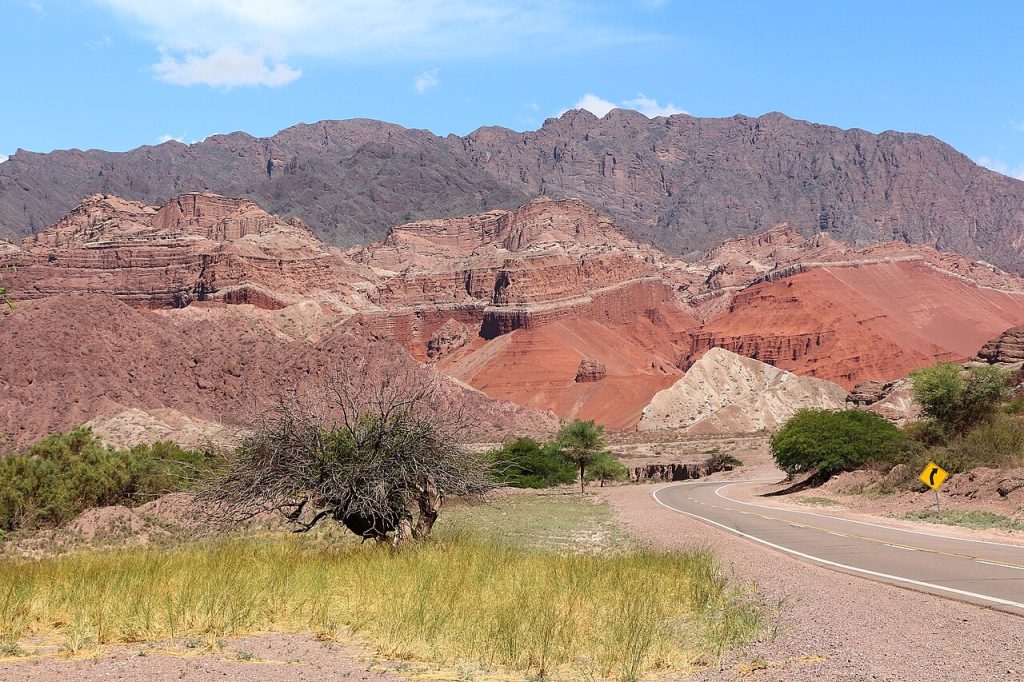
One Historical Fact About Cafayate, Argentina
Cafayate was officially founded in 1840 by Manuel Fernando de Aramburu, on the site of an old mission. Later, in 1863, the Cafayate Department was created. Over time, however, it was wine rather than politics that made the town famous.
How to Get to Cafayate, Argentina
Most travelers arrive from Salta, which has the nearest major airport.
- By bus: Regular buses run between Salta and Cafayate along the scenic Route 68.
- By car: Driving lets you stop at every viewpoint in the Quebrada de las Conchas. The road from Salta is paved.
- Via Route 40: National Route 40 links Cafayate with Cachi, but much of it is unpaved, so avoid it in the rainy season.
Best Time to Visit Cafayate, Argentina
Cafayate enjoys a mild, dry climate for most of the year. Even so, spring, from September to November, and autumn, from March to May, are especially pleasant. In autumn, the grape harvest also brings a festive atmosphere.
Summer, by contrast, can be hot during the day, and it is also the rainy season in the region. Winter days are usually sunny, although nights get cold.
Is Cafayate, Argentina Worth Visiting?
Yes, absolutely. Cafayate combines excellent wine, dramatic landscapes and a laid-back colonial town. Moreover, the drive through the Quebrada de las Conchas alone is worth the trip.
Whether you love wine, photography or simply slow travel, you will find plenty to enjoy. Therefore, it deserves a place on any trip to northern Argentina.
Final Thoughts
Cafayate is a town where the pace is slow and the views are endless. Taste Torrontés at a local bodega, wander the plaza at sunset and drive through the red canyons of the Quebrada. Above all, take your time and enjoy the valley’s warm, relaxed spirit. If you are exploring more of South America, you may also enjoy our guides to Humahuaca and Colonia del Sacramento.
Image Credits
Unsplash
- Vineyard in Cafayate: Photo by Hector Ramon Perez on Unsplash (Unsplash License)
Wikimedia Commons
- Vineyard and Bodega in Cafayate: Photo by Maidana Alvaro via Wikimedia Commons (CC BY-SA 4.0)
- Cathedral of Our Lady of the Rosary: Photo by Robertoe via Wikimedia Commons (CC BY-SA 4.0)
- Colonial Building in Cafayate: Photo by Paula Kindsvater via Wikimedia Commons (CC BY-SA 4.0)
- Quebrada de las Conchas: Photo by Littletroll via Wikimedia Commons (CC BY-SA 4.0)
- Red Hills of the Quebrada de las Conchas: Photo by Bernard Gagnon via Wikimedia Commons (CC BY-SA 4.0)