Where the Namib Desert meets the cold Atlantic, a small town of colorful colonial houses clings to bare granite hills. A stone church crowns the rocks, and just outside town, abandoned mansions slowly fill with sand. This is Lüderitz, one of the most unusual towns in Africa. In this guide, you will learn what to see, how to get there and when to visit.
Quick Facts About Lüderitz, Namibia
| Country | Namibia |
| Region | ǁKaras Region, southwest coast |
| Known For | Colonial architecture, the Felsenkirche and the Kolmanskop ghost town |
| UNESCO Status | Not listed |
| Founded | 1883 |
| Best Time to Visit | October to April |
| Time Needed | Two days |
| Continent | Africa |
Where Is Lüderitz, Namibia?
Lüderitz lies on the southwest coast of Namibia, in the ǁKaras Region. In fact, it sits on a rocky bay at the edge of the Namib Desert.
In addition, the B4 road links the town to Keetmanshoop and the interior. Because the desert surrounds it on every side, it feels wonderfully remote.
Why Visit Lüderitz, Namibia?
First of all, Lüderitz is unlike any other town in southern Africa. Its colonial buildings, some in Art Nouveau style, look surprisingly European against the desert backdrop.
In addition, it is the gateway to Kolmanskop, a famous ghost town where sand has invaded the old houses. Therefore, it is a dream for photographers.
Finally, the coast is wild and full of wildlife. For example, seals, penguins and flamingos live along the shore.
Exploring the Town of Lüderitz
The town center is small and easy to explore on foot. Above all, look up at the colorful facades and decorative details.
The Felsenkirche
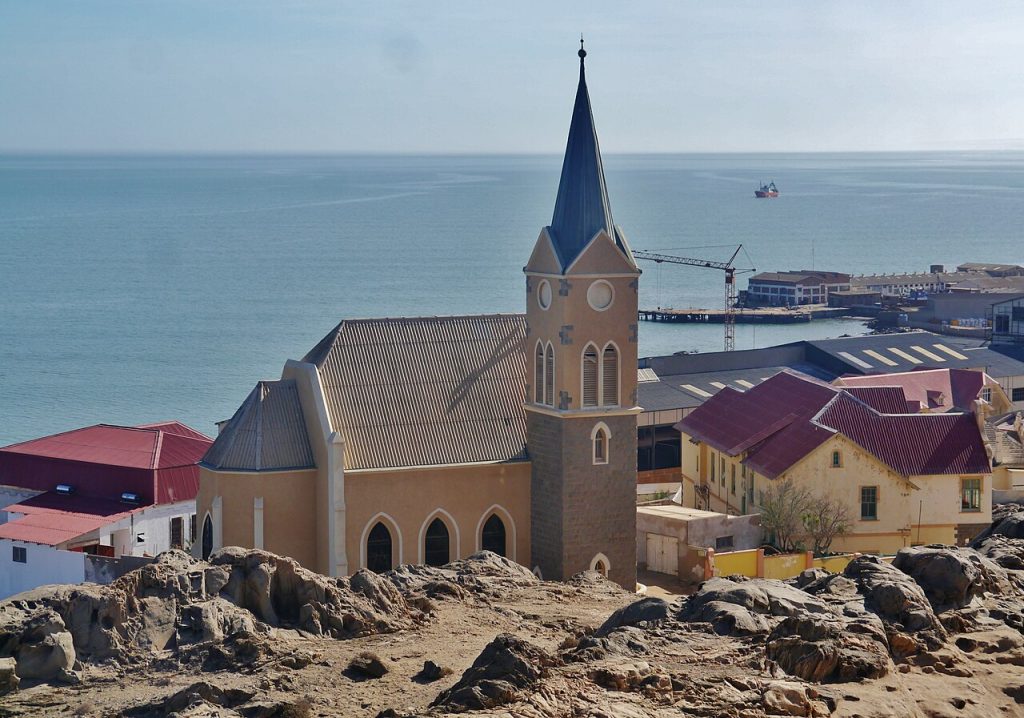
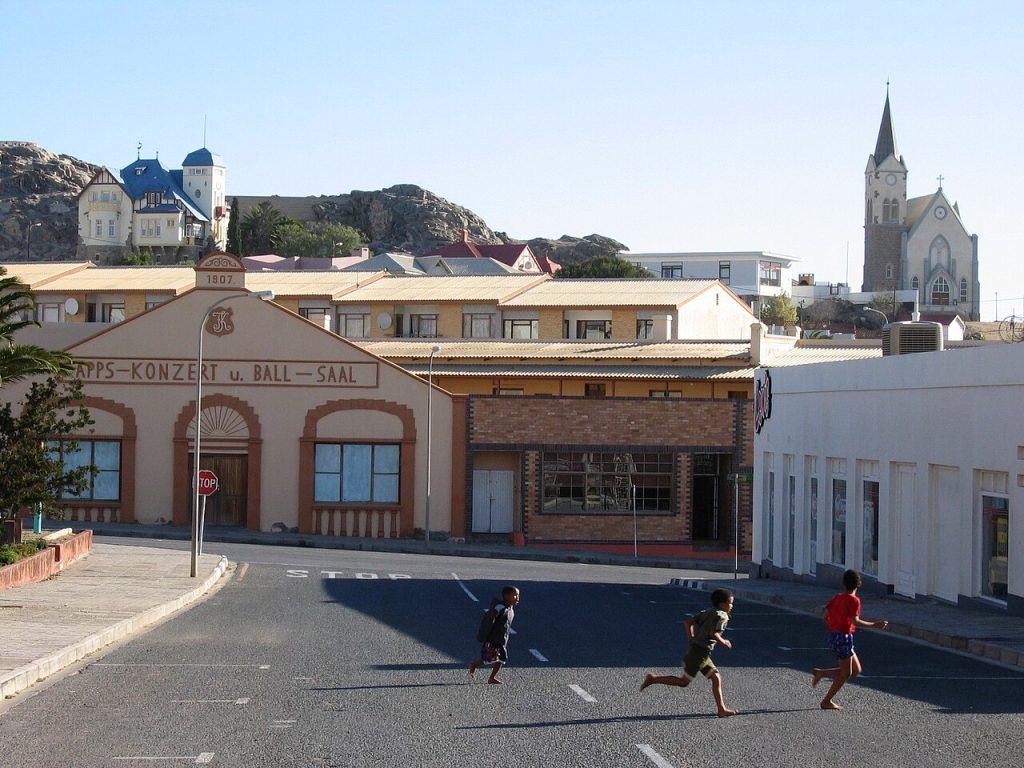
The Felsenkirche, or Church on the Rocks, stands on a granite hill above town. In fact, this Lutheran church was consecrated in 1912. Since 1978, it has also been a national monument.
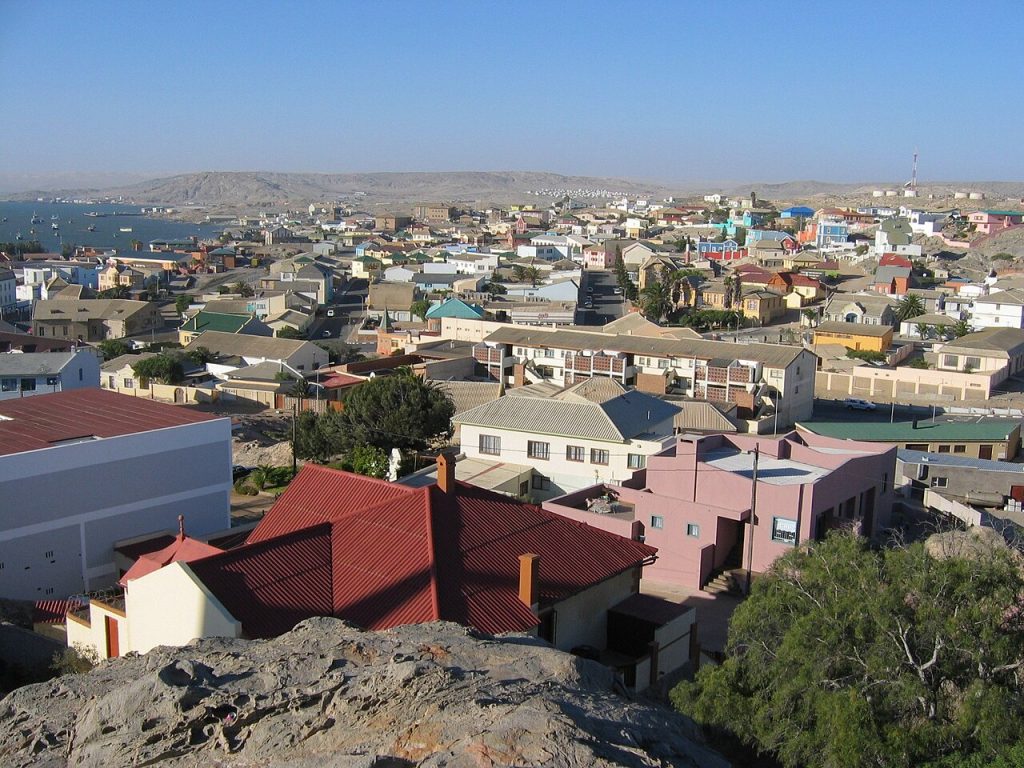
From the hill, you get wide views over the town and the bay. Especially in the late afternoon, the light on the colorful houses is beautiful.
Colonial Buildings
Lüderitz is known for its colonial architecture. For instance, the Goerke Haus, built between 1909 and 1911, is one of the most striking buildings in town. Meanwhile, many other houses show playful Art Nouveau touches.
The Harbor
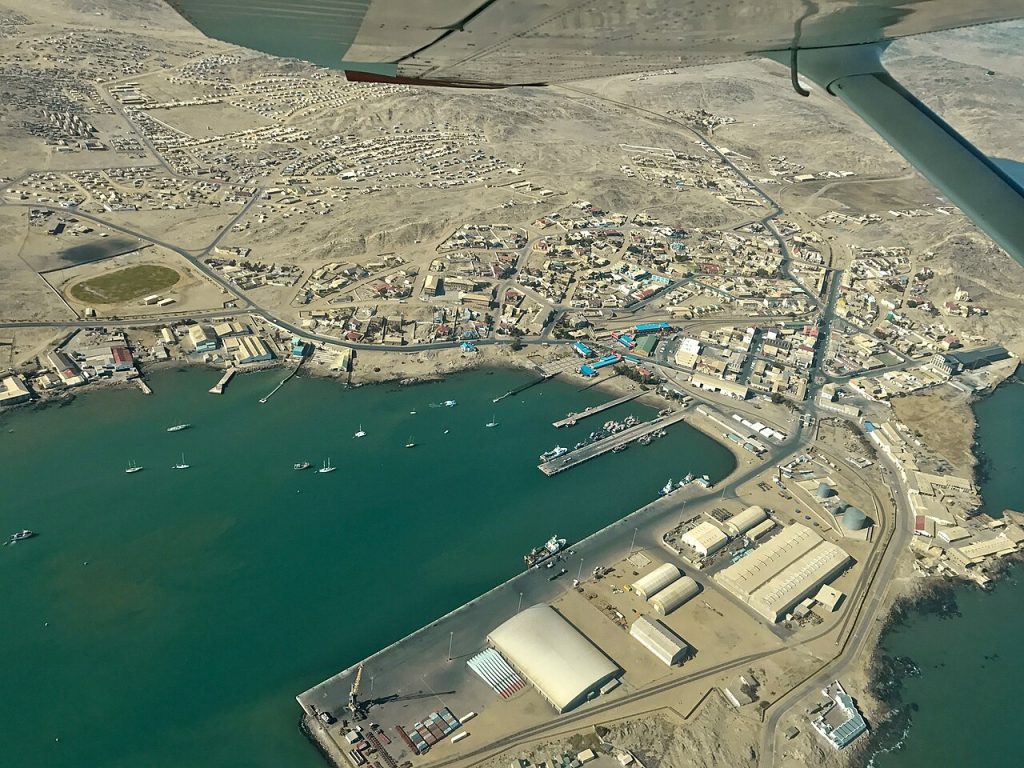
The harbor is the working heart of the town. Here, fishing boats come and go, and the views across the rugged bay are dramatic.
Kolmanskop Ghost Town
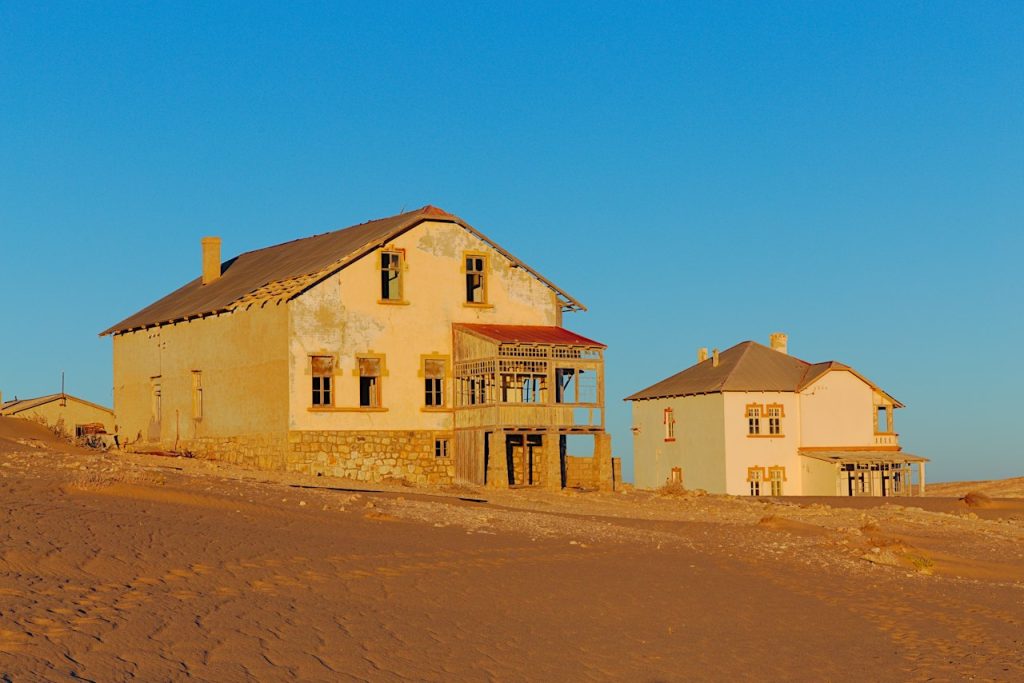
Just outside Lüderitz lies Kolmanskop, one of the most famous ghost towns in the world. Around 1908, the discovery of diamonds brought a rush of prosperity to the area, and the mining town of Kolmanskop was built.
A Town Swallowed by Sand
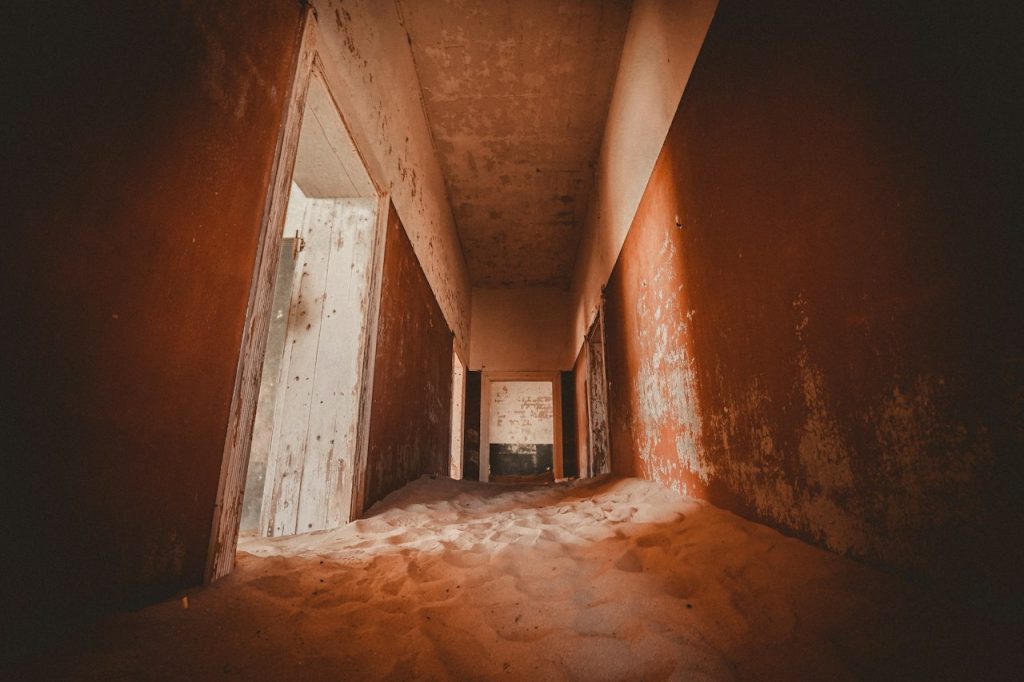
Today, Kolmanskop is abandoned, and the dunes are slowly burying it. As a result, sand pours through doorways and fills entire rooms. In fact, walking through the empty houses feels eerie and unforgettable.
Photography Tips
In general, morning and late afternoon light is best for photos. Also, bring a wide-angle lens to capture the sand-filled rooms.
Visiting Kolmanskop
Kolmanskop lies in a restricted diamond area, so visits are usually arranged through guided tours or permits. Therefore, check the latest rules before you go.
History and Wildlife Around Lüderitz
The area around the town holds both difficult history and natural wonders.
Shark Island
Shark Island has a painful past. Between 1905 and 1907, a German concentration camp there held Herero and Nama people during the Herero Wars. Between 1,000 and 3,000 people died. Today, it is a place for remembrance and reflection.
Wildlife and Birds
Indeed, the coastline is an Important Bird Area. Moreover, seals, penguins, flamingos and ostriches can all be found in the region.
The Lüderitz Speed Challenge
Each year in October and November, the Lüderitz Speed Challenge brings speed sailors to the town’s windy waters. Consequently, it is an exciting time to visit.
One Historical Fact About Lüderitz, Namibia
The Portuguese explorer Bartolomeu Dias reached the bay in 1487 and erected a stone cross on the southern peninsula. Much later, in 1883, Heinrich Vogelsang bought the area on behalf of Adolf Lüderitz, a merchant from Bremen. Afterward, the town was named after him.
How to Get to Lüderitz, Namibia
Lüderitz is remote, so plan your trip carefully.
- By car: The B4 road connects Lüderitz with Keetmanshoop. Along the way, you cross a long stretch of desert.
- By air: Lüderitz has a small airport with limited domestic flights.
- By tour: Many visitors include Lüderitz in a self-drive or guided tour of southern Namibia.
Best Time to Visit Lüderitz, Namibia
Lüderitz has a cold desert climate, with only about 17 millimeters of rain a year. However, it is often windy, cool and overcast because of the cold South Atlantic current.
Generally, the warmer months from October to April are the most pleasant time to visit. Even so, bring a warm jacket, since the wind can be strong in any season.
Is Lüderitz, Namibia Worth Visiting?
Yes, absolutely. Lüderitz combines colonial architecture, a haunting ghost town and a wild, beautiful coast. Moreover, it offers a side of Namibia that many travelers miss.
Although it takes effort to reach, the trip is rewarding. Therefore, it deserves a place on any journey through southern Namibia.
Final Thoughts
Lüderitz is a town of contrasts, where the desert meets the sea. Climb to the Felsenkirche, wander the colorful streets and explore the sand-filled houses of Kolmanskop. Above all, take time to reflect on the region’s complex history. If you are exploring more of Africa, you may also enjoy our guides to Graaff-Reinet and Essaouira.
Image Credits
Unsplash
- Houses at Kolmanskop: Photo by Max Murauer on Unsplash (Unsplash License)
- Sand-Filled Hallway at Kolmanskop: Photo by Eric Ward on Unsplash (Unsplash License)
Wikimedia Commons
- Felsenkirche: Photo by Zairon via Wikimedia Commons (CC BY-SA 4.0)
- View From the Felsenkirche: Photo by Harald Süpfle via Wikimedia Commons (CC BY-SA 2.5)
- Lüderitz From Above: Photo by Hp.Baumeler via Wikimedia Commons (CC BY-SA 4.0)
- Felsenkirche and Goerke Haus: Photo by Harald Süpfle via Wikimedia Commons (CC BY-SA 2.5)